At Dorothea Dix Park in Raleigh, North Carolina, more than 900 people lie buried where the state's first psychiatric hospital once stood. For most of the cemetery's history they had no names on their graves — only a marble post and a number, because no one came to claim them.
On a wooded slope at Dorothea Dix Park in Raleigh, North Carolina, more than 900 people are buried, and for most of the cemetery's history almost none of them had a name on the grave. Just a marble post and a stamped number.
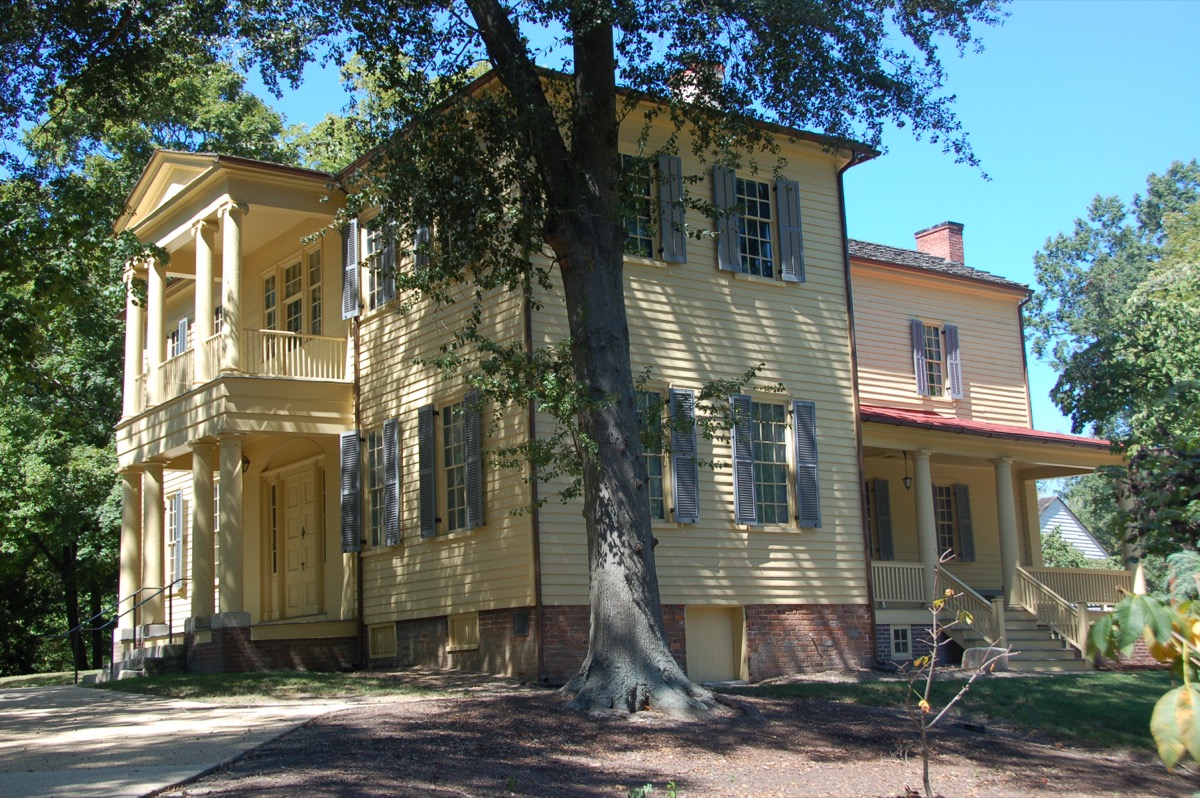
The ground here belonged to North Carolina's first psychiatric hospital, which opened in 1856 on a hill named for Dorothea Dix's father. Dix herself refused to let them put her name on it while she lived. The cemetery took the hospital's unclaimed dead from 1859 until 1970. These were patients whose families never came for the body, too ashamed of mental illness to put their own name on the stone. So the markers got numbers instead. The dead here were made anonymous on purpose, and that, more than any reported scream, is the thing that sits wrong with you.
People do report the screams. Local accounts describe hearing the cries of patients near the old graveyard at night, drifting up from the slope after dark. No named witness has ever stood behind the story, though. It lives in roundup lists, not in any record, and it always has.
What the record holds is worse, because it can be checked. One of the numbered graves belongs to Eli Hill. He had been enslaved, escaped to Union-held New Bern in 1864, and enlisted as a drummer in Company F of the 37th Regiment, U.S. Colored Troops. After the war he was admitted to Dix in 1870, and he died there in 1877. For more than a century, his grave said nothing about any of it. He was a number on a post like the rest of them. Members of the Lumbee tribe are buried in the same ground. So are hundreds more no one has been able to identify at all.
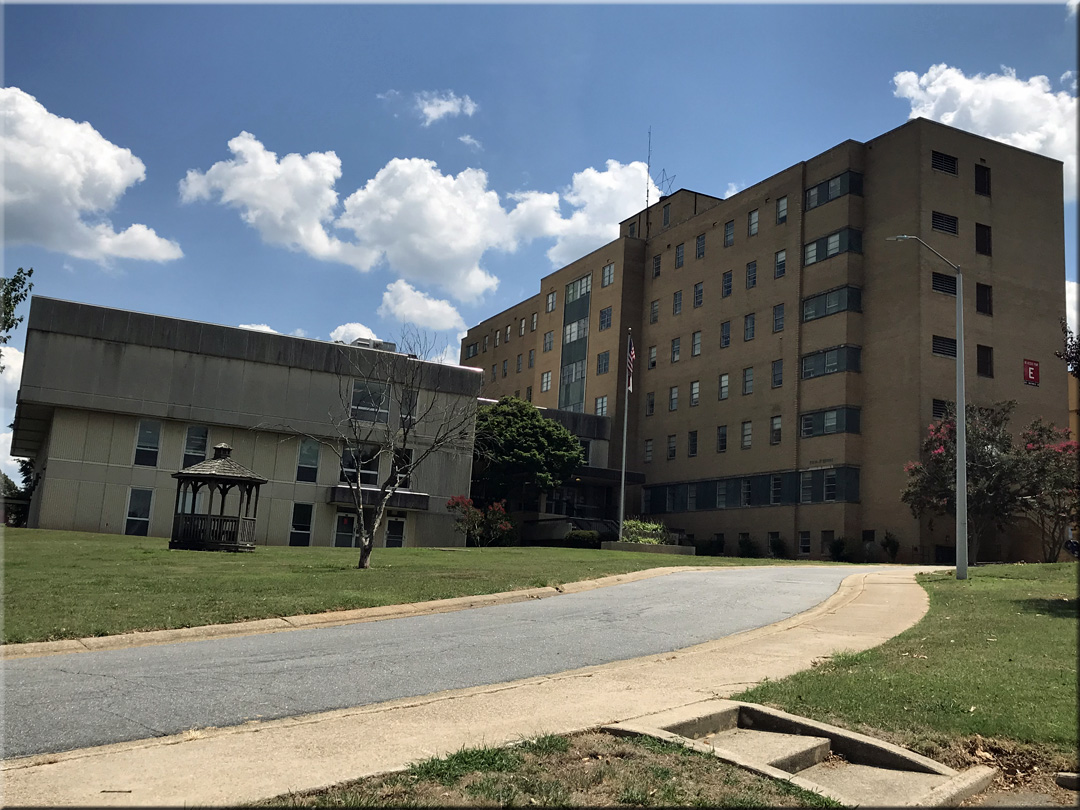
The hospital ran for 156 years. At its peak it sprawled across 282 buildings and held thousands of patients, and it kept the people no one would claim, in life and after. It finally closed in 2012, moving its last patients to a hospital in Butner. In 2015 the City of Raleigh bought the remaining 308 acres and turned the grounds into its largest public park. Families picnic now on the same slope.
The graves remain. Beginning in 1991, restoration work matched names to nearly 800 of the numbered posts, pulling the people the stigma had erased back out of anonymity one post at a time. The work isn't finished. Hundreds of them are a number yet.