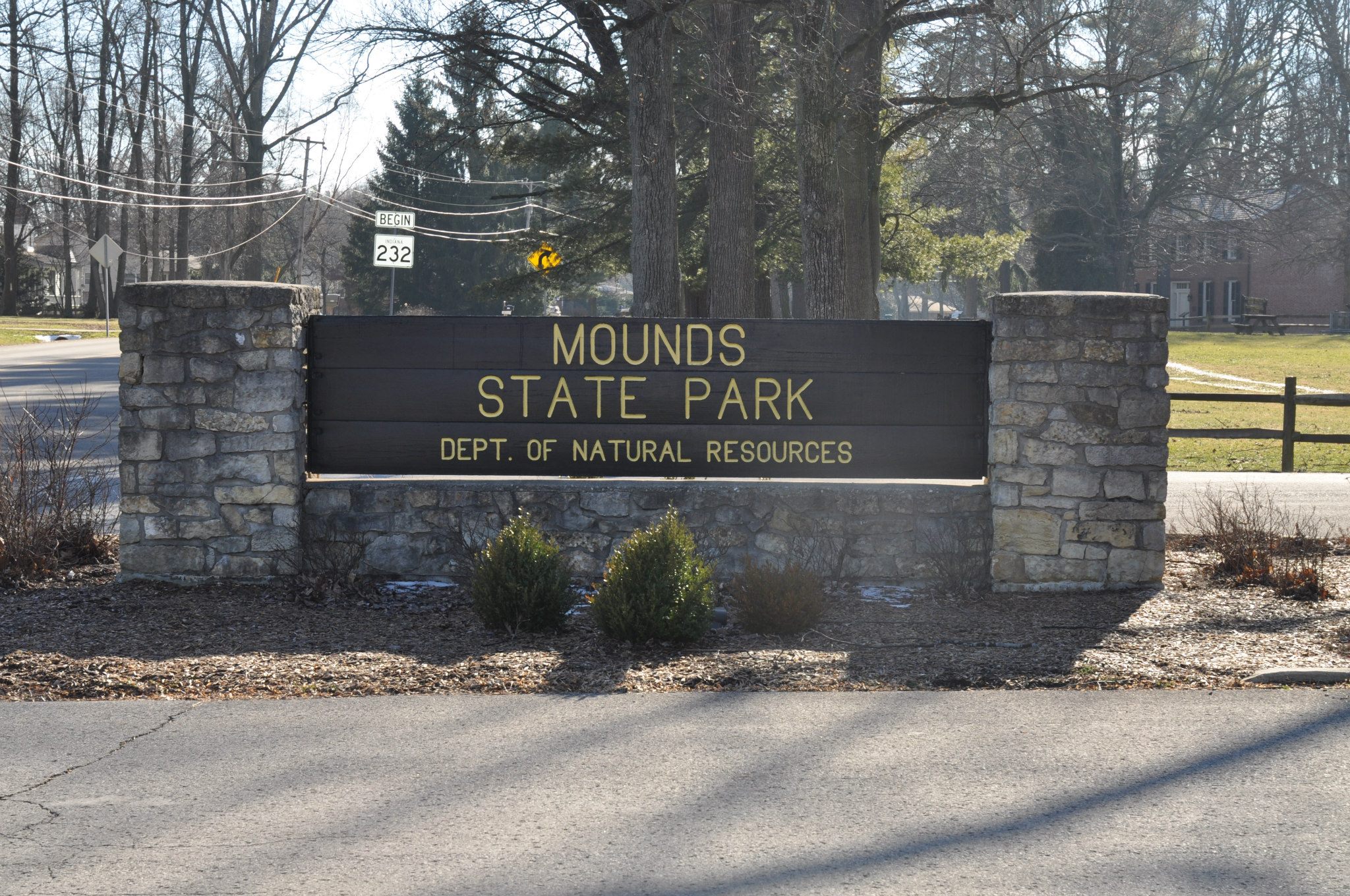
At Mounds State Park near Anderson, Indiana, people keep meeting little gray people in the woods around the ancient earthworks. The Lenape called them Pukwudgies. One man met one at age 10 in 1927 and spent his whole life looking for the rest.
At Mounds State Park near Anderson, Indiana, people keep meeting little gray people in the woods. The Lenape who lived on this land called them Pukwudgies, and described them the same way for generations: two to three feet tall, gray smooth skin, oversized noses and ears, able to turn invisible and lure a hiker off the trail.
In 1927, a 10-year-old named Paul Startzman was hiking the park alone when he said he met one. He described "a little man half his size" with "dull blonde hair that covered his head like a helmet." Most kids would have let that go. Startzman didn't. He grew up to be an amateur archaeologist and spent the rest of his life chasing the little people, eventually writing a book about it called The Pukwudgies of Indiana.
He wasn't the only one to report them. An Anderson woman known only as Eloise H. said little people approached her late in life, curious, speaking in high-pitched voices in a language she couldn't understand. They didn't threaten her. They just seemed interested in her, the way you'd be interested in something that wandered into your yard.
The folklore is rooted in the oral tradition of the Lenape, who lived here long before the state existed, and the Indiana Historical Society took it seriously enough to publish a piece on it. In 2009, a group out of Irvington ran an organized search of the park. The local experts who came along described the creatures the same way the old stories do, and added one detail of their own: that they were "always dressed in blue."
The land itself is old in a way that makes the stories sit differently. Mounds holds ten earthworks built by the Adena and later the Hopewell peoples, raised between roughly 160 BCE and 50 CE. The largest, the Great Mound, runs about 390 feet across, ringed by an embankment nine feet high. Its enclosure marks the spot where the sun sets on the summer solstice. The people who built it were gathering here to watch the sky more than 2,000 years ago, and they chose this exact ground to do it.
The Lenape were forced out of Indiana around 1818. The earthworks stayed. And by the accounts people keep bringing back from the trees, so did the little gray people who were here first. The park now runs Pukwudgie hunts after dark, half daring you to find one, half quietly conceding that someone already has.