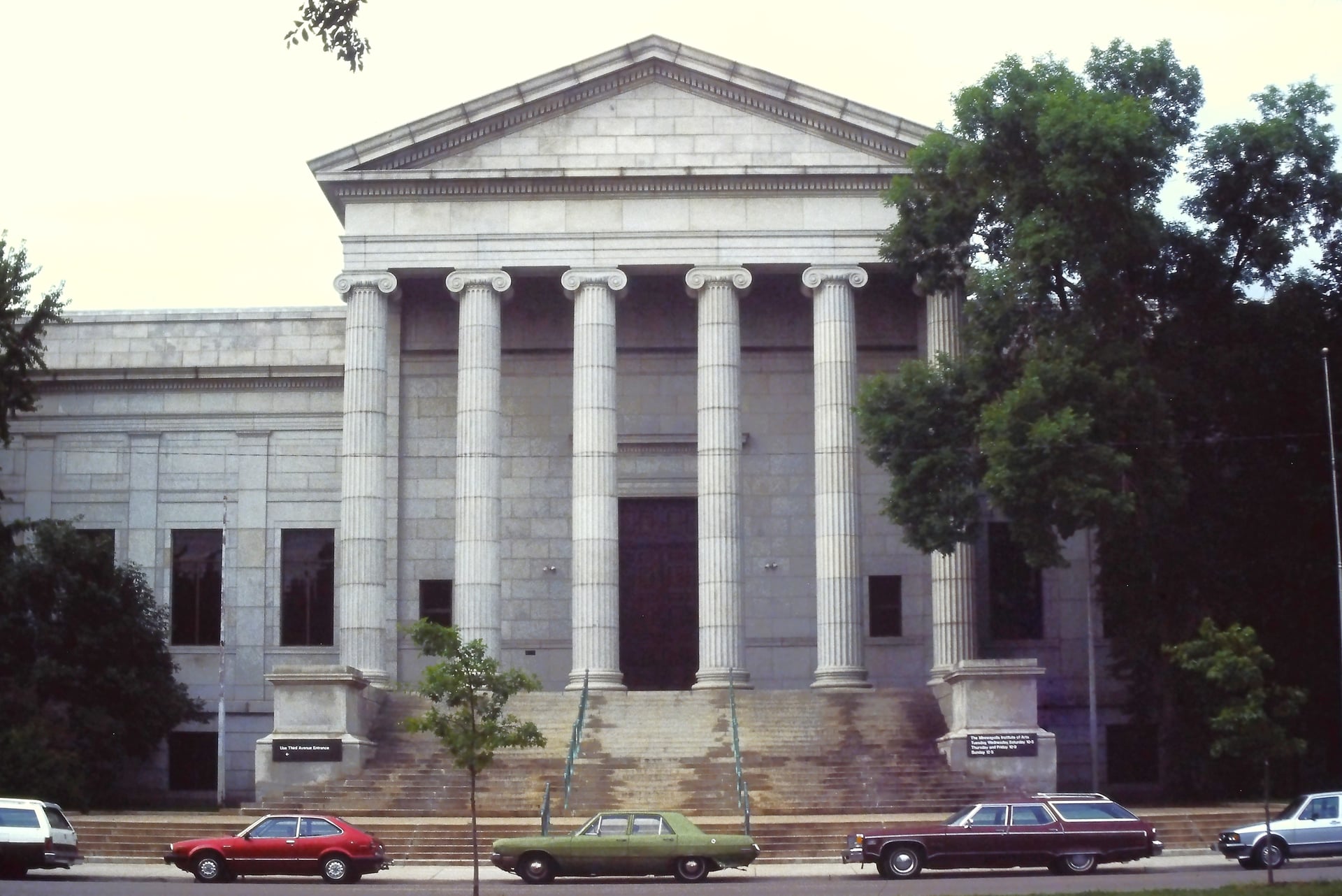
The Minneapolis Institute of Art gathered the ghost stories its guards traded for decades and built them into an official tour. The worst spot is a colonial bedroom salvaged from Connecticut, where visitors feel a hand close around theirs.
Most museums hush up their ghosts. The Minneapolis Institute of Art put its on the audio tour. Mia gathered the stories its night guards and staff had traded for decades, picked the best of them, and assembled a free guide called "Haunted Mia" — built around graveyard-shift accounts, with its two most haunted rooms filmed as 360-degree videos you can stand inside.
The worst of those rooms isn't an exhibit about an old house. It's an actual old house. The Connecticut Room holds the paneling, fireplace, and contents of a mid-18th-century colonial home from near New Haven, reassembled on the third floor — and staff call it the most haunted spot in the entire building. Visitors report tugs on their coats, cold spots, the sense of being unwelcome, and a hand closing around their own. A guard once found every shade drawn shut around the antique bed. Another witness described a tall, shadowy figure standing in the doorway.
Down the hall is the Tudor Room, the first period room Mia ever installed, back in 1923, with oak paneling dating to around 1600 — the earliest surviving Elizabethan room in any American art museum. In the spring of 2009, a janitorial worker cleaning a fountain just outside it heard a door open and footsteps cross the room. He assumed it was a guard, then realized no one had walked out — and that there were no guards on that floor that night.
The hauntings cluster up there, on the third floor among the salvaged rooms, but the strangest account didn't happen upstairs at all. A security guard working the late shift in the basement control room fell asleep at the monitors and woke to insistent tapping on the window. Standing on the other side of the glass was a woman in a white dress, wagging her finger at him. Then she was gone.
Staff have a guess about who she is. There's a portrait in the collection — "Mrs. T. in Cream Silk, No. 2," by George Bellows — of an older woman in pale silk, and some of them think that's her. No record names her, links her to any death, or explains why she walks the halls of this 1915 Beaux-Arts building. It's a theory the guards tell each other on the night shift, which is exactly where this museum found everything else it now hands you on the way in.