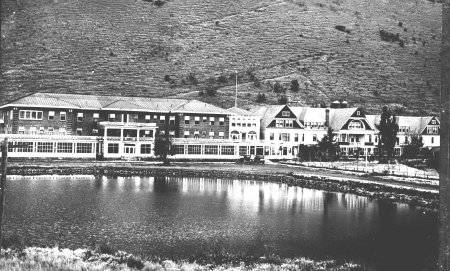
The Hot Lake Hotel in eastern Oregon was built on a healing spring and run as a surgical sanatorium. In the 1970s its live-in owners kept hearing a woman scream from the empty operating floor above them. It's a soaking resort again today.
In the 1970s, the people living on the second floor of the Hot Lake Hotel in eastern Oregon kept hearing a woman scream through the ceiling. Owner Donna Pattee, her husband, and their caretaker Richard Owens shared that floor, and the screaming and crying came down from the surgery ward above them, where no one was living at all. They weren't tourists who had come looking for a story. They had bought the place and were trying to live in it, and they could not get the floor above them to stay quiet.
The third floor had been the surgery ward. When Dr. William Phy ran the building as a sanatorium, the top floor held the operating room, with an observation deck built above it so others could watch the work being done below, and 60 beds for surgical patients. It was the floor where the cutting was done. Later, when the building became an asylum, the same floor held the ward. Decades after Phy, it was the floor that screamed.
Owens reported more than the sound. He watched a heavy rocking chair travel across the bare boards on its own. The story most people tell about the third floor, though, is the piano: a player piano that starts up by itself, said, as the legend goes, to have belonged to the wife of Robert E. Lee, though no one can explain how it would ever have reached eastern Oregon.
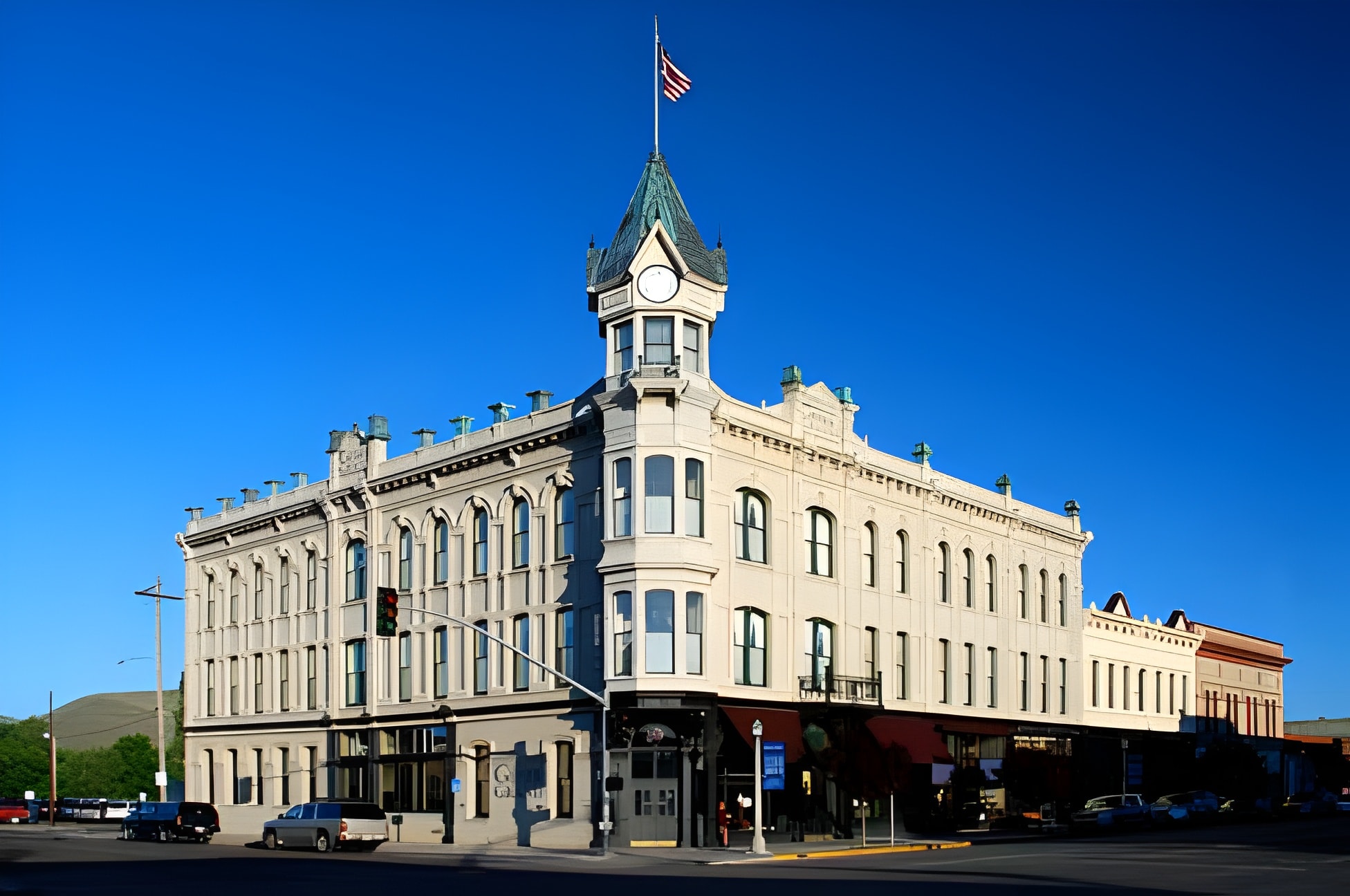
The place was built to heal. It opened on a hot spring the Nez Perce had used for generations, and by 1906 it was a brick resort marketed as the Mayo Clinic of the West and the Town Under One Roof, the first commercial building in the world heated by the geothermal water beneath it. A fire took the west wing in 1934. After that the building cycled through everything: a nurses' school, a flight school, a nursing home, an asylum. Then it sat abandoned for more than 15 years, drawing vandals, and people began reporting faces in the upper windows, patients from the asylum years still looking out. By 2001 the ruin was known well enough that a network ghost show came to film it.
It's a resort again now, restored in the 2000s, with soaking pools fed by that same spring and a pub downstairs. Guests soak there today, a few floors below the old surgery ward. The water still comes up at the same temperature it always has. What people came to Hot Lake for, in the beginning, was the healing. The screaming comes from the floor where they did it.