The rocking chair in John Henry Rutledge's room at Hampton Plantation, South Carolina, kept turning up by the window on its own. He shot himself there at 21, in 1830, over a marriage his family refused. The chair rocked until they finally removed it.
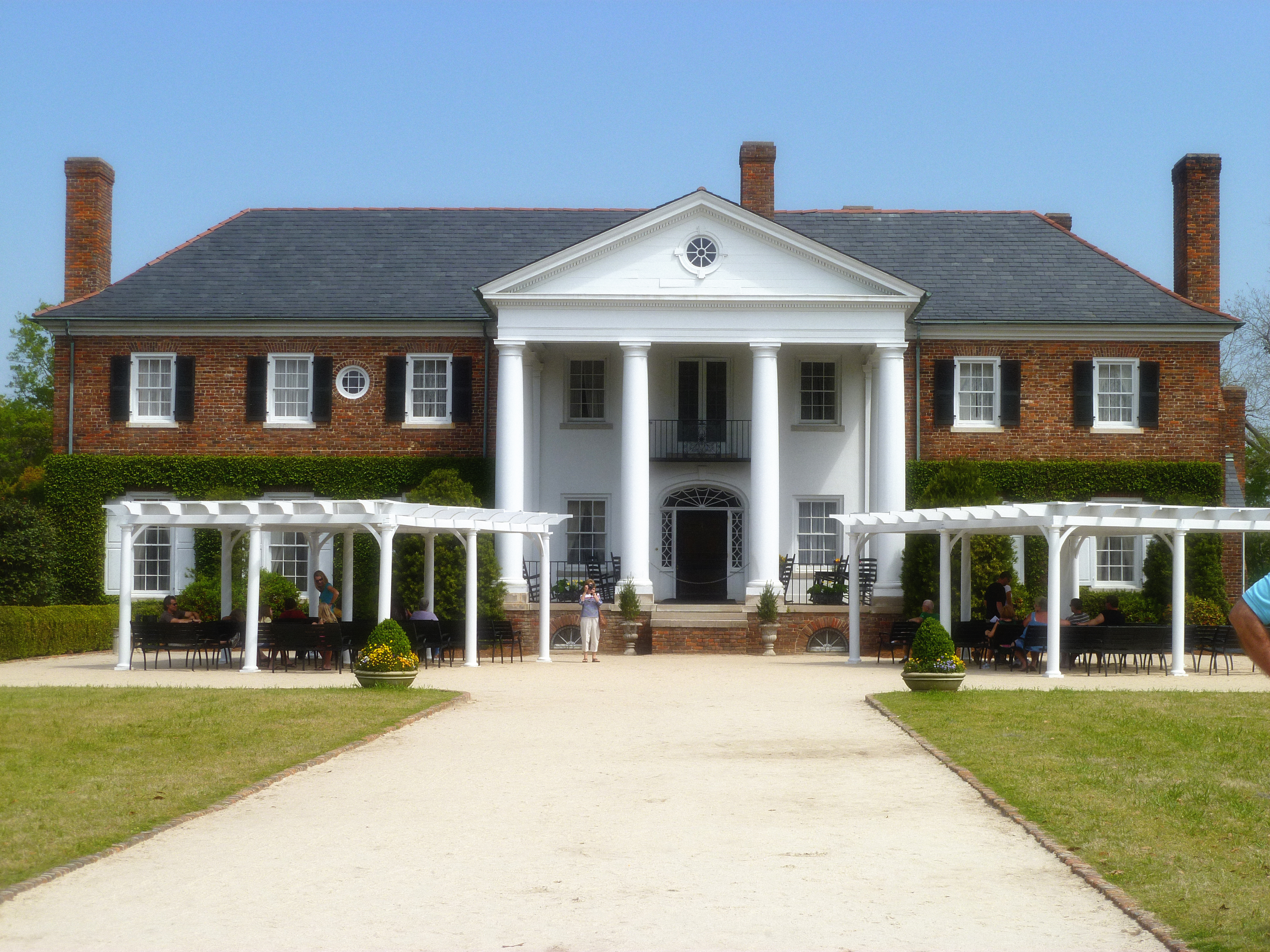
Hampton Plantation stands in the Lowcountry near McClellanville, South Carolina, a rice planter's house fronted by eight white columns, with rocking chairs lined up on the porch. One chair, though, belongs upstairs, in a room the family finally emptied. For years it would not stay still. It was found by the window, rocking on its own, again and again, until it was carried out of the house for good.
The room was John Henry Rutledge's. He was 21, heir to one of South Carolina's oldest names, and in love with the daughter of a Georgetown pharmacist. His mother judged the girl beneath the family and refused the match outright. Her father refused it too, for the opposite reason. He could not, the pharmacist said, allow his child to marry into a family and a community where she would never be accepted.
Refused on both sides, John Henry sank into a depression and spent his days in that chair, rocking by the window. His mother and grandmother threw a ball at Hampton to steer him toward a suitable bride from the right families. While the party filled the rooms downstairs, he went upstairs and shot himself. He did not die at once. He survived the wound and lingered about two days, long enough to reconcile with his family, before he died in the spring of 1830. They buried him in his mother's garden beside the house, the only Rutledge not laid to rest in a churchyard.
"Many claim his spirit never left the upstairs room," reads the account kept at the village museum down the road. The chair was the sign of it. It kept being found back at the glass, rocking, no matter how often the house was set straight, and the rocking is the one detail every telling of the story agrees on. In the end it was the reason the chair was taken out of the house altogether.
The story lasted because of Sue Alston. She was the daughter of people the Rutledges had enslaved, and she lived nearly her whole life at Hampton, along the South Santee River, and was said to have lived to nearly 110. In the 1970s a writer named Nancy Rhyne sat her down with a tape recorder and turned the interviews into a book, John Henry Rutledge: The Ghost of Hampton Plantation, which she called not a history but a parable. It was Sue Alston who carried the heir's ghost into the century. His story survived because the daughter of the people his family had enslaved kept it, and told it, for him.