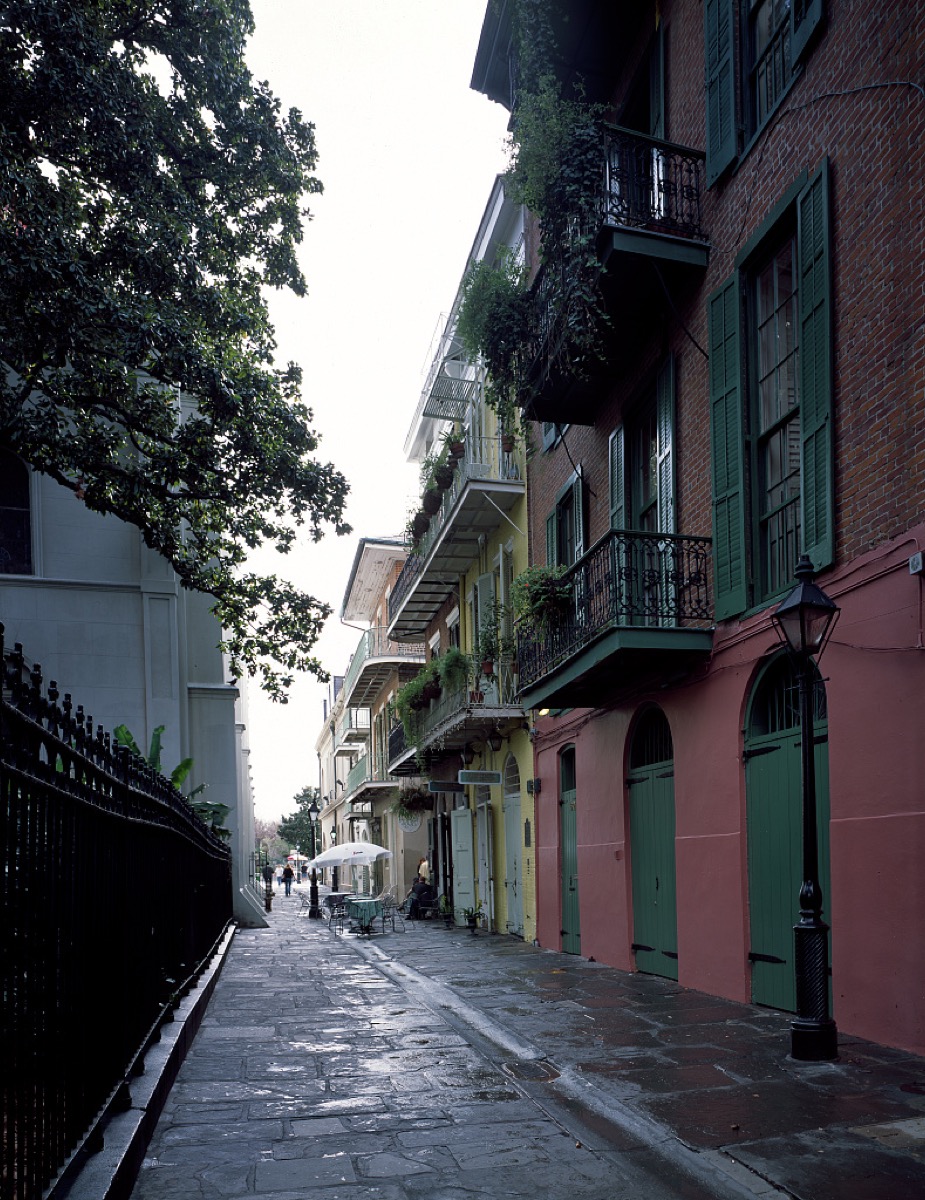
At Faulkner House Books in New Orleans, customers catch pipe tobacco in a shop where no one smokes. William Faulkner finished his first novel in these rooms in 1925. The owner says his ghost kept the man's other vices too.
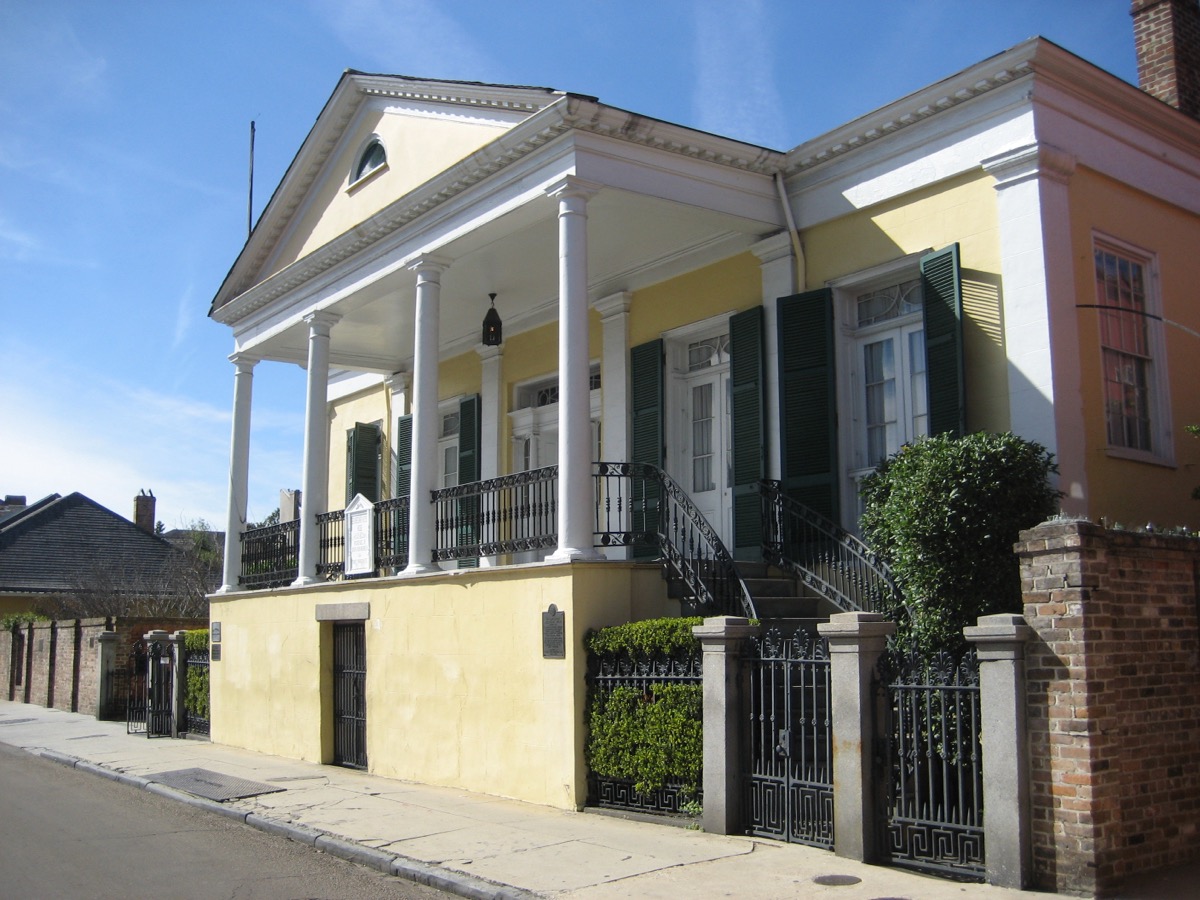
Faulkner House Books sits in two ground-floor rooms at 624 Pirate's Alley in the New Orleans French Quarter, and people who work there keep smelling pipe tobacco. There's no smoker in the shop. The smell turns up anyway, most often on quiet afternoons near the writing desk, and then it's gone.
William Faulkner kept a pipe going through most of his waking hours. In 1925 he was 27, unpublished, and broke, living in the first-floor apartment here with the artist and silversmith William Spratling. The room gave straight onto the alley beside the St. Louis Cathedral garden. He stayed about six months. In that time he published essays in the local literary magazine The Double Dealer, wrote character sketches for the Times-Picayune, and drafted his first novel, "Soldiers' Pay." He wrote home that April: "I have got a dog-gone good novel." He was right. It came out the next year.
Spratling and Faulkner also put together a satirical little book together, "Sherwood Anderson and Other Famous Creoles," needling the writers circling New Orleans at the time. Then the six months ended and Faulkner moved on.
The townhouse went up in 1837. Decades after he left, attorney Joseph DeSalvo and his wife Rosemary James bought the building, restored it, and opened it as a bookstore named for him in the late 1980s. In 1993 the address was named a Literary Landmark in his honor. The desk in the store is said to be the one he wrote at. People report seeing him still seated there.
When the renovated house took its first guest, the smell was already waiting. Joan Williams, a writer Faulkner had mentored, stayed the night and reported the same pipe tobacco drifting through rooms where no one had lit one. Since then guests have caught it for themselves, threading through the mahogany shelves on a slow afternoon, then thinning out before anyone can place where it came from.
That part of the haunting is gentle, and the shop tells it openly.
The other part it keeps off the website. By James's own account, the women who work the register tend to feel a touch from something they can't see, a hand on the arm, a brush at the waist, the flirtatious graze of a cheek. She traces it to the man himself. "Faulkner was a terrible lecher," she has said. Pretty young women, she explains, get the worst of it.
The pipe smoke was a habit. So, it seems, was the rest.