The Eloise Asylum in Westland, Michigan was once a self-contained city of 10,000 patients. Investigators keep catching what shouldn't be there — a woman humming on an empty third floor, shadows that peek from doorways. Behind it sit 7,100 numbered graves.
The Eloise Asylum sits at 30712 Michigan Avenue in Westland, Michigan, in the old D Building, and the people who investigate it keep catching things they didn't hear at the time. On August 31, 2018, a recorder running on the empty third floor picked up a woman humming a song. The investigator standing there, alone, heard nothing. It was only on playback. The same floor that night gave up a second voice, twice asking "What's that?" — inaudible in the room, clear on the tape.
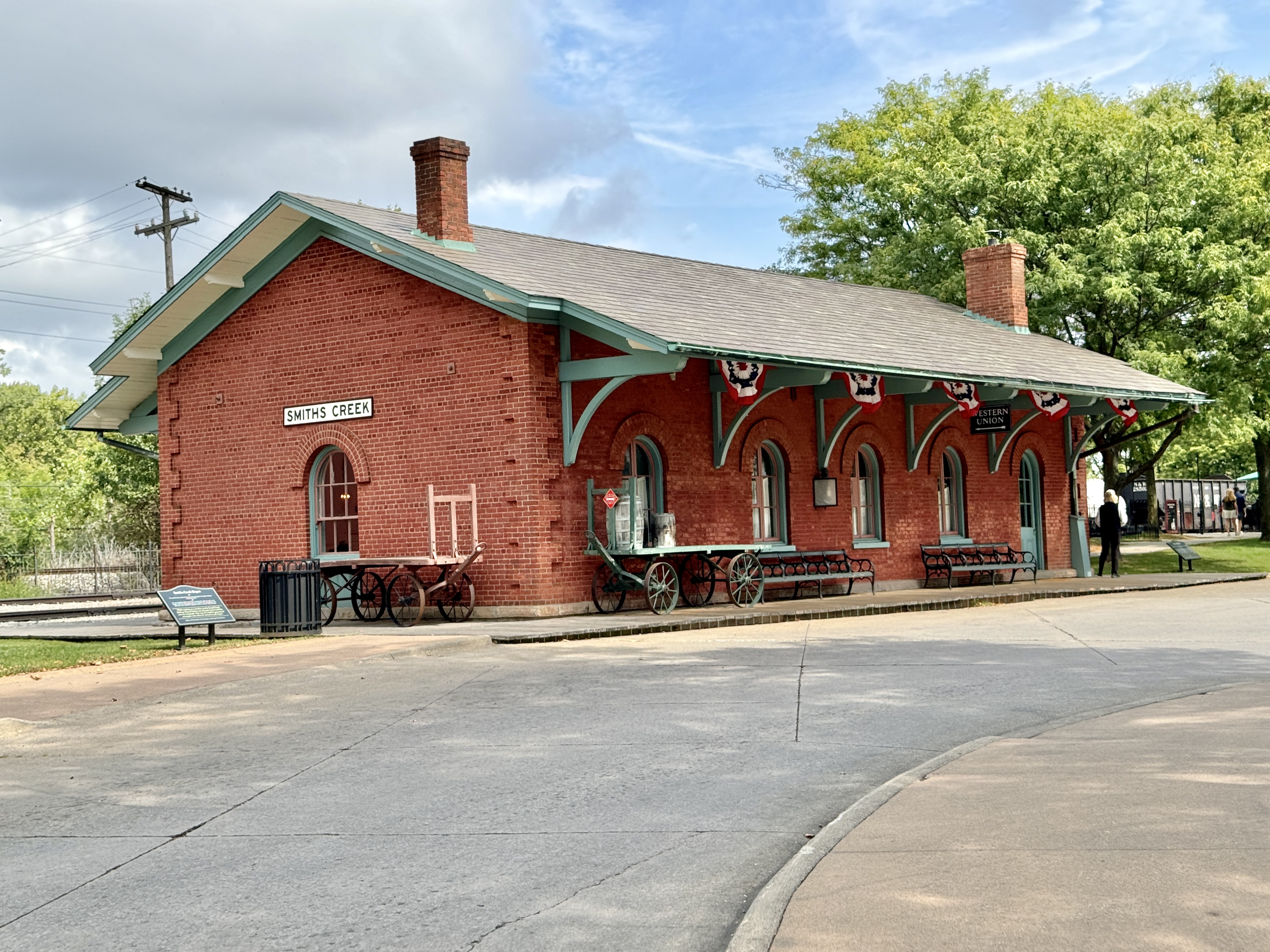
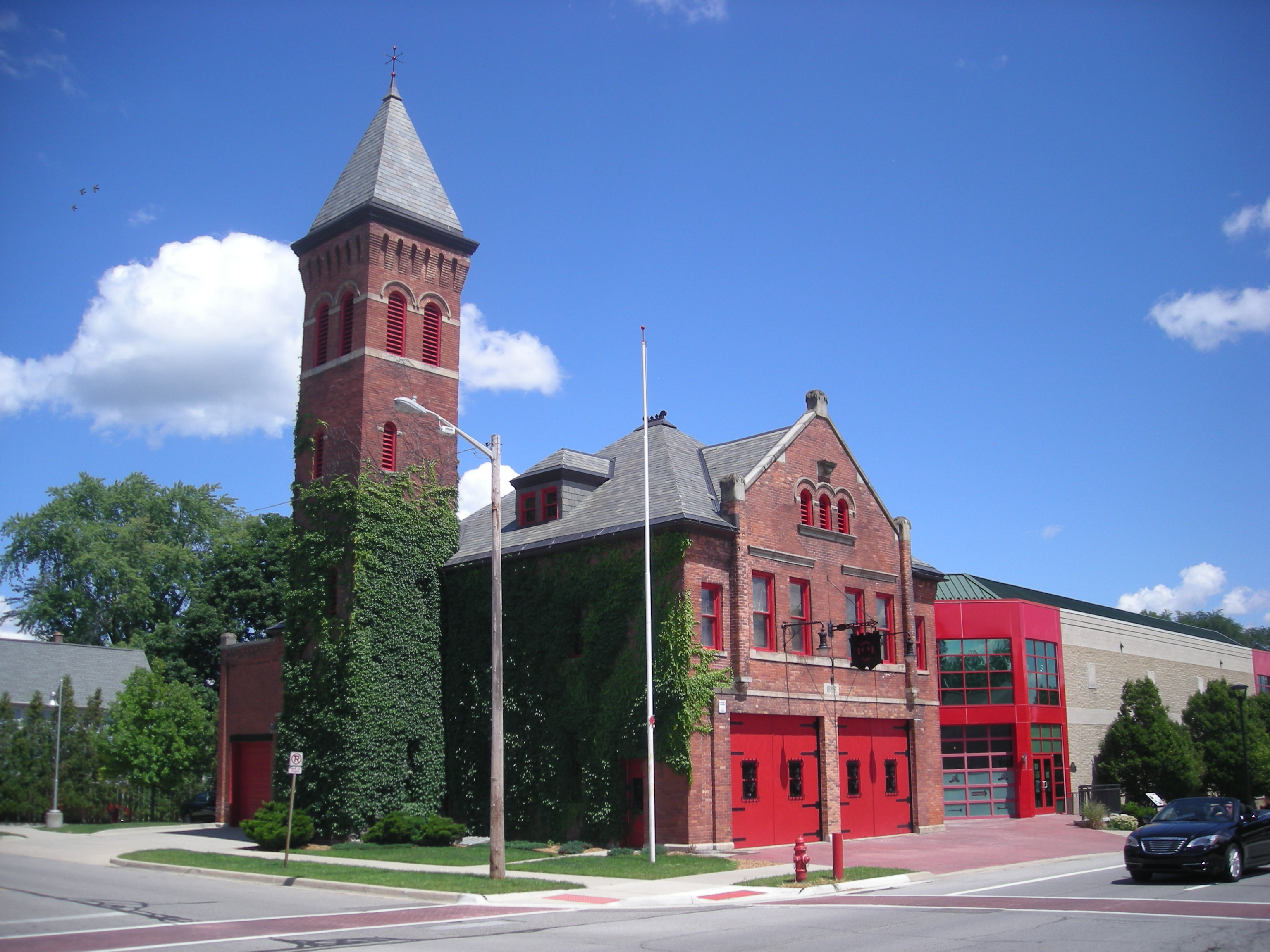
The building is the last big piece of something much larger. Eloise began in 1839 as a county poorhouse, 35 residents on a stretch of Nankin Township, and it was named in 1913 after a postmaster's young daughter, Eloise Dickerson Davock. By then it had stopped being a poorhouse and become a town. It grew into a self-sufficient complex of roughly 75 buildings across 902 acres, with its own fire and police departments, a post office, a power plant, a bakery, a working farm, even a railroad and a trolley. During the Great Depression it held around 10,000 people at once. It treated them with hydrotherapy, insulin shock, electroshock, radium, and lobotomy. The psychiatric division wound down across the late 1970s, and the last patients left in 1982.
The dead from that town went into the ground behind it. Roughly 7,100 people were buried in the Eloise potter's field between 1910 and 1948 — patients of the poorhouse, the psychiatric wards, the tuberculosis sanatorium — and almost none of them got a headstone. Just numbered concrete blocks. Volunteers have spent years matching numbers to names off death certificates and hospital ledgers, and they've documented about 6,158 of them on Find A Grave. The rest are still John and Jane Does. "We're hoping to help genealogists figure out what numbers match what names and where they're at," said Ryan Eberhart of the Westland Historic Village, who runs the effort.
Today the D Building runs historic tours through all five floors and the basement, and the investigators who work it call the place a kind of grail. A tour attendee once photographed a black silhouette sitting in a chair in an empty first-floor dining room. A volunteer in the basement industrial kitchen caught a white, misty figure beside a pillar, seeming to wear a collared shirt. The site manager says staff have caught photos of shadows in doorways — "some showing figures peeking out." After 1948, the burials behind the building simply stopped. The unclaimed bodies were sent to a medical school instead.