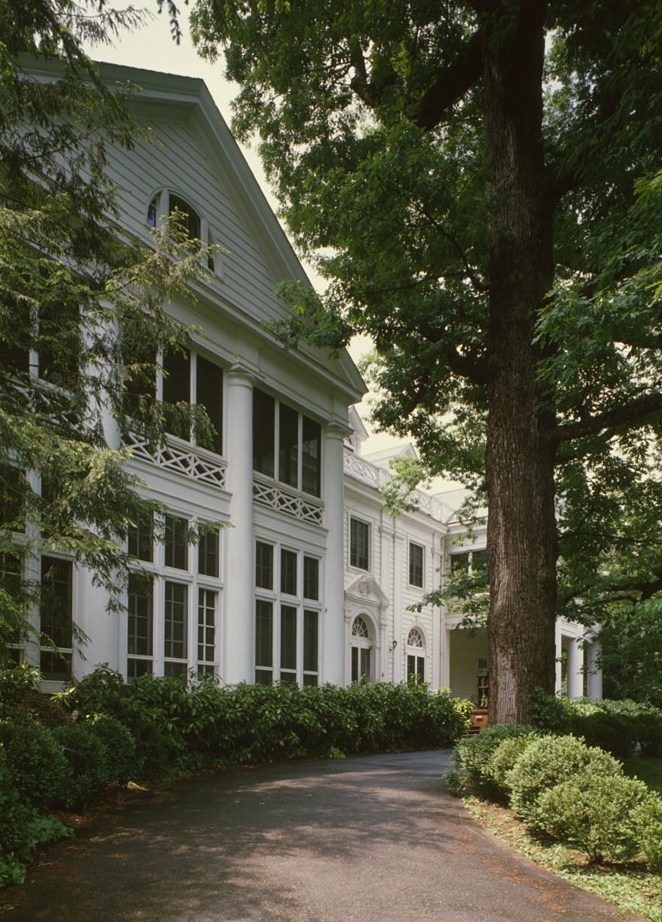
The most-told ghost at the Duke Mansion in Charlotte, North Carolina is Jon Avery, who promised a young writer he'd meet her in the gardens a year later, "dead or alive." He kept it. The trouble is the house has no record he ever lived there.
The most-told ghost at the Duke Mansion in Charlotte, North Carolina is a man in dark formal clothes who walks out of the house toward the gardens. The way the story goes, his name is Jon Avery, and he is keeping a promise.
Avery, they say, lived in the house with his mother and sisters while his wife sat institutionalized somewhere else, which left him neither married in any real sense nor free to be anything else. A young writer came to document the place, and he fell for her. Before she left, he made her promise to come back to the gardens a year later and meet him there, "dead or alive."
She came back. A figure in dark formal clothes walked from the house toward her, and when she reached for him her hand passed through him like mist. She didn't hear the words out loud. She heard "dead or alive" inside her own head. Avery, the story has it, had died days before the date they'd set.
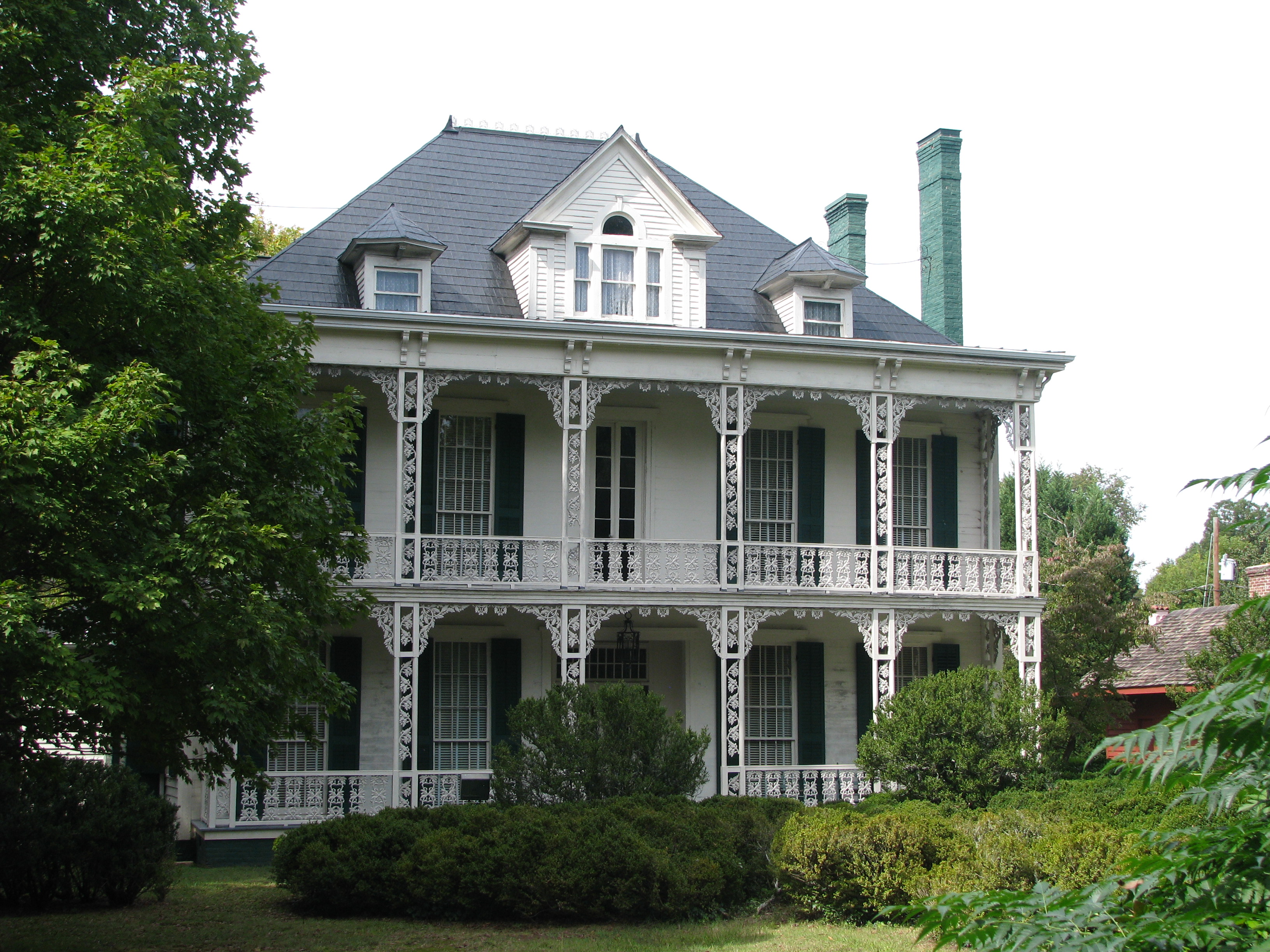
It's a good story. It is also, by the house's own records, attached to no one. The Duke Mansion has a chain of owners as well documented as any home in the South — Taylor, then James Buchanan Duke, then Coddington, Cannon, Lineberger, Ray. There is no Avery on it. The mansion's own position, as reported, is that there is no record a Jon Avery ever lived here at all.
What the house does have on the record is heavier than the legend. James B. Duke bought it in the mid-1910s and tripled its size to bring his daughter Doris south, and in 1924, sitting in the solarium, he drew up the founding document of the Duke Endowment, which still moves over $200 million a year across the Carolinas. After he died, the place passed to C.C. Coddington, the first man to hold an exclusive Buick franchise in the South, who also owned the WBT radio station and ran it under the slogan "Watch Buicks Travel."
Then the Cannons renamed it White Oaks, and in 1940 a young John F. Kennedy sat through a wedding there — his old girlfriend Frances Ann Cannon marrying the writer who'd later author "Hiroshima." Kennedy had not wanted to come. "I would like to go," he wrote, "but I don't want to look like the tall slim figure who goes out and shoots himself in the greenhouse half-way through the ceremony."
Real people, all of them, every one easier to trace than the ghost. The mansion is a nonprofit inn now, 20 guest rooms on 4.5 acres of gardens. The people who run it call Avery a rumor and can prove he never existed. The gardens are still where they go to look for him.