At the boarded-up Alhambra on Temple Street in Detroit, people passing at night say a pale figure drifts the upper-floor windows. In 1905, 14 diners were poisoned in its cafe. No one died, and no one was ever convicted.
The Alhambra is a six-story brick ruin at the corner of Cass and Temple in Detroit, boarded up and empty for years. People who pass it after dark tell the same thing: lights moving in rooms known to be empty, and a pale shape drifting along the upper floors, behind windows no one stands at anymore.
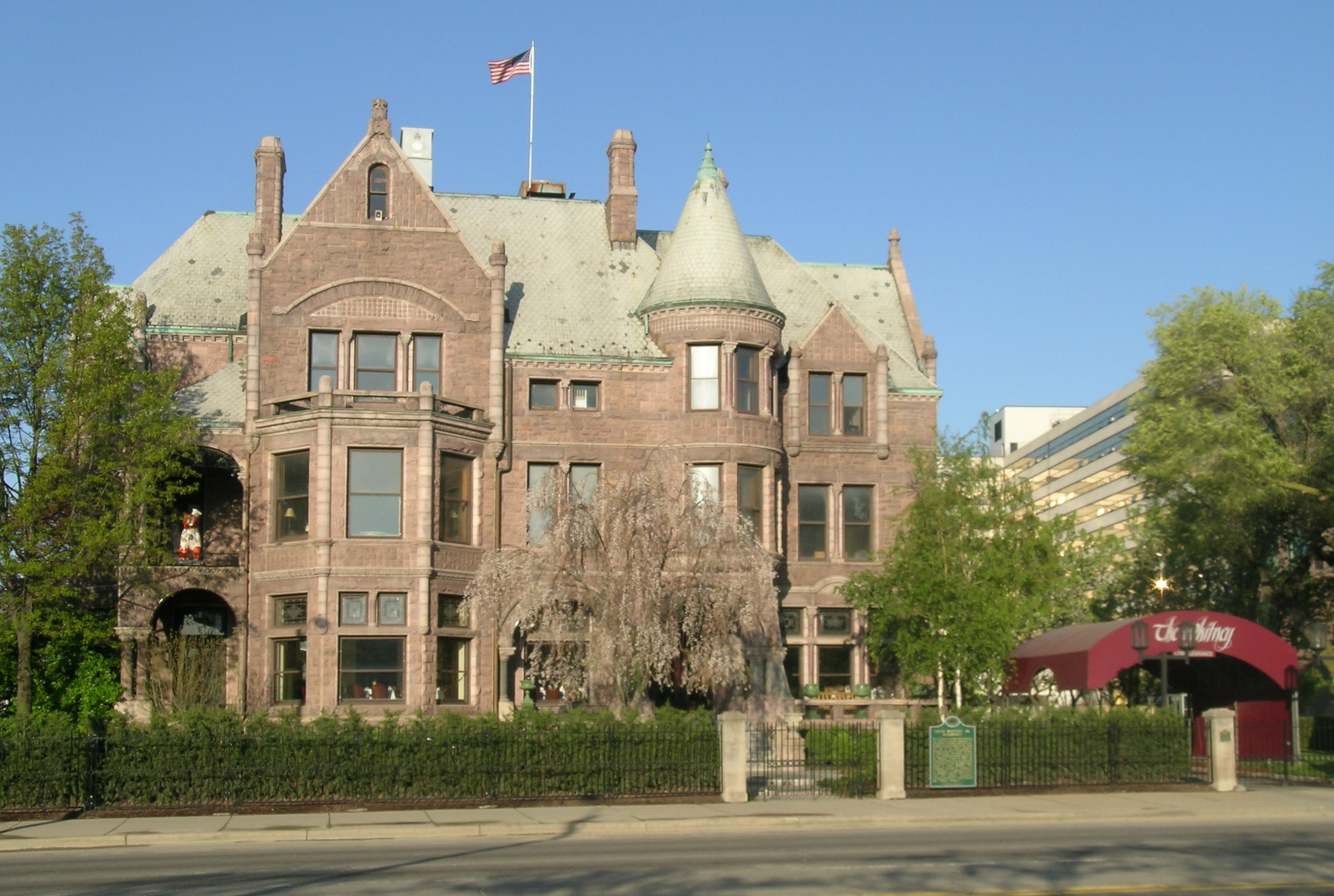
It was something else once. When the Alhambra Flats opened in the mid-to-late 1890s, it served the upper-middle class, and one of its first tenants was Harvey Firestone, who would go on to found the tire company. Romanesque Revival, with rusticated stone faced across the lower floors, 24 units in all. A good address, where a man on his way up would take rooms.
Then, in the third week of January 1905, 14 people from ten different families came down violently sick within a single week. The one thing they all had in common was the building's cafe. The Detroit City Chemist went looking and found the cause in the kitchen: arsenic, baked into the food through a can of baking powder sitting on the shelf.
Suspicion landed on Rose Barron, the building's scrubwoman. She had access to the kitchen, and she had recently been demoted from cook, which investigators read as a motive worth chasing. Then they looked into her past, and what they found was worse than a grudge over a job. Several members of her own family had died under strange circumstances, and police came to believe, in the words of the case writeup, that "she murdered them for the insurance they carried." Her own father, they noted, had died very suddenly about eighteen months before.
She went on trial, and it dragged on for months. In the end the jury split — seven for conviction, five against. After fifteen hours out, deadlocked, they were discharged. The prosecution expected to try her again. She was never convicted. She walked free.
And here is the turn the story has lived in ever since: nobody actually died at the Alhambra. Every one of the 14 victims recovered. There was no body, no verdict, no name anyone could pin to the crime — only a building full of people who had been poisoned, and a woman who walked out the door of it.
The figure on the upper floors has no name either. No one who reports it has ever said who it is, or when, or how it came to be there. It just keeps turning up in the windows of a building where the worst thing that ever happened was never finished.