At the Zebulon Latimer House in Wilmington, North Carolina, staff describe a book of Emily Dickinson poems that rises off its display, hangs for a beat, and drops back down. The activity clusters upstairs, where the children's quarters were.
At the Zebulon Latimer House in Wilmington, North Carolina, the story the staff tell on you involves a book of Emily Dickinson poems. It sits on display upstairs, and the way they tell it, the book has been known to lift off its stand, hang in the air a moment, and drop back down. They recount it the way you'd talk about a temperamental office printer.
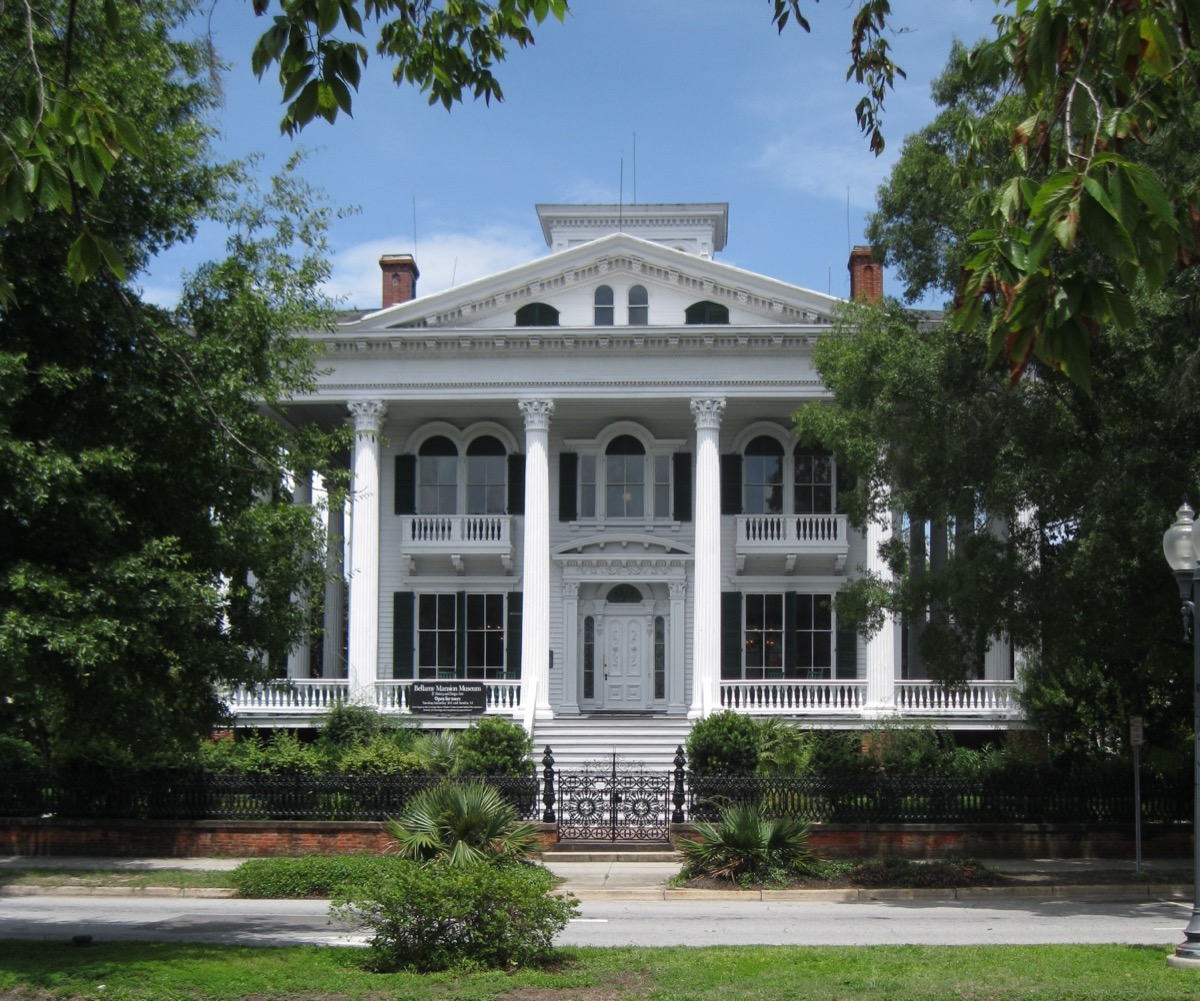
The house is a four-story Italianate mansion at 126 South Third Street, built in 1852 for a commission merchant named Zebulon Latimer. He came down from Connecticut, ran a merchant business, and sat on the boards of two Wilmington banks. He and his wife, Elizabeth, raised their family inside its fourteen rooms. They had nine children. Several of them died young, some accounts say before the age of four, in the years the family lived here.
That detail sits under everything else people report. Most of the activity stays on the upper floors, where the children's quarters were. Curators have heard marbles roll across the floor up there, coming out of a mouse hole, "like children were playing." Lights have switched on and off during tours. Down in the basement, staff describe a sudden putrid smell that has no found source. And one writer, looking at a photograph of the house, swore there was a shape in the middle second-floor window, like a figure looking back out.
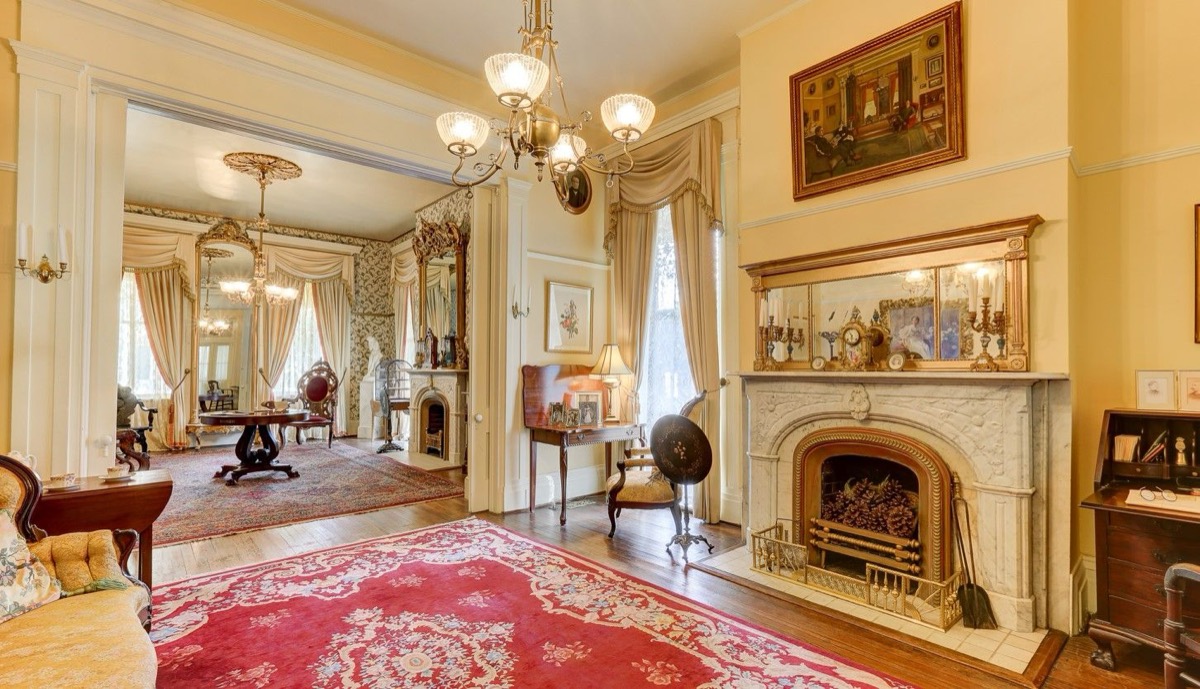
The house keeps the subject close. Three generations of Latimers lived here until 1963, when it passed to the Lower Cape Fear Historical Society, and it runs today as a museum with more than 600 period relics inside. One of its tours, "In Memoriam: A Victorian Mourning," walks visitors through 19th-century death and grief customs. On the walls hang post-mortem photographs of infants, the kind Victorian families once took of children who didn't survive. The grief these rooms were built to hold isn't background here. It's the exhibit.
No ghost in the house has a name. Nobody who reports the marbles, or the book, or the smell can tell you whose they are. The phenomena are unattributed, and the museum's own pages don't carry the levitation story at all. Elizabeth Latimer outlived nearly everyone, dying in 1904 as the oldest native-born Wilmingtonian of her day. Whatever stayed behind in the upstairs rooms isn't her, and isn't anyone the record will name.
What the house does carry is the loss itself. Nine children in these rooms, and several of them gone before they were grown. The people who work here don't have to invent a reason the upstairs feels occupied — and the thing that keeps lifting that book of poems off its stand has had a long time, and good reason, to stay.