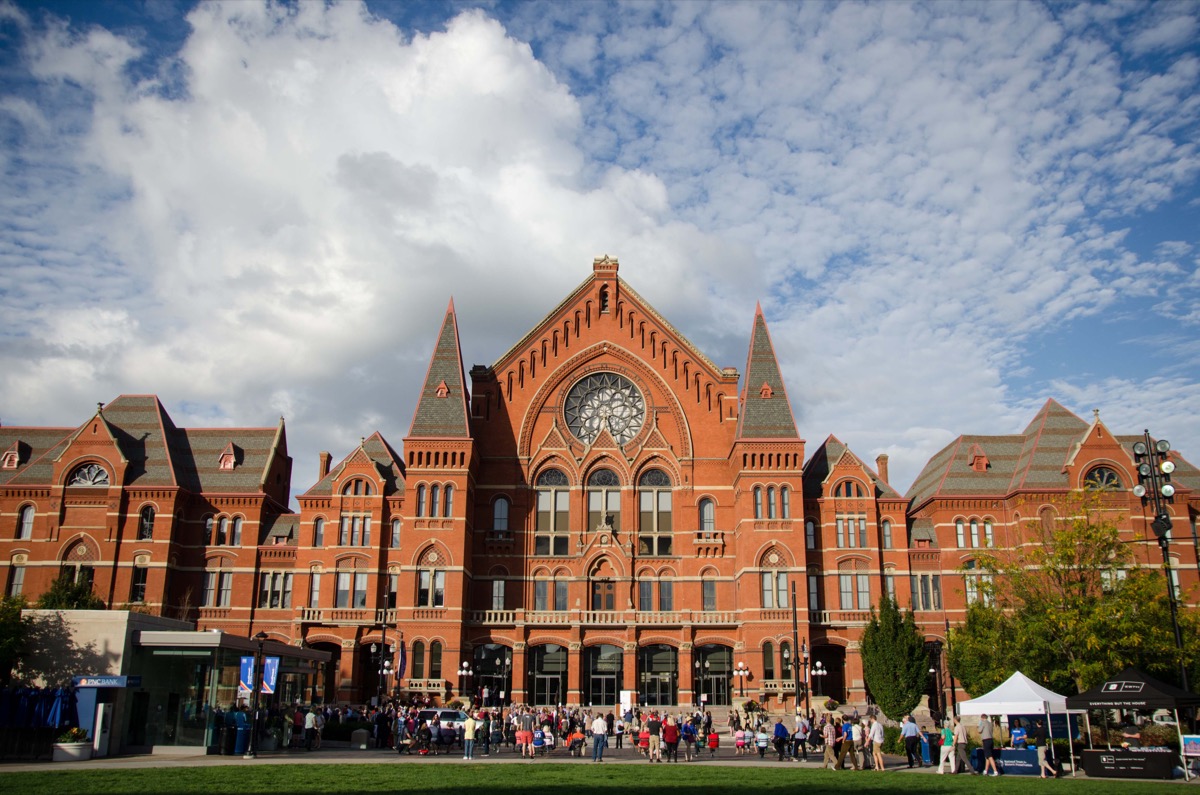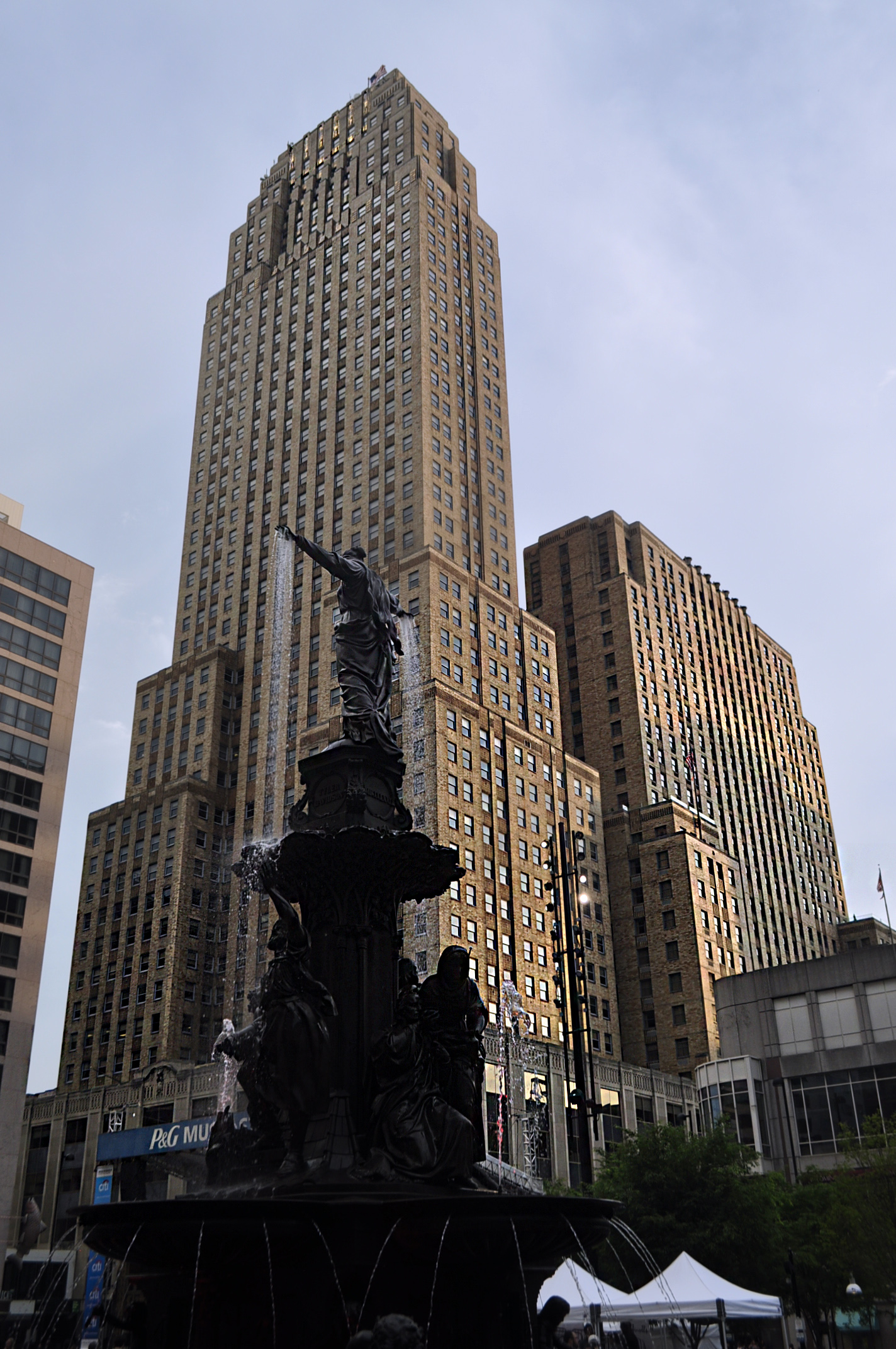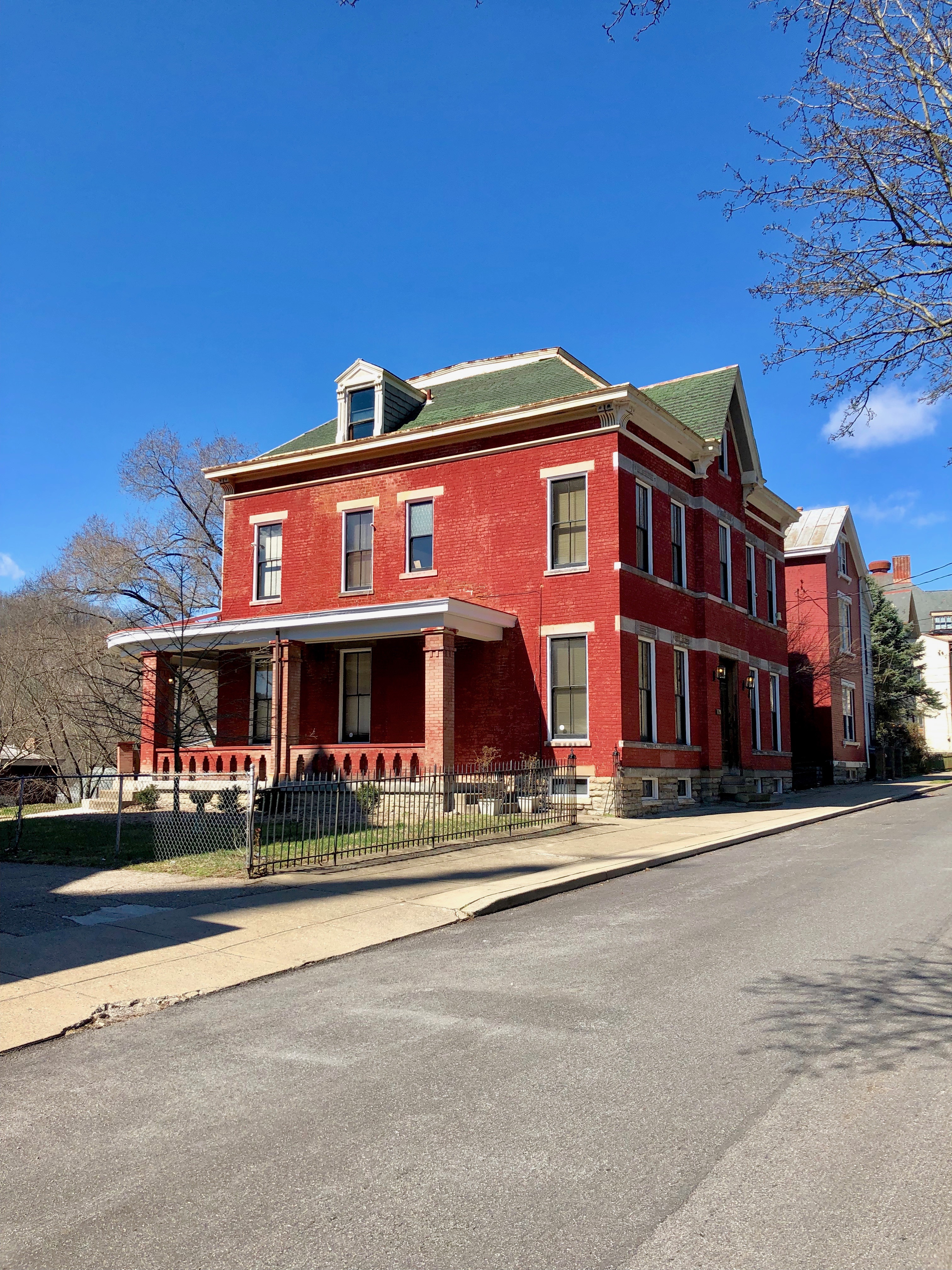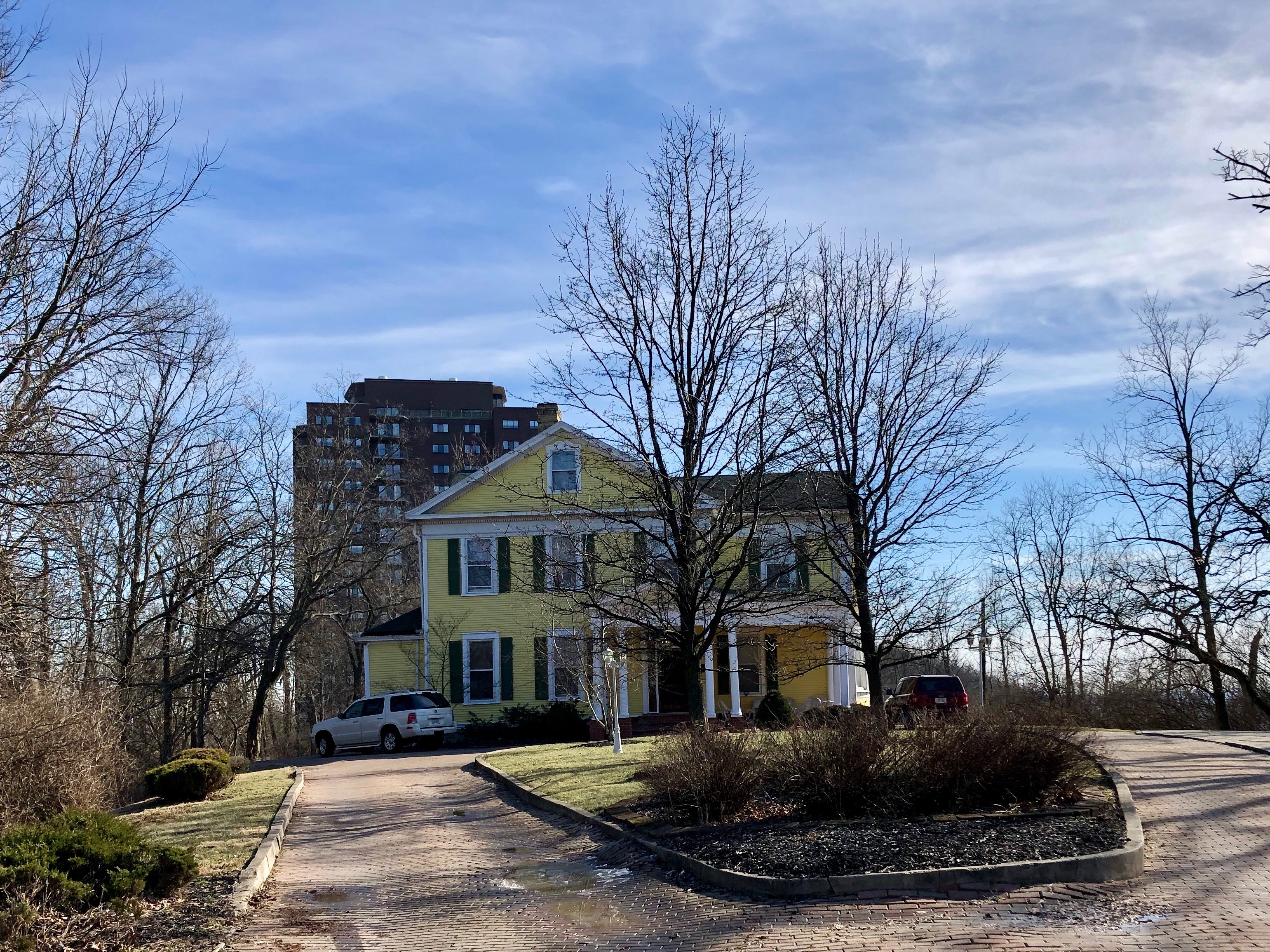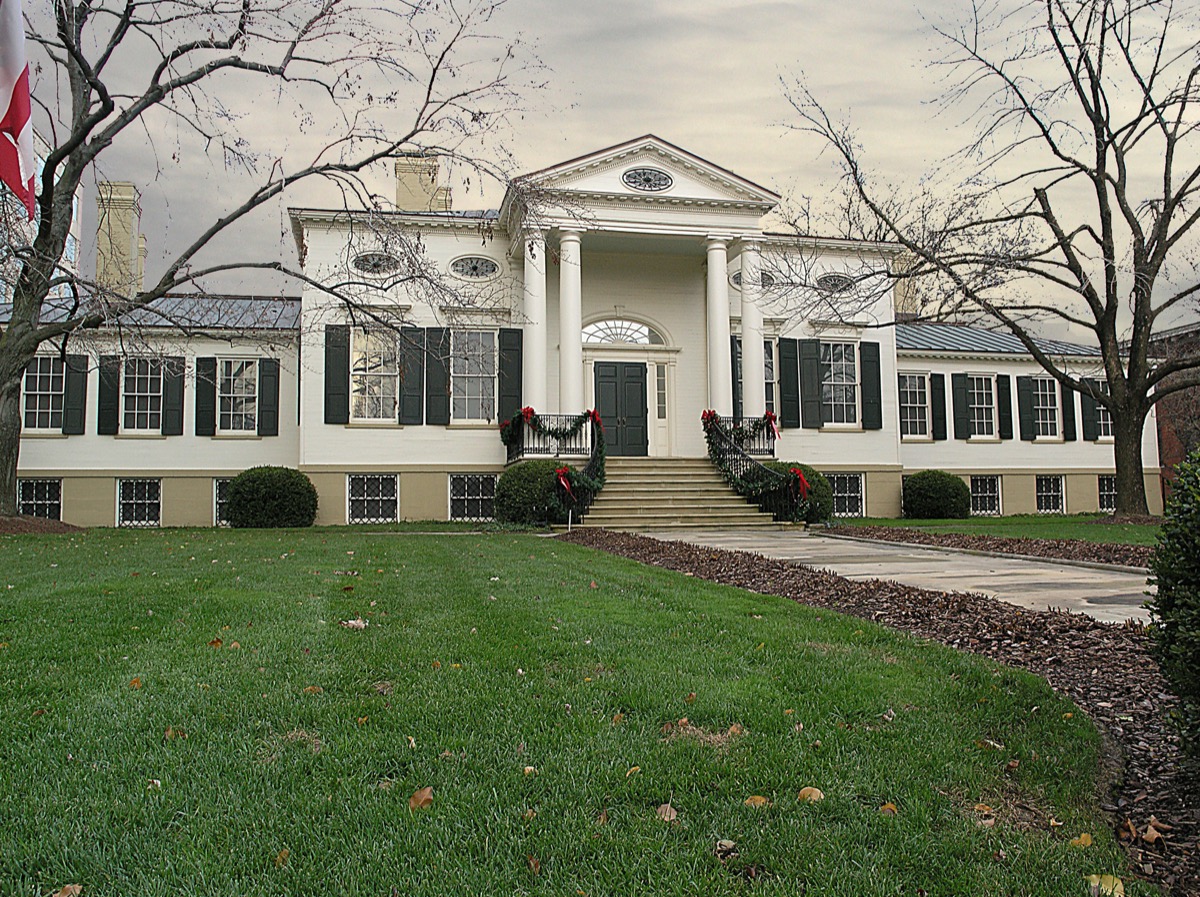
Staff and visitors at the Taft Museum of Art in Cincinnati keep seeing a woman in a long pink gown drifting the galleries. They call her Anna Taft, the heiress who gave the city the house, the art, and the fortune, and who never left a single room of it.
The Taft Museum of Art in Cincinnati keeps a woman in a long pink gown. Staff and visitors describe her drifting through the galleries and watching gatherings from the upstairs balcony, and they are fairly sure who she is. They call her Anna Taft, and the house used to be hers.
It is the oldest wooden domestic building still standing in downtown Cincinnati, put up around 1820 on Pike Street. Three generations of the city's wealthiest families lived and died inside it before a single painting went on public view. Anna Sinton grew up the daughter of David Sinton, a pig-iron baron once called Ohio's richest man, who died in the house in 1900 and left her something like $20 million. She married Charles Phelps Taft, half-brother of President William Howard Taft, and the two of them lived here for more than fifty years.
In 1927 they gave it all away. The house and a collection of roughly 530 works — Rembrandt, Turner, Goya, Sargent — went to the people of Cincinnati. Charles died in 1929 and Anna in 1931, and the museum opened to the public the next year. Visitors today pass the eight landscape murals Robert Duncanson painted across the entry hall in the 1850s, counted among the most important pre-Civil War domestic murals in the country. That is the daytime version of the place.
The other version starts after the doors lock. Gift-shop staff say objects get knocked over and flung off the shelves often enough that they have a name for it: the wrath of the Tafts. People alone in empty galleries say a voice calls them by name, or a hand taps a shoulder when no one is behind them. The sound of a baby crying has carried from near the dining room. Night cleaners say they have seen full figures, not shapes at the edge of an eye but people standing in the rooms.
None of it is written down. No paranormal team filed a report, no photograph survives, and not one of the sightings carries a date, just accounts passed staff to staff and guest to guest across ninety years. Charles and Anna lie side by side across town at Spring Grove Cemetery. She handed the city the house, the paintings, and the fortune her father left her. The people who work the rooms say she never gave up a single one of them — that the woman in the pink gown is still keeping watch over the galleries she gave away.