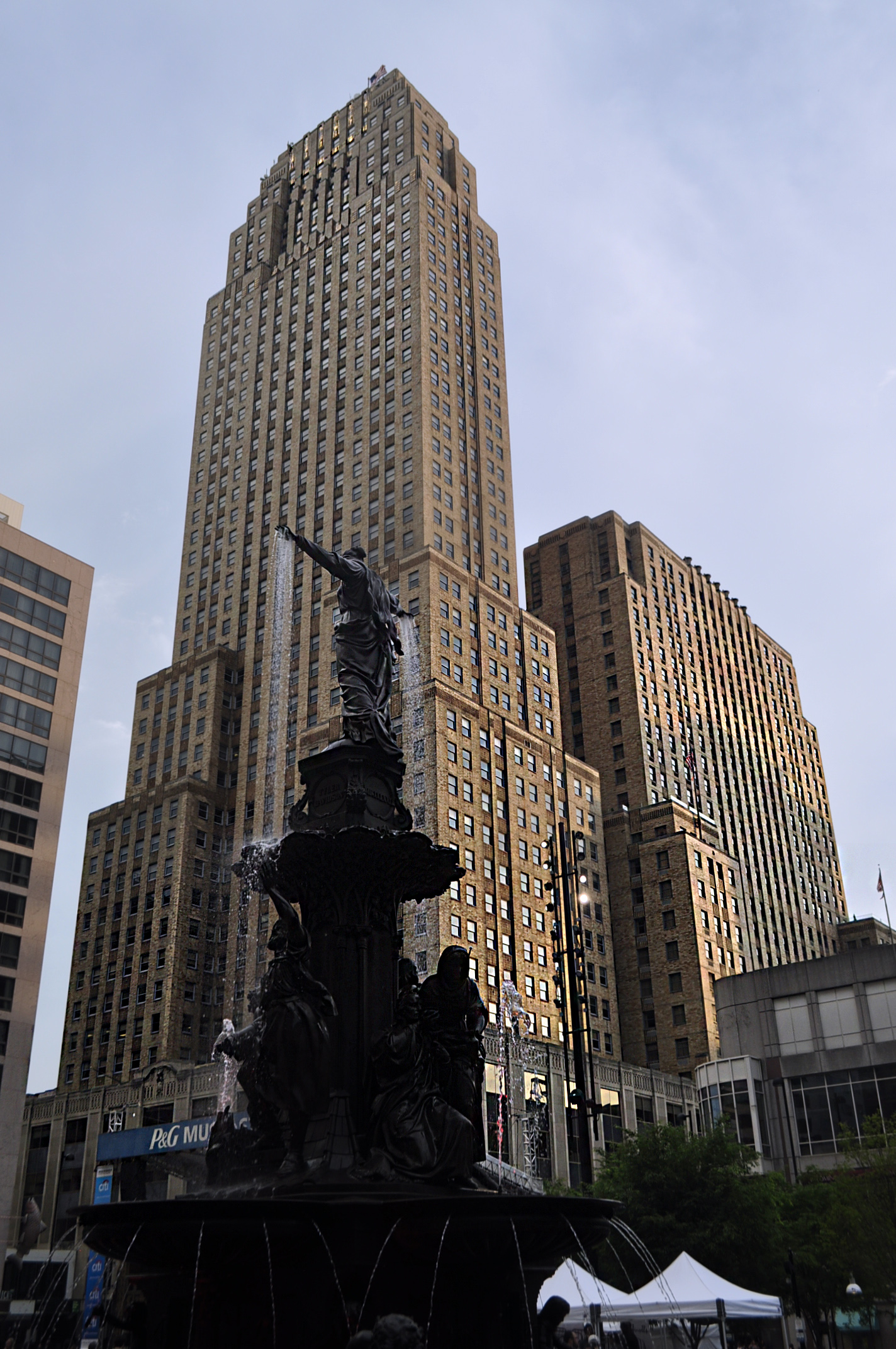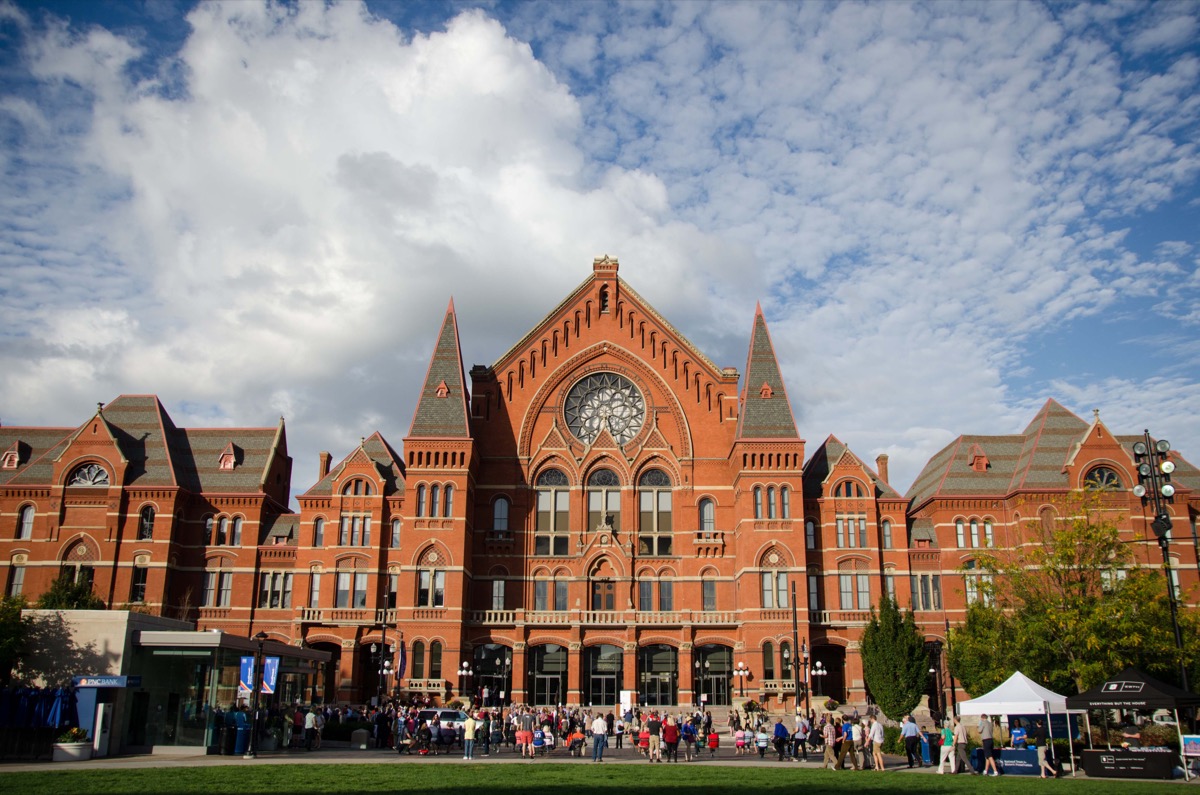
Cincinnati Music Hall, a National Historic Landmark, sits on the city's old Potter's Field. For more than a century, every excavation under it has turned up human bones, and staff still report a small boy tugging sleeves in the empty halls.
The Cincinnati Music Hall, a National Historic Landmark in Cincinnati, Ohio, is a working concert hall built on a mass grave. It's home to the city's symphony, opera, and ballet, and it stands over the old Potter's Field, a pauper's cemetery that took the unclaimed dead after the 1832 cholera outbreak. Every time anyone digs into the ground here, they find bones.
"Every time we've done renovations or excavations, they do find bones, mainly fragments of bones," said Mindy Rosen, who ran the building's preservation group. It has been happening since before the hall opened. Crews laying the foundation in 1876 hit skeletal remains. A 1988 dig for a new elevator shaft pulled up over 200 pounds of bone.
The worst was in 1927. Crews cutting a tunnel under the south wing uncovered roughly 65 graves in a stretch they nicknamed the Valley of Death. One coffin still carried its headstone: "Sacred to the Memory of George Pollock, native of Scotland, who died October 29, 1831, age 52 years." Watchmen were posted overnight to guard the open graves. Vandals got past them anyway and carried off several of the skulls.
The most recent find came during the 2016 renovation, when human remains turned up under the orchestra pit.
The dead show themselves in gentler ways, too. A box-office worker once heard the visitor buzzer go off with no one at the window, then felt a tug at their sleeve, looked down, and saw a small boy in period dress, knickers and a cap, pulling at them. Staff tell it the way they tell of music heard in empty halls after hours: routine, almost expected.
The reports run back further than the hall itself. In 1875, a night watchman at the exhibition building that stood on the same ground wrote down what he heard after the crowds went home. "The weirdest and strangest noises would occur at intervals all night. Rappings on the ceiling, under the floor, on the doors and windows," he recorded. One snowy night the knocking came hard at a door, and when he went to look, there were no footprints in the fresh snow. The sounds quit whenever the place filled with people, and came back the moment it emptied.
Erich Kunzel, who led the Cincinnati Pops for decades, never bothered to deny it. "They are definitely in this building, some sort of spirits," he said. "If anybody thinks I'm nuts, come here at 3:00 in the morning, 4:00 in the morning." He thought they were friendly. It's a generous thing to believe about a building still giving up its dead.