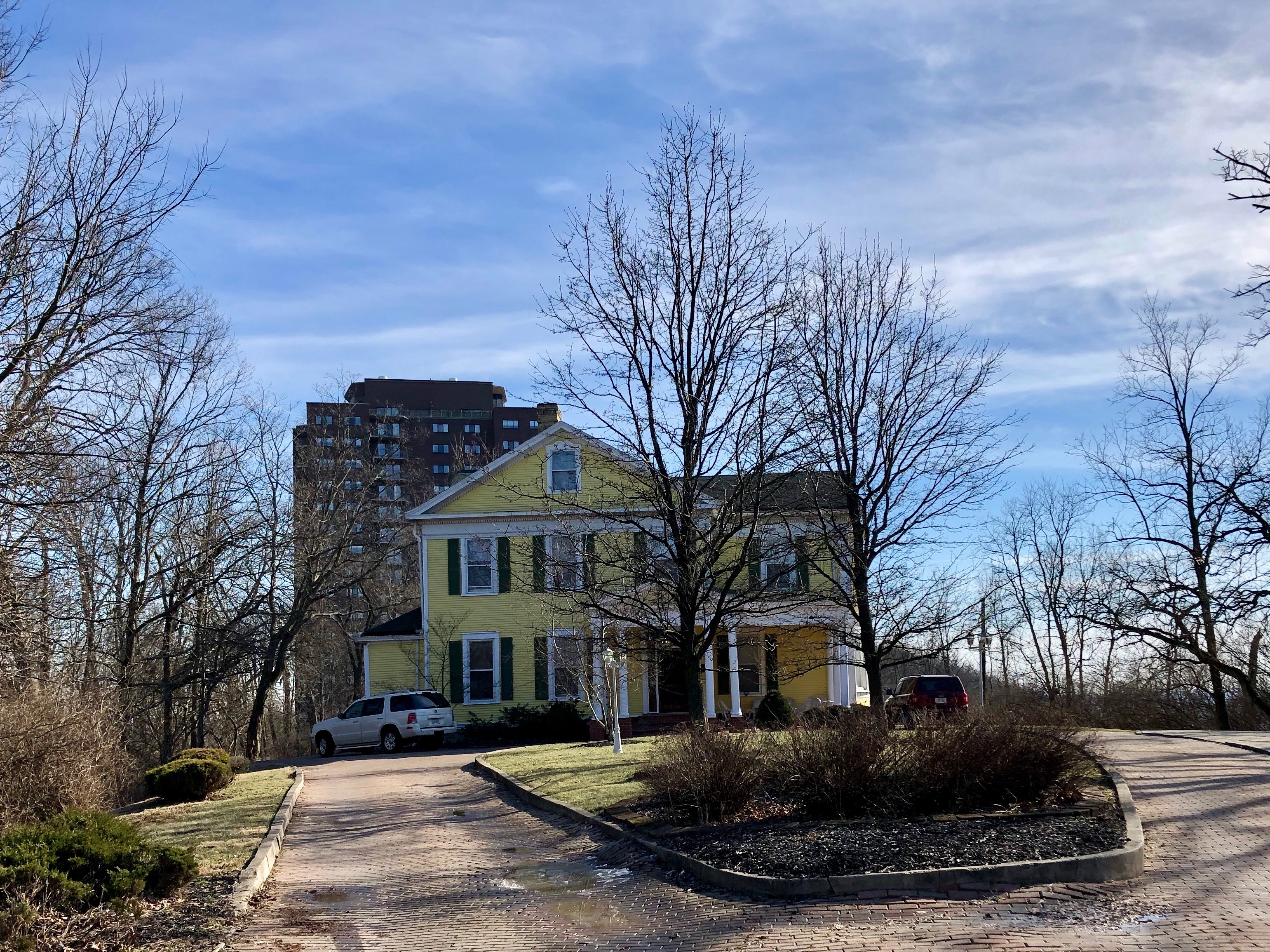
The sisters who run the Six Acres Bed & Breakfast in Cincinnati don't call the spirits ghosts. They call them the ancestors. The old house was an Underground Railroad stop, and a historian once watched a shadow cross its parlor with no light to cast it.
A guest at the Six Acres Bed & Breakfast in Cincinnati once met a woman who introduced herself as Grace. Grace had been enslaved. She had also been dead for more than a hundred years.
The sisters who run the house, Kristin and Chelli Kitchen, don't call Grace a ghost. They call her, and the others, the ancestors. Guests and staff report a second Black woman in Quaker dress, thought to have been a servant, and an elderly white man who crashes around making noise. Grace, the story goes, keeps him in check.
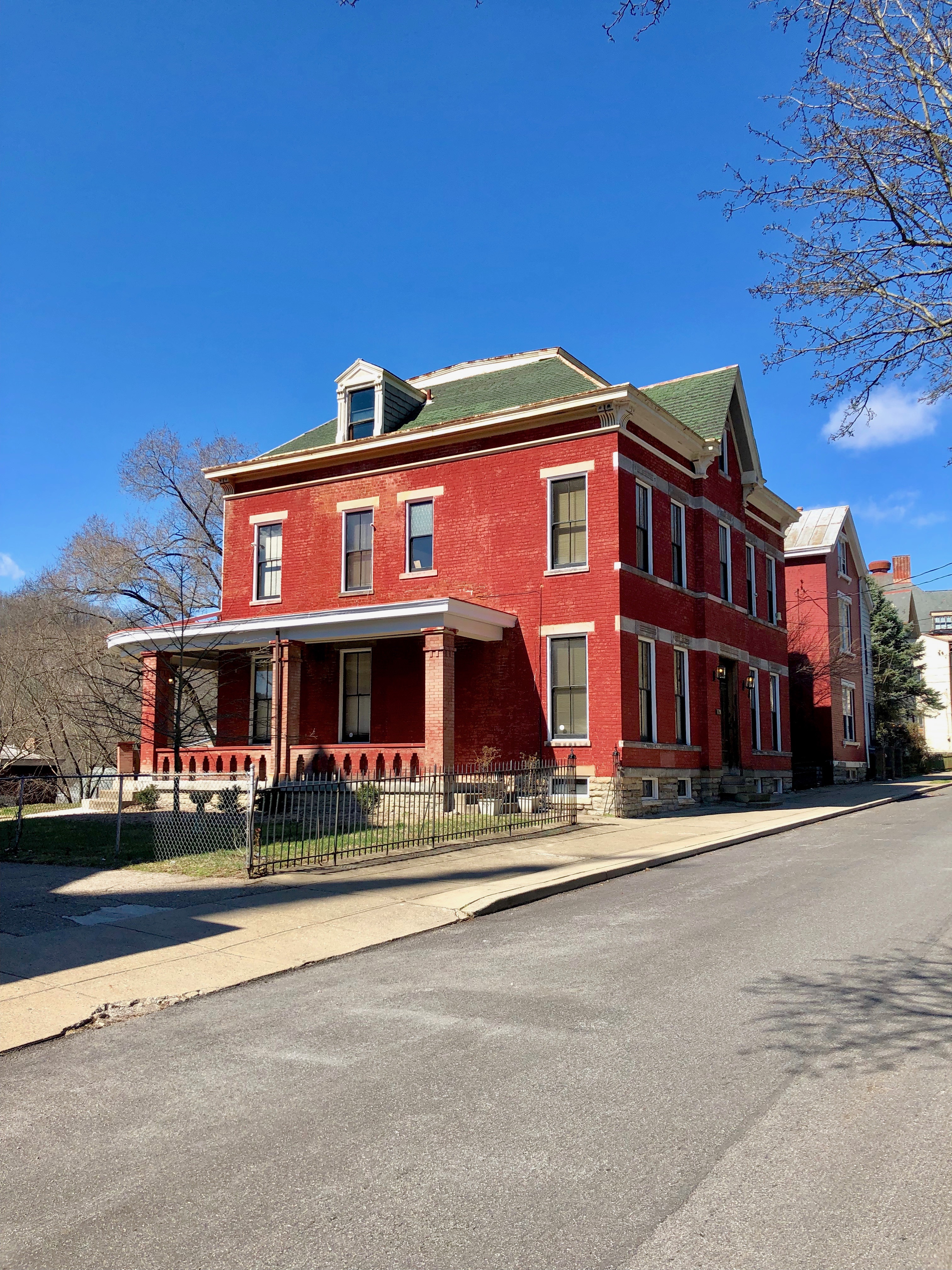
Kristin first walked through the house as a high-schooler, at a graduation party, and decided then that she would own it. It took years. A developer who had been refused permission to tear it down left the building to rot, and she found it condemned and bought it anyway, restoring the place to the buttercup yellow it wears today.
The reverence isn't decoration. Six Acres is a documented Underground Railroad house, built in the 1850s by Zebulon Strong, a Quaker farmer and abolitionist who hid freedom seekers on his land and moved them out after dark in a wagon with a false bottom. They came up the ravine below the house and hid in the brush under old burlap sacks, and Strong's children, playing nearby, would casually leave food behind for them.
Not all of them made it. A young boy who came through the railroad died in the attic. An African healing circle is carved into the floorboards of the room, and the Kitchens won't let visitors set foot in it. They hold no ghost tours and forbid investigators. They guard the attic as sacred, not spectacle.
The most careful witness on record is a historian. Tiya Miles wrote a book on ghost tourism at Southern slavery sites. During her visit, Chelli pointed across the parlor. "Do you see that shadow?" she said. "It wasn't there before... It's moving." Miles followed her gaze and saw it too: a dark shape sliding along the wall toward the front door, with no light source she could ever trace.
"I will not call it a ghost," Miles wrote, "no matter where my imagination might lead me."
In all her research, she had never met a Black site owner who foregrounded a haunting like this. The Kitchens do. And then they lock the one room that would prove it: the attic where the boy died, the floor still marked with a circle meant to heal.