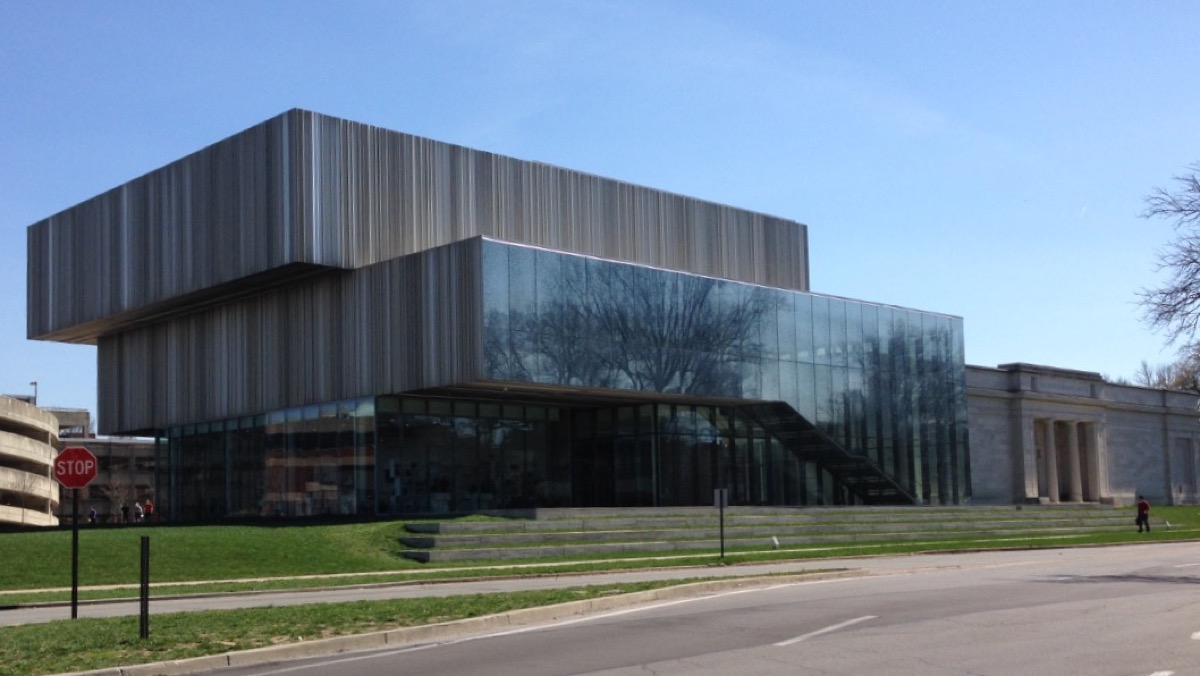
At the Speed Art Museum in Louisville, the woman who founded it in 1925 is said to walk the galleries after closing, in a white dress, moving from piece to piece like a curator. The tell isn't a sighting. It's the rosewater she wore.
At the Speed Art Museum in Louisville, Kentucky, the founder is the one people report seeing after the doors lock. They describe a woman in a flowing white dress, moving slowly through the galleries in the evening, stopping at each piece the way a curator would. But the surest sign she's there isn't a sighting. It's the smell of rosewater, her perfume, drifting through the building and pooling thickest in the Kentucky Room, said to be her favorite gallery.
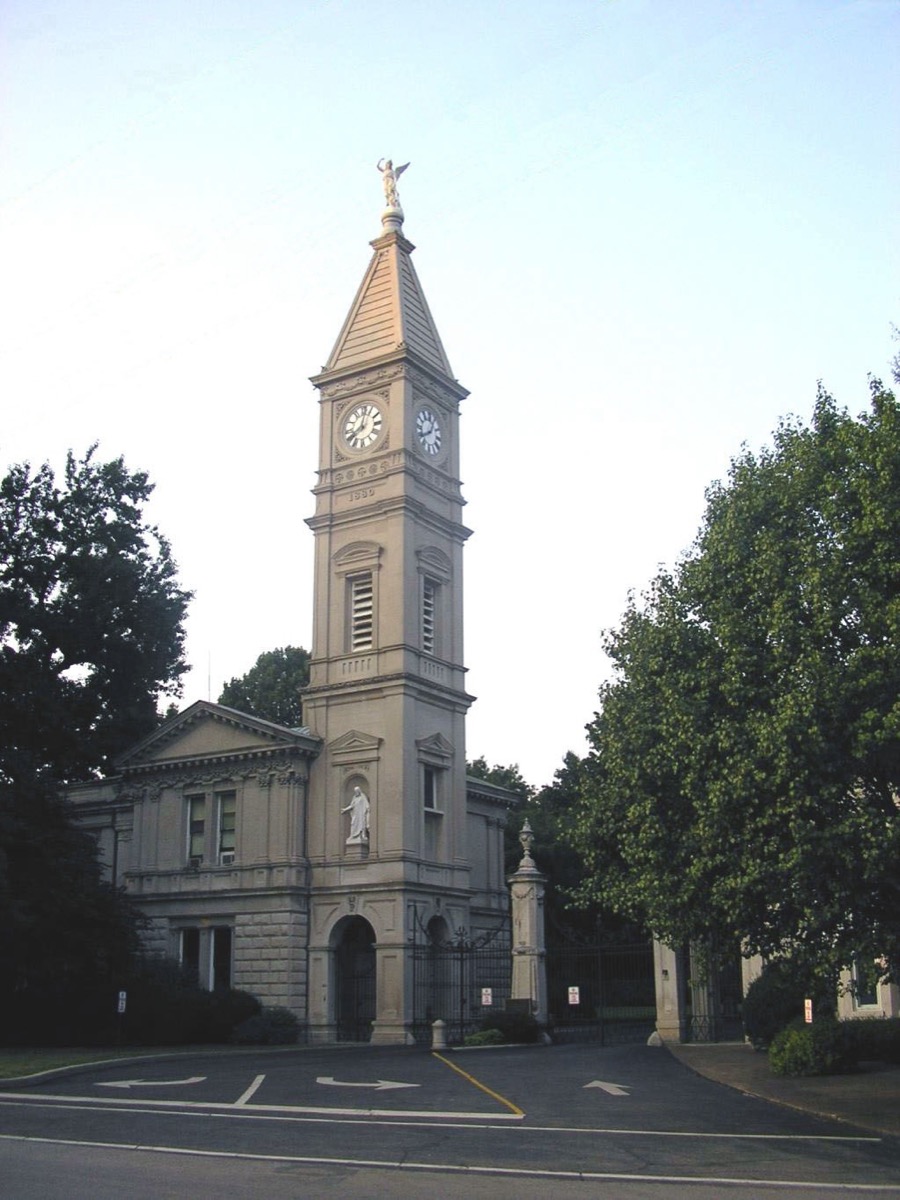
Her name was Hattie Bishop Speed. A concert pianist who'd studied in Berlin and Rome, she founded the museum in 1925 as a memorial to her late husband, James Breckinridge Speed, and served as its first president and director. The building, a Neoclassical limestone hall by Louisville architect Arthur Loomis, opened in 1927 to nearly 2,000 visitors. Hattie died in 1942 and was buried at Cave Hill Cemetery. The collection she shaped is still here. By every account, so is she.
The staff don't fight it. They talk to her. When new work goes up, someone will say out loud, "Come on in Hattie, it's fine. We hope you like it." She isn't always so easy to please. Exhibit labels fall off the walls during installations, illogically, and get attributed to her. The story goes that a portrait label kept peeling off on its own, and the lore reads it as Hattie's jealousy of J.B.'s late first wife. During the 2012 expansion, a heavy file cabinet was found shoved four to six inches in front of a locked office door overnight. "There's only one way to get in there," the museum's marketing officer noted.
She doesn't always feel hostile. As the story is told, a security guard once dozed off at his post and woke to find Hattie standing over him in her white dress, looking down at him with concern. Security camera monitors have caught a cloudy figure drifting through after-hours rooms. Elevators are said to open on empty floors with no one near the buttons.
The strangest part is how openly the place leans in. In 2021 the museum hosted *Supernatural America*, its largest exhibition to that point, 250 years of American art about the unseen. At the opening, a small bottle of "spirit water" by artist J.B. Murray jumped on its pedestal in front of a guest. Within 30 minutes, the curator said, the new ghost story had spread across the building.
A museum is meant to keep things that outlast the people who made them. This one seems to have kept its maker, too, still walking the rooms after hours, checking the work on the walls.