Scull Shoals Ghost Town

Scull Shoals Ghost Town

👻 other

Greensboro, Georgia ยท Est. 1784

TLDR

Scull Shoals is named for the human skulls the Oconee River keeps washing out of the prehistoric Native American burial mounds upstream. Settlers arrived in 1782, built a frontier fort after Creek raids, watched Capt. John Autry get scalped on the riverbank in 1788, lost the town to fire, epidemics, and an 1887 flood, and vacated by the 1920s. Visitors now describe apparitions walking the overgrown paths like they don't realize their town has vanished.

The Full Story

Scull Shoals is named for what the Oconee River kept washing up on the shoal. Two miles upstream sit a pair of large prehistoric Native American burial mounds (plus several smaller ones) built between 1250 and 1500 A.D. By the time European settlers arrived in 1782, the river had been eating into those mounds for centuries. What it delivered downstream were human skulls. The settlers named the place after what they found. Local writers at scullshoals.net argue for a competing etymology (sculling oars, or a family surname), but the skulls-from-the-mounds version is the one Wikipedia, Lost Worlds, and ghosttowns.com all carry, and it's the one that has stuck.

On February 2, 1788, Capt. John Autry of the Wilkes County militia was riding alone near the shoal when Creek warriors caught him. They scalped him and killed him on the spot. He was buried where he fell, near Richland Creek. Six days later, Gen. Elijah Clarke wrote to Gov. George Handley: "Capt. John Autry was killed by the Indians near the Skull Sholes on Oconee River. [He] had been riding alone, when he was scalped and killed, by Creek Indians." That letter still exists. It is one of the cleanest, most specific violent deaths on record at any Georgia ghost town, and it happened six years into the settlement's life.

The raids kept coming. In 1793 the settlers built Fort Clark, manned by a local militia called Phinizey's Dragoons. The 1802 treaty with the Creeks opened the land west of the river and the town grew fast. Zachariah Sims and George Paschal built Georgia's first paper mill here around 1811, funded partly by the state legislature. The War of 1812 wrecked the economy and the paper mill folded by 1815.

Cotton saved the town, briefly. Dr. Thomas Poullain ran the textile operation for 41 years, from 1827 to 1868. A fire in 1845 gutted the original wooden mills, and Poullain rebuilt them in brick, three and four stories tall, and called them the Fontenoy Mills. By the mid-1850s he had 2,000 spindles turning, 4,000 bales of cotton moving through per year, and 600 people on the payroll. Annual output hit $200,000. In parallel, cholera, typhoid, and yellow fever tore through the workers at intervals, the way they did through every mill village of the era. People died in their homes. A local physician named Dr. Lindsay Durham kept medicinal gardens for the villagers.

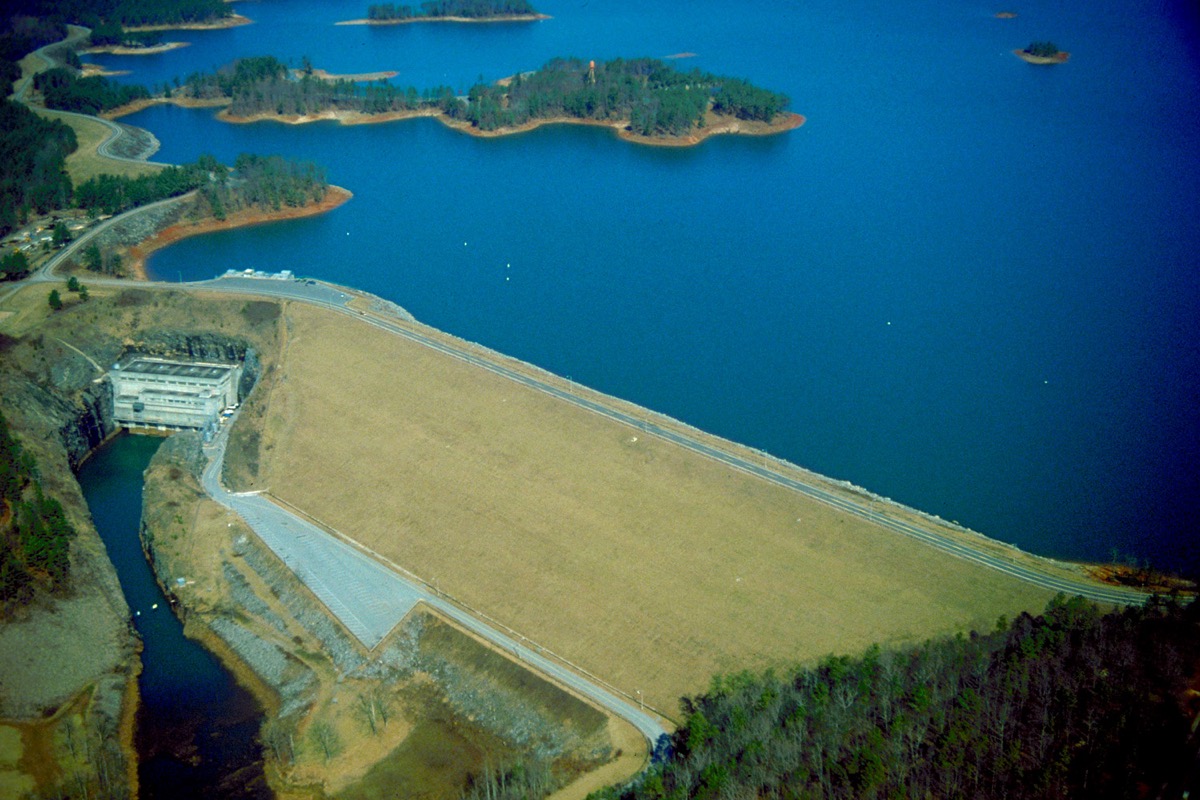
Then the river turned on them. Silt from upstream farms had been filling the channel for decades, undercutting the water power. The 1887 flood stood water in the mills for four days, ruined several hundred bales of cotton and 600 bushels of wheat, and swept the covered toll bridge downstream. The mills never recovered. By the 1920s the last residents had packed up and left. In 1949 the ruins were folded into the Oconee National Forest.

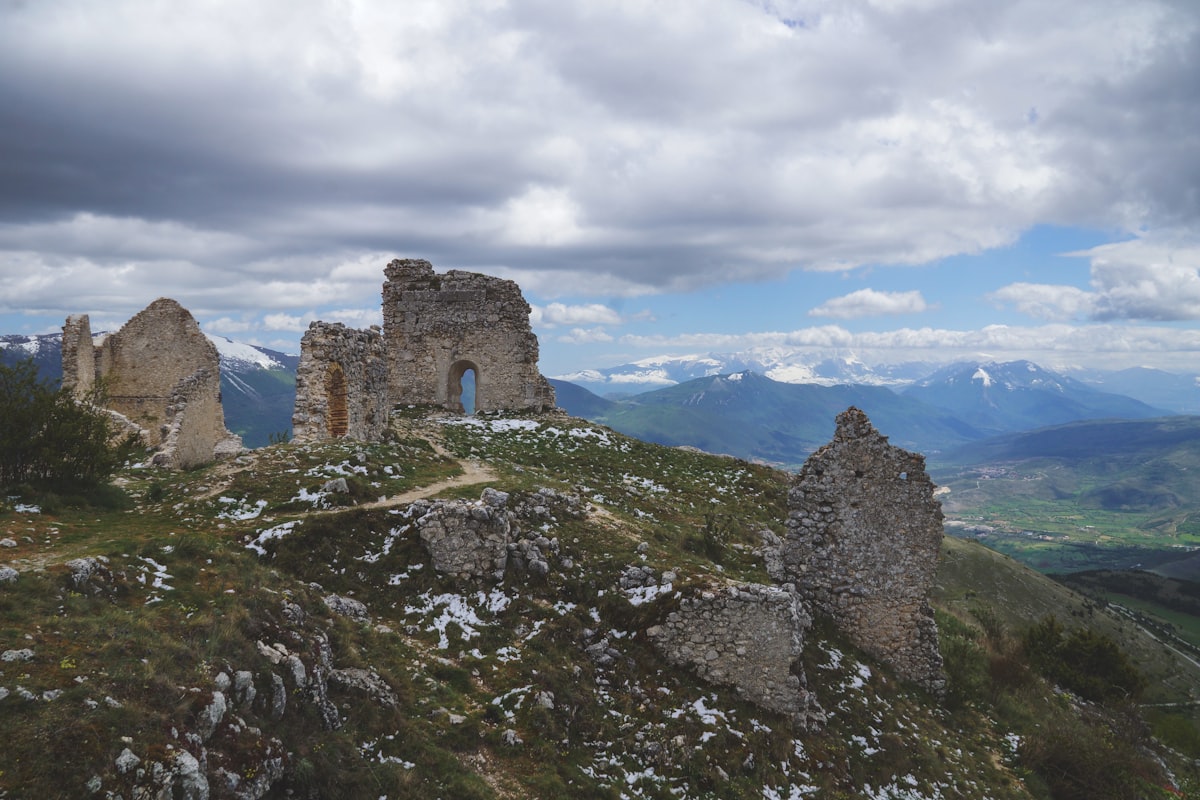
To get there now you drive four miles of dirt road (Forest Road 1234, also called Skull Shoals Road) through the kind of wilderness that swallows cell signal. The brick walls of the warehouse and company store rise out of the forest floor, half-consumed by vines and trees growing through the foundations. An old arched bridge sits at the edge of the woods. The ruins of the four-story mill are still partially standing.

Thrillist called Scull Shoals the creepiest ghost town in Georgia, and the iHeart syndicate picked it up. The phenomena reported here are all variations on the same strange motif: footsteps on packed dirt when nobody is walking, whispers on windless air, doors slamming where no doors remain, figures flitting between crumbling walls that "are there and then not." The line that gets repeated across sources, and feels more specific than generic ghost-town vibes, is this: apparitions walking the overgrown paths "seemingly unaware that their town has long since vanished." People who keep walking a route they've forgotten has been erased.

Nobody has attached a name to those apparitions. Capt. Autry's ghost would be the obvious candidate, but no source makes that claim and it would be a cheap invention to drop it in. The material is richer without it. A town named for indigenous skulls the river exposed, built on land taken by force, where a man was scalped on the riverbank in 1788 and three generations of mill workers died of cholera and yellow fever, then a flood erased the whole place in four days. Of course people say they hear footsteps. The woods have had a century to listen back.

Researched from 12 verified sources. How we research.