TLDR
Santa Clara University's own archaeologist searched for Father Catala's body behind the sealed marble vault where it was supposed to be and came up empty. The campus also sits on roughly 7,500 Native burials from the mission era, and students in Walsh Hall report a ghost they call "Buddy."
The Full Story
Father Magin Catala died on November 22, 1830, and his body has been missing ever since. Not metaphorically. Literally missing. Santa Clara University's own archaeologist searched the sealed marble vault where the remains were supposed to be and came up empty. "No one knows what happened to Father Catala," Russell Skowronek told reporters. "So we are missing a priest who may be a saint." His canonization cause has been pending in Rome since 1909.
Catala was the "Holy Man of Santa Clara," a mystic and reported miracle worker who served the mission from 1796 until his death. Contemporary eyewitness accounts still preserved in the university library describe things that stretch plausibility even for the era. Witnesses swore they saw him levitate while praying before a crucifix, and that "the figure of Christ detached his hands from the cross and laid them on Father Catala's shoulders." Like Padre Pio, he was reportedly seen in two places at once. He also made one prophecy that later came true in grotesque detail. He predicted that Yerba Buena, the tiny settlement north of the mission, would "become very wicked, and will be completely destroyed by earthquake and fire." The 1906 San Francisco earthquake hit exactly 76 years after his death.
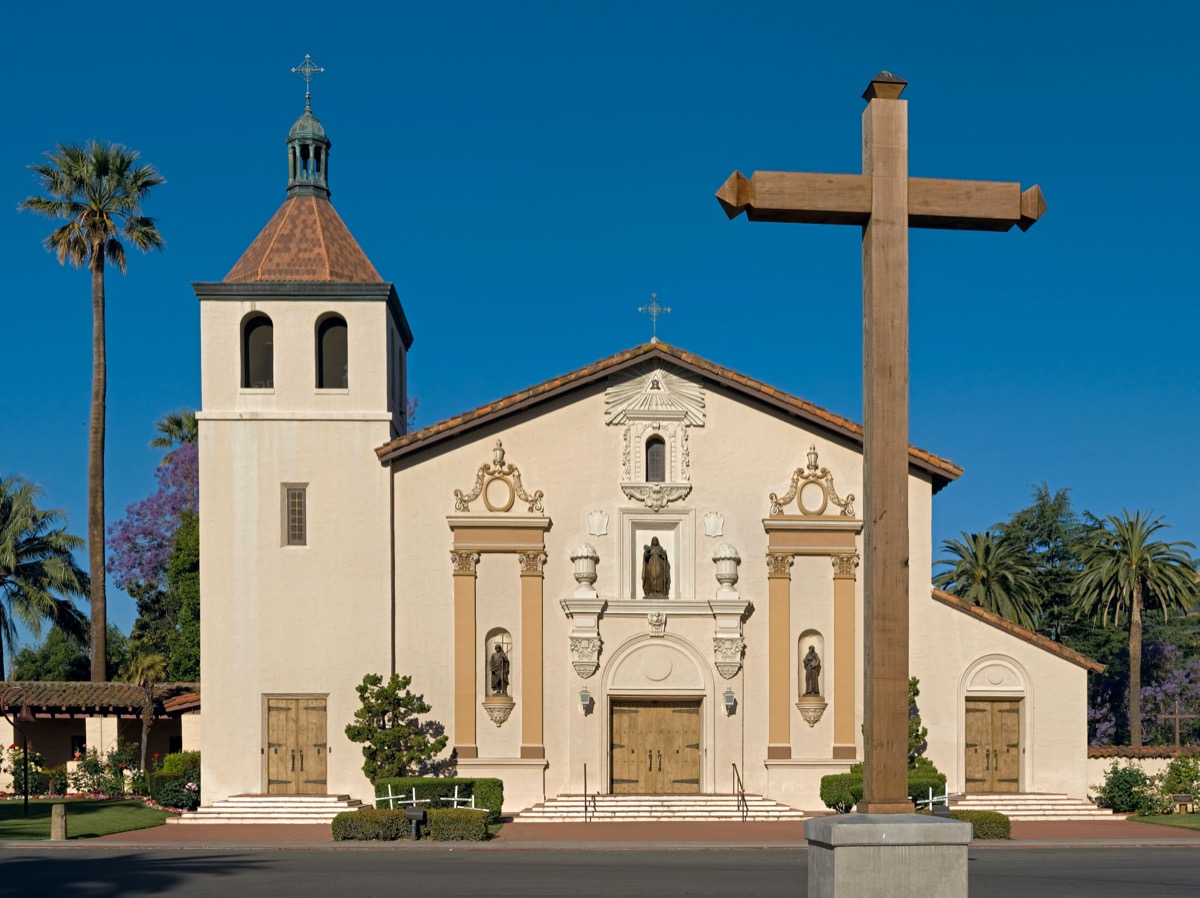
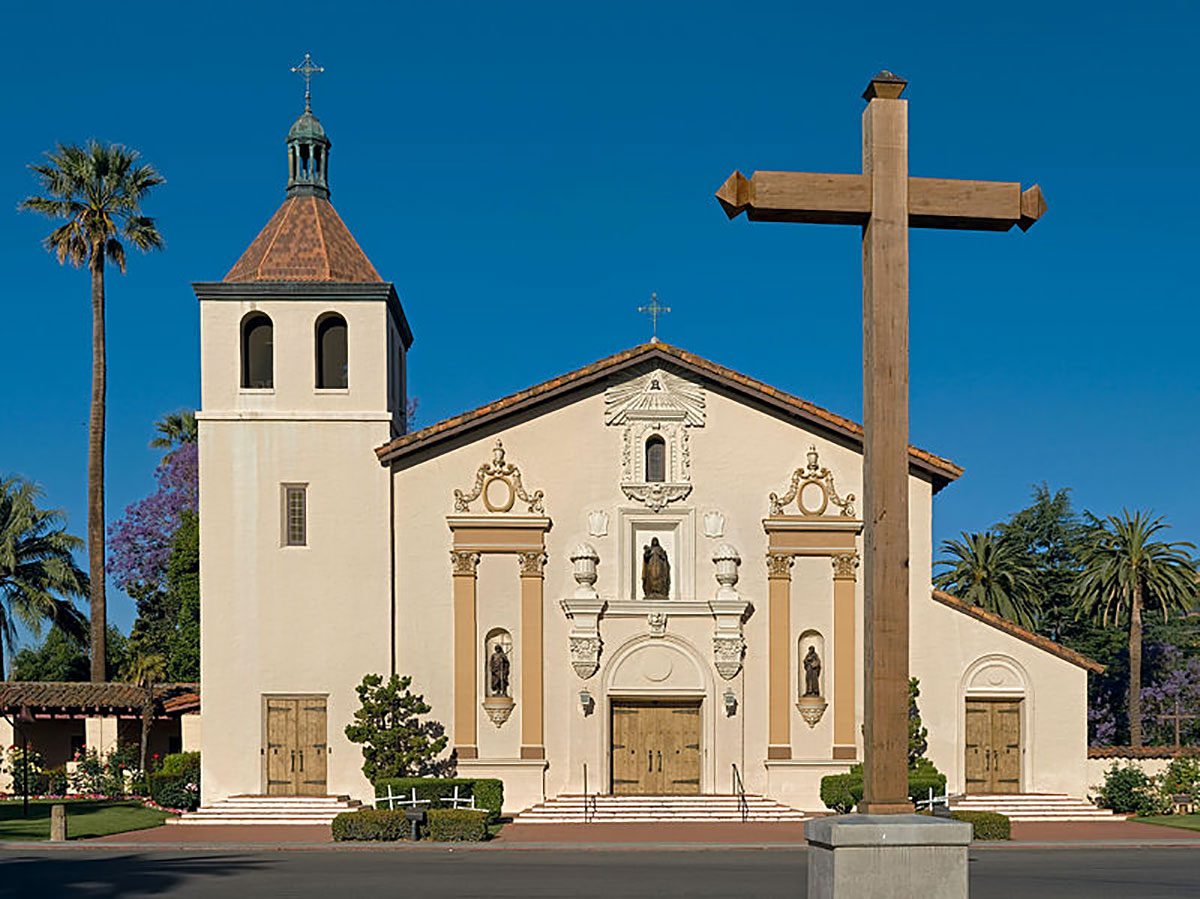
That's where the missing body part gets strange. On October 24, 1926, faulty wiring in the north bell tower started a fire that destroyed the Mission Church. The crucifix Catala had prayed before somehow survived and still hangs above the altar today. His body didn't. He had been placed in a coffin in the church after crowds stripped his clothes as holy relics, and when the church was rebuilt in 1928, the remains were supposedly transferred to a "hermetically sealed container" behind a marble plaque. Skowronek's search found nothing behind that plaque. A maybe-saint walked off.
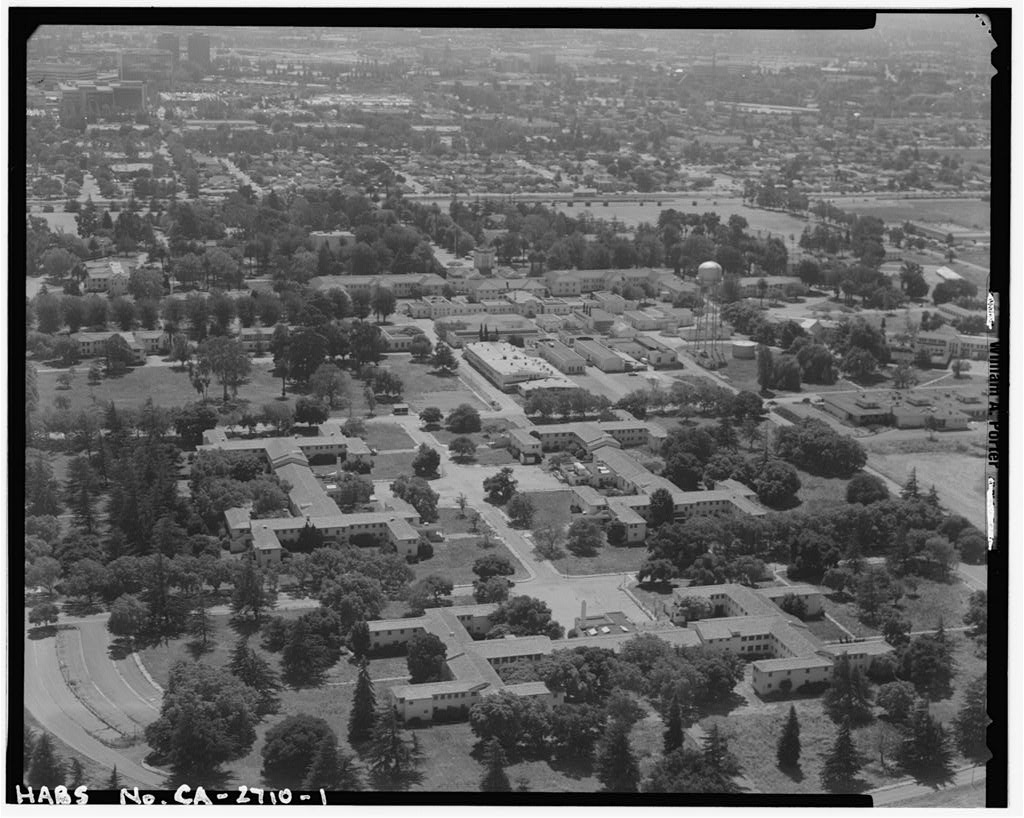
Under the rest of campus, there's a larger accounting problem. More than 7,500 Native individuals from the Ohlone, Yokuts, and Miwok peoples are buried somewhere under the grounds. Skowronek has documented three separate cemeteries through archaeological work: 20 bodies dating from 400 B.C. to A.D. 800 unearthed near Kenna Hall and Walsh Administration, about 1,000 nineteenth-century burials between the Mission Church and O'Connor Hall, and another 2,000 graves near The Alameda at Franklin Street. The university has used ground-penetrating radar and, at one point, cadaver dogs to map the boundaries. Most of those burials happened because missionization killed people through disease, forced labor, and violence. Mission Santa Clara was founded on January 12, 1777, as the eighth in Padre Junipero Serra's chain of California missions and the first named for a woman, St. Clare of Assisi. Its oldest students walk on its oldest dead.
The ghost stories on campus cluster in predictable places. In Walsh and McLaughlin Residence Halls, students call the entity "Buddy" and describe him as a figure resembling a Native American child. Campus ministry staff member Matt Smith encountered Buddy while serving as resident minister in Walsh. "A lot of people say it sounds like furniture moving upstairs," Smith said, and others report the sound of marbles rolling across empty floors above them. Near the mission bell tower, people have reported seeing robed Jesuit priests kneeling in the shadows at night. From the old mission cemetery, students cutting across campus after dark have heard moaning.
What gives this place weight isn't the standard inventory of footsteps and cold drafts. It's the numbers. 7,500 buried Native people. One possibly-sainted priest whose body is gone. A church fire that spared only the artifact he levitated in front of. A 1906 earthquake he predicted from the grave. Most haunted university stories are thin. This one is built on genuine unease, and the student paper has been writing about it for decades. If you're going to walk the campus after dark, the bell tower is the place. Just remember the robed figures you see standing still in the shadows aren't students working late. They're a lot older than that.
Researched from 9 verified sources. How we research.