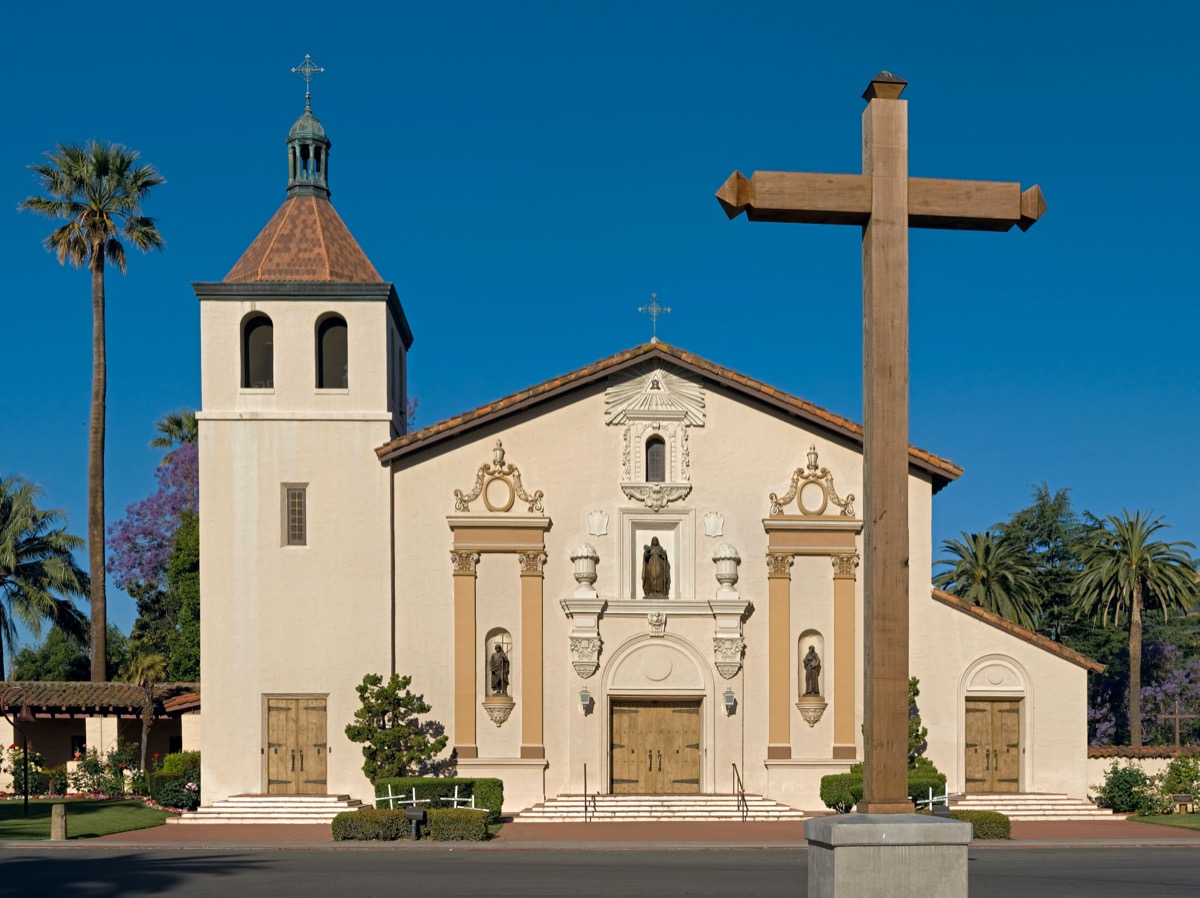
In one residence hall at Santa Clara University in California, students who've never met keep reporting the same two sounds in empty rooms above them: furniture dragging, and marbles rolling. They call the presence Buddy. The dorm sits on ground that held Ohlone burials.
At Santa Clara University in California, students in McLaughlin-Walsh residence hall keep reporting a presence they call Buddy. They describe him the same way across years that never overlapped — kids who don't know each other, who weren't here at the same time, telling the same story.
It's two sounds, mostly. Furniture dragging across the floor of an empty room overhead. And marbles rolling, somewhere with no marbles. "A lot of people say it sounds like furniture moving upstairs," says Matt Smith, a campus ministry staffer who served as a resident minister in Walsh. Others hear what sounds like marbles dropped and rolling across boards. Residents picture Buddy as an American Indian child, and they've been picturing him that way for generations.
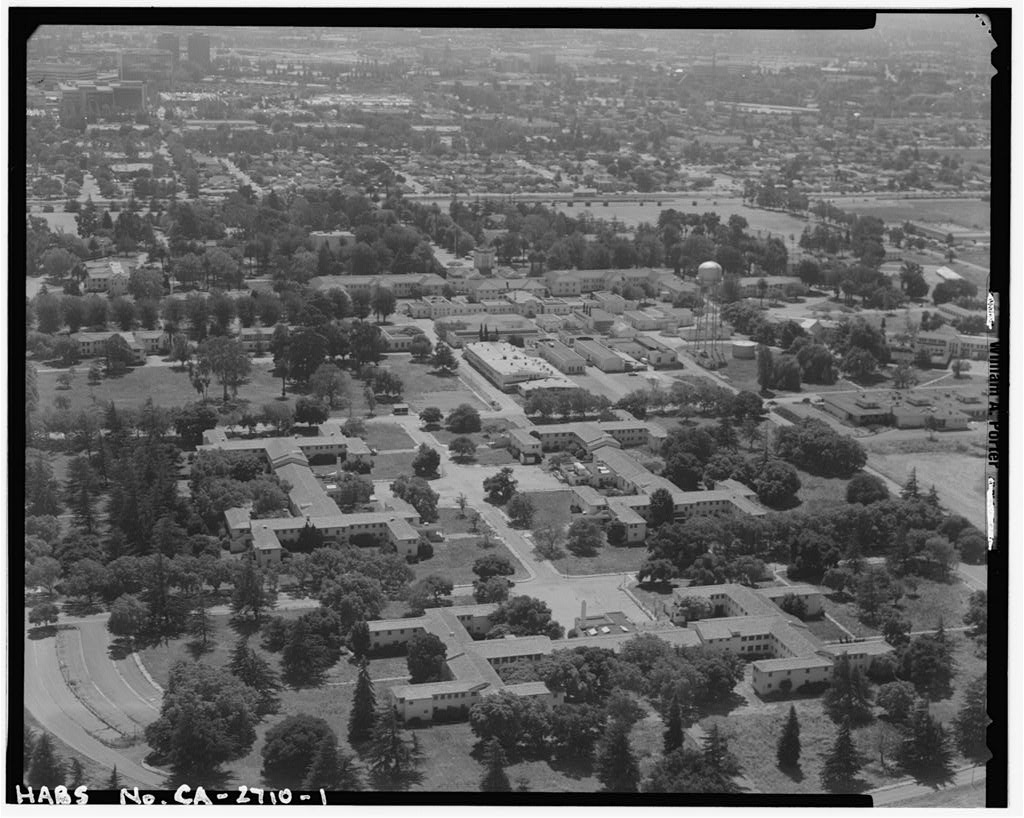
The reason that image stuck is in the dirt under the dorm. The campus was built over Ohlone burial ground, and the university's own archaeologists keep pulling bodies out of it. Near Kenna Hall and Walsh, diggers unearthed more than 20 burials dated to roughly 400 B.C. through A.D. 800. Other graveyards on campus are thought to hold a thousand bodies, two thousand in another. Students connect the child upstairs to the ground he's lying in.
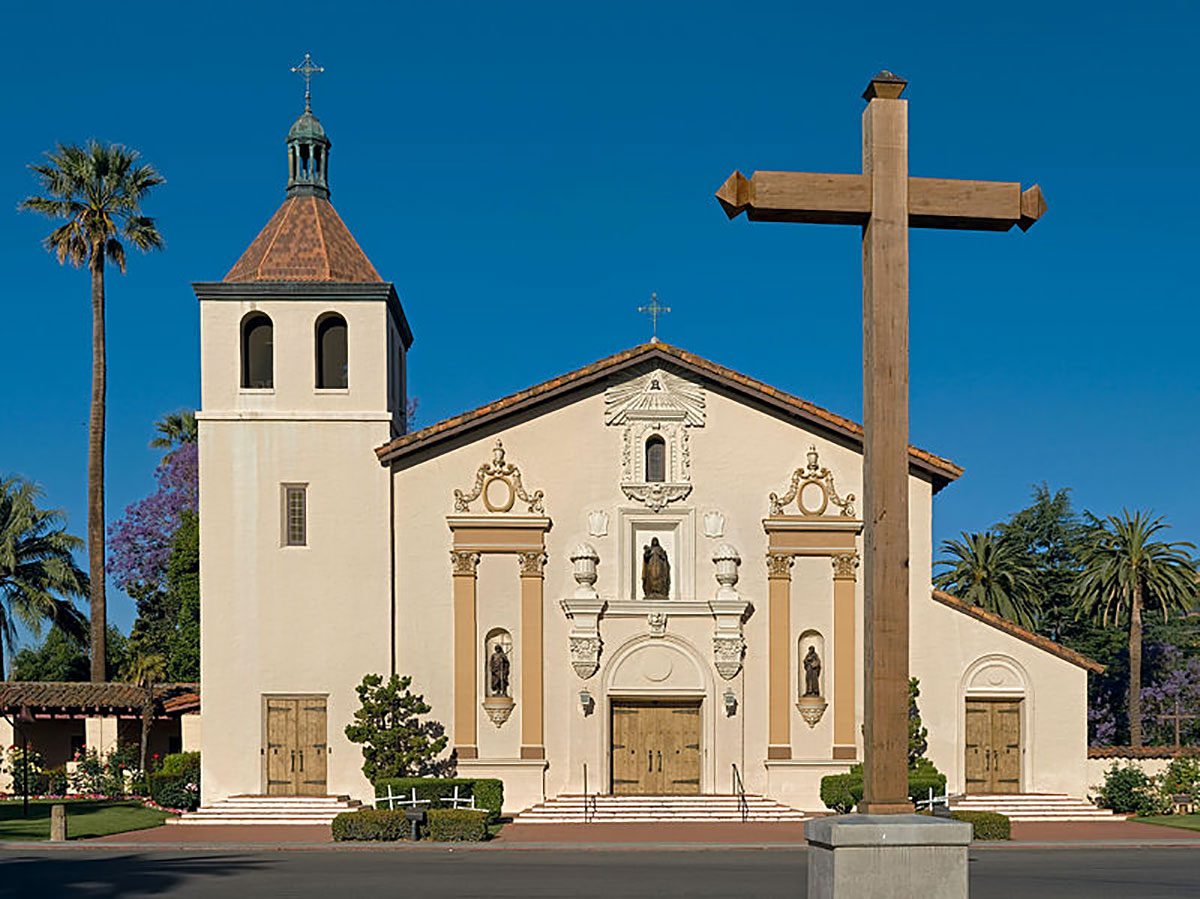
The mission that started all this was founded in 1777, the eighth of California's 21, and the Jesuits took it over in 1851. The campus has grown over the dead ever since, and the dead are still close to the surface. Every new foundation seems to turn up another one.
There's another figure they tell about — robed shapes near the bell tower after dark. The padre most tied to the place is Magín Catalá, "The Holy Man of Santa Clara," who served from the mid-1790s until he died in 1830. He was reputed to rise off the ground when he prayed. "Before he died, there were accounts that he would levitate," says campus archaeologist Russell Skowronek. After a 1926 fire, Catalá's remains were sealed behind a marble plaque in the rebuilt church.
Later, someone went looking for them. "No one knows what happened to Father Catala," Skowronek says.