At The Music Hall in Portsmouth, New Hampshire, patrons describe the heavy stage curtain bowing outward and rippling as though someone were walking behind it, then settling with the stage found empty. The town held this ground for a prison as far back as 1715.
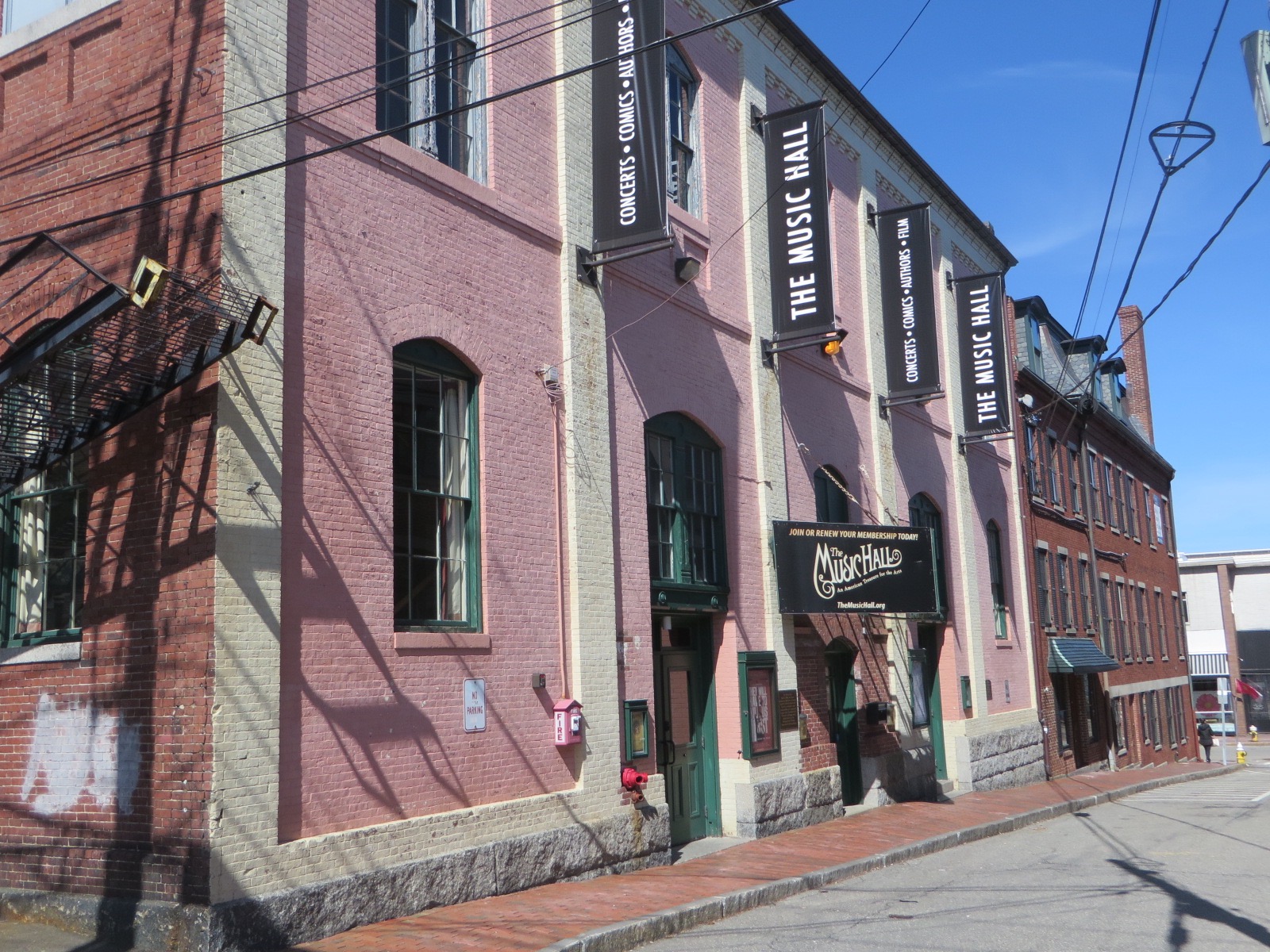
At The Music Hall in Portsmouth, New Hampshire, the thing people describe is the curtain. They watch the heavy stage drape bow outward and ripple, the way it would if someone walked behind it, the fabric dragging along and then settling back into place. When the stage gets checked, no one is there. Visitors and tour guides are the ones who tell it; the theater itself doesn't put a name to the figure.
It is one of the oldest operating theaters in the country, an 895-seat house at 28 Chestnut Street that opened in 1878 and never stopped running shows. Mark Twain read here. John Philip Sousa played here, and so did the Barrymores. It showed its first moving pictures in 1898, one of the earliest places around to do it. Frank Jones, the Portsmouth beer baron, bought the place around 1901 and dressed it in the ornate proscenium arch and opera boxes the restoration still chases today. It survived a fire, a renaming, and a near-demolition for condos in the 1980s before a group called the Friends of The Music Hall pulled it back. In 2003 the National Park Service named the Historic Theater an "American Treasure."
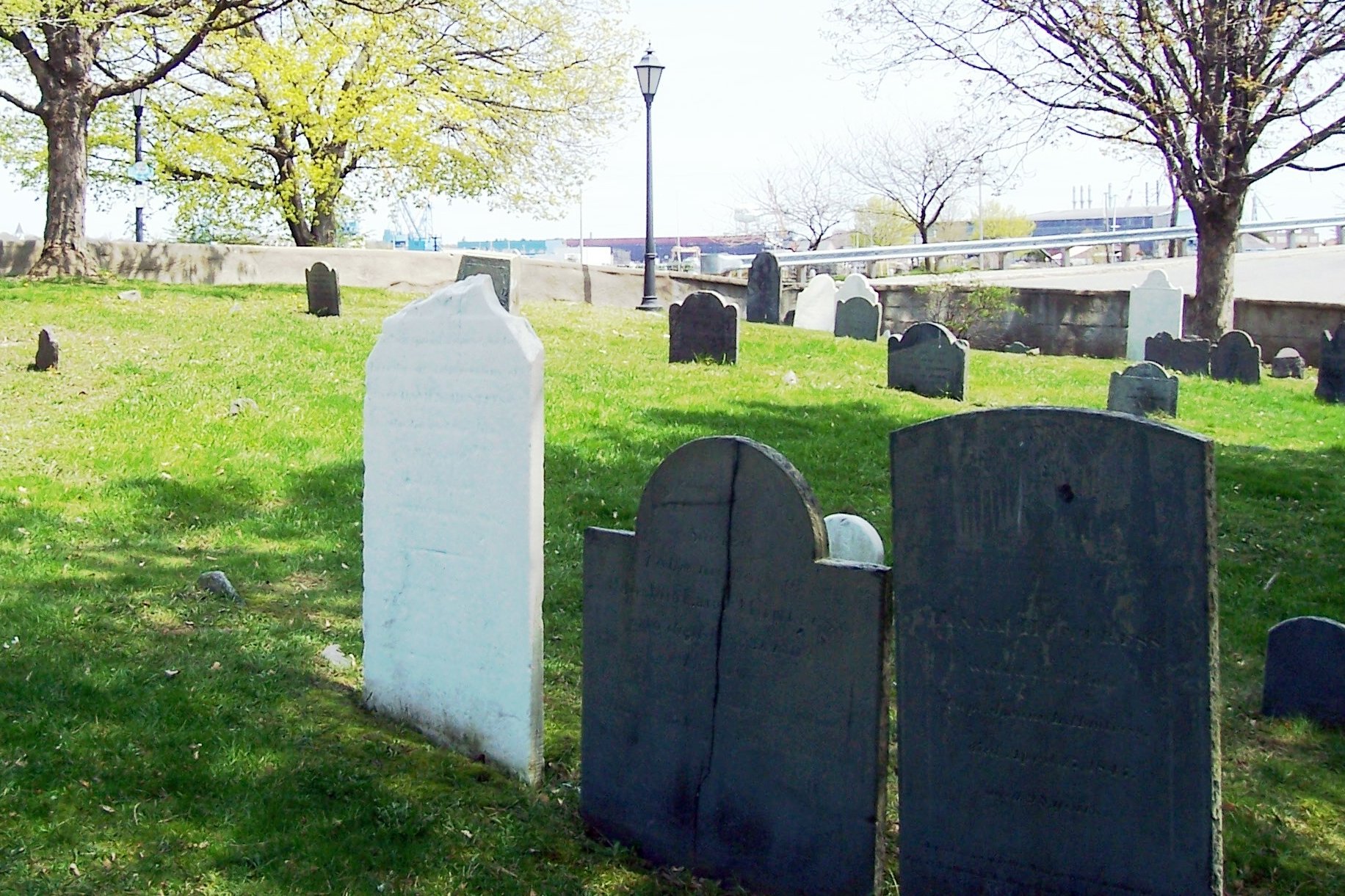
The dark part is what the ground used to be. Long before the gilded interior, this stretch of Chestnut Street was something else entirely. A Portsmouth Athenaeum record puts it plainly: "In 1715 the site was retained by the town for a prison." By the venue's own telling, the spot also held an almshouse, a poorhouse for the people the town had nowhere else to put. The theater that draws crowds tonight sits on the buried footprint of a colonial jail and the place the town sent its poor to die.
So the ghost-tour operators who stop here tie the activity straight to that dirt. US Ghost Adventures hangs it on "the almshouse horrors and prison punishments that created the backdrop for the theater's 'unwelcome guests.'" It names "the terrifying bearded figure who makes his presence known when the lights dim and laughter fades, and the shadows that drift through the music hall's corridors." On a walking tour, the Music Hall is the stop, one guide says, "where you will hear about the ghosts that insist 'The Show Must Go On!'"
A gilded Victorian opera house, thriving for nearly 150 years, built over the footprint of a jail and a poorhouse. And a curtain that keeps moving when there's nothing behind it.