At the John Paul Jones House in Portsmouth, New Hampshire, a pale woman watches the harbor from an upstairs window, and people on the sidewalk still look up. Ghost lore reads her as Sarah Purcell, the widow who ran the place as a boarding house and waited for ships that never came.
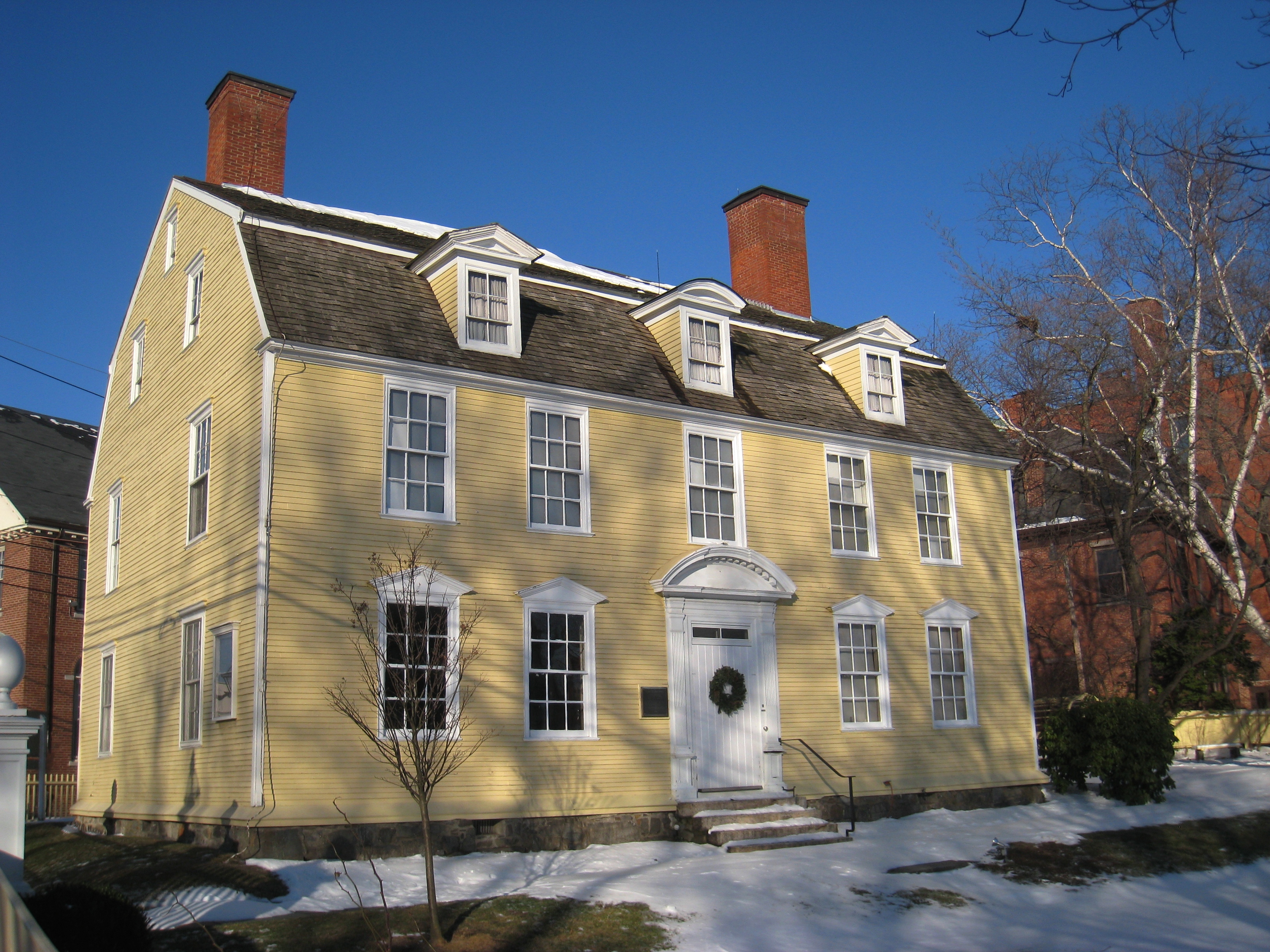
At the John Paul Jones House in Portsmouth, New Hampshire, a pale woman watches the harbor from an upstairs window, and people on the sidewalk still look up. Witnesses describe a wistful figure in period dress, gazing out toward the Piscataqua. Docents and ghost lore read her the same way: Sarah Purcell, the widow who waited.
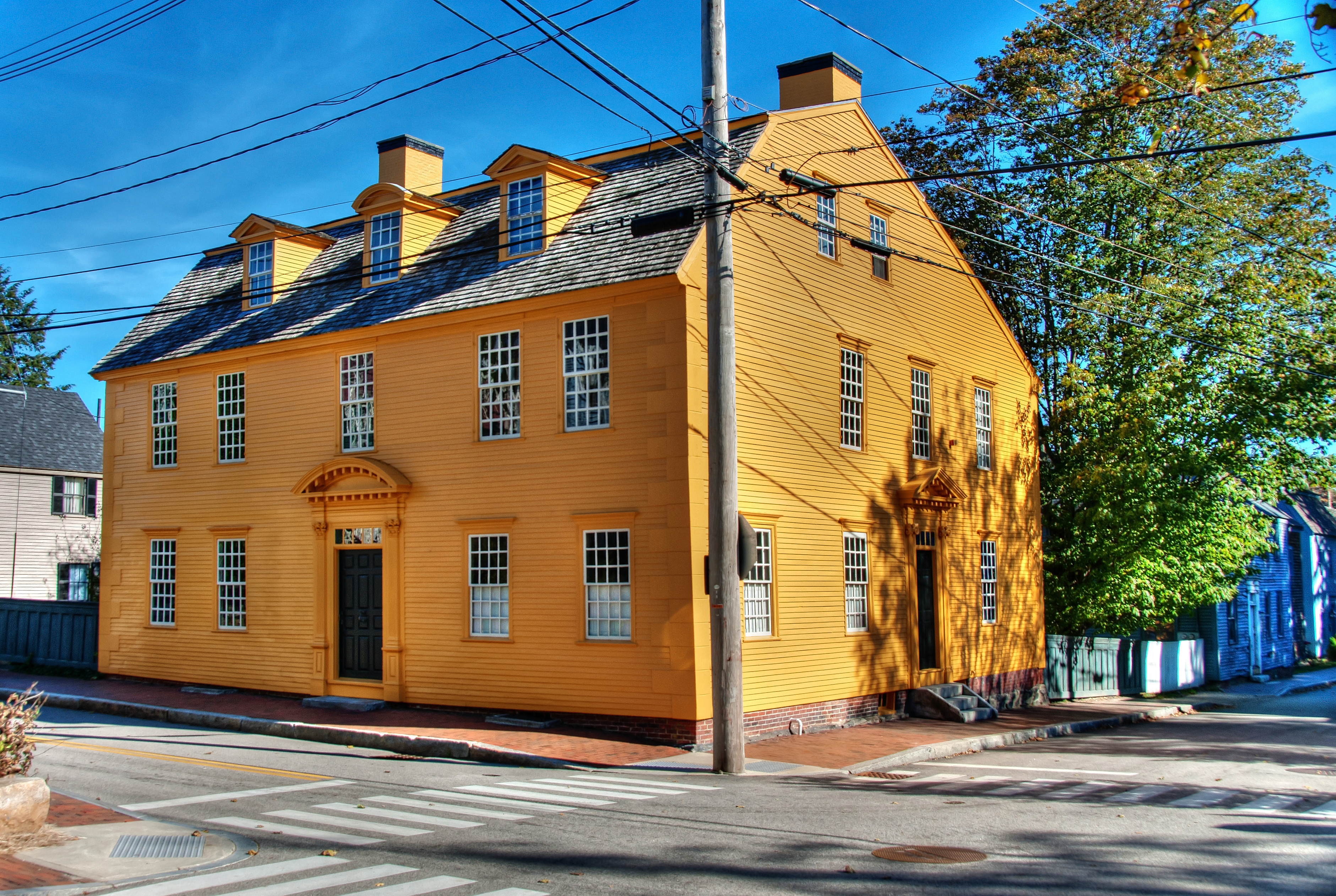
The yellow gambrel-roofed Georgian at the corner of Middle and State was built in 1758 for the sea captain Gregory Purcell, by a master housewright named Hopestill Cheswell, one of the Portsmouth area's successful African-American builders. Inside, the rooms still flank a central hall with its original Georgian molding and carved woodwork. Purcell died in 1776. His widow Sarah turned the house into a boarding house and ran it until her own death in 1783, taking in lodgers while she watched the water for men and ships that didn't return.
Her most famous lodger gives the house its name. John Paul Jones, the Revolutionary War naval hero, rented a room on the second floor while he oversaw the building of his warships on Badger's Island in the river. He boarded here while the *Ranger* went up, and again from 1781 to 1782 for the ship *America*. His room was the one on the right-hand, southeast side of the house.
And here the haunting splits. The Historical Society's docents lean toward Gregory Purcell as the man Sarah waits for at the glass. The paranormal crowd leans toward Jones. According to Thomas D'Agostino's *Haunted New Hampshire*, a group of investigators set up in Jones's old room and reported capturing EVPs and flashlight responses from an entity that named itself as Jones, as though, two centuries on, he had moved back into the room he once rented.
Other tellings have crept in around the edges. One account describes a cabinet door that flies open in a room holding shawls. Some accounts describe a figure in 19th-century finery emerging from the attic, walking into a room, and vanishing: "you see someone coming out of the attic dressed in 19th century finery, walking into one of the rooms," one witness put it. Over roughly 90 years of museum days, staff and guides have collected their own quiet experiences.
The Portsmouth Historical Society has kept the house as a museum since 1920, and it became a National Historic Landmark in 1972. The Society's own pages stay purely historical; they don't mention the woman at the window. She keeps watching the harbor anyway, and declines to say which man she's waiting for.