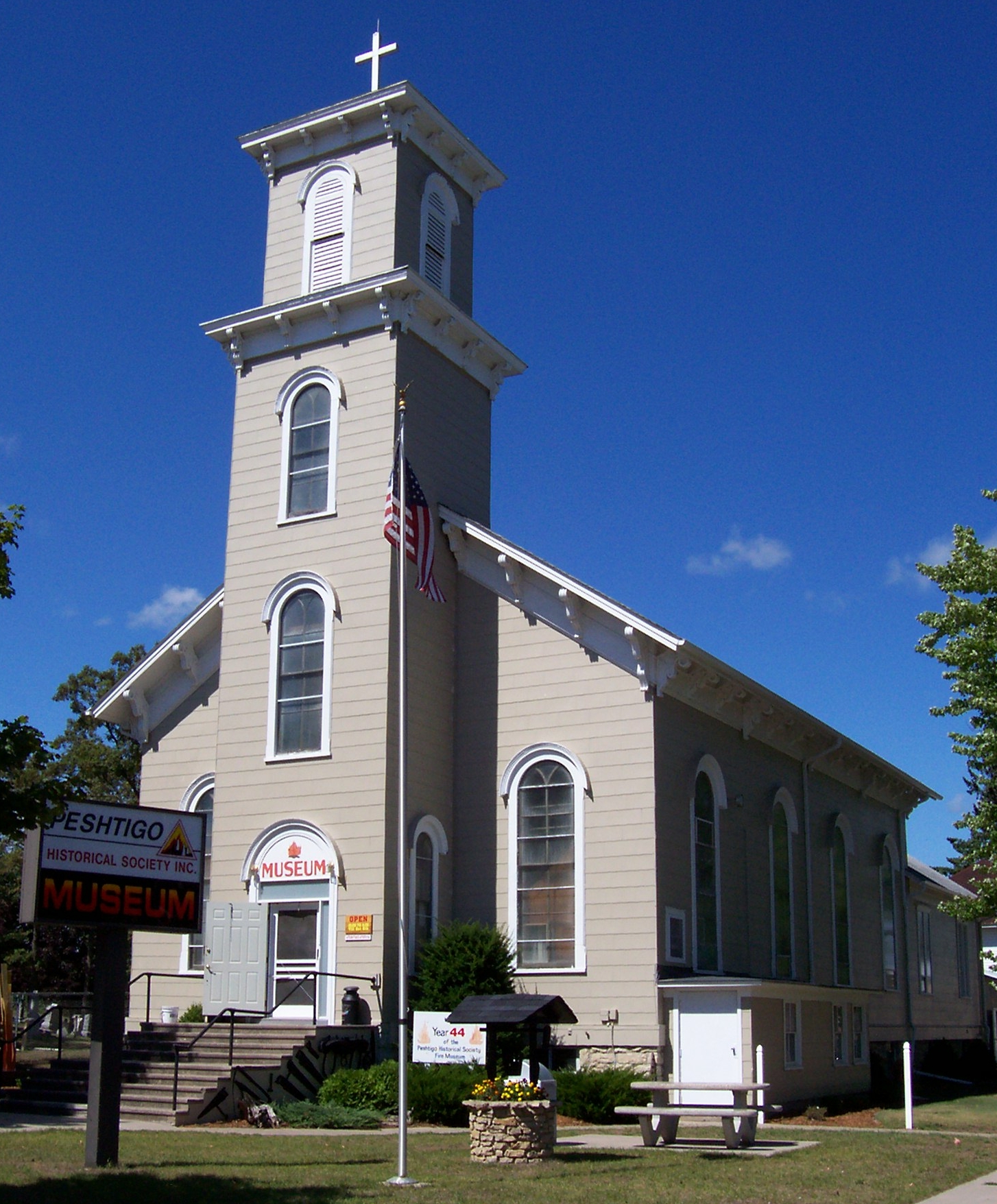
A driver once called firefighters after seeing the Peshtigo Fire Museum engulfed in phantom flames, but nothing was burning. The museum, housed in the first church built after the 1871 fire that killed up to 2,500 people, sits beside a mass grave of 350 unidentified victims.
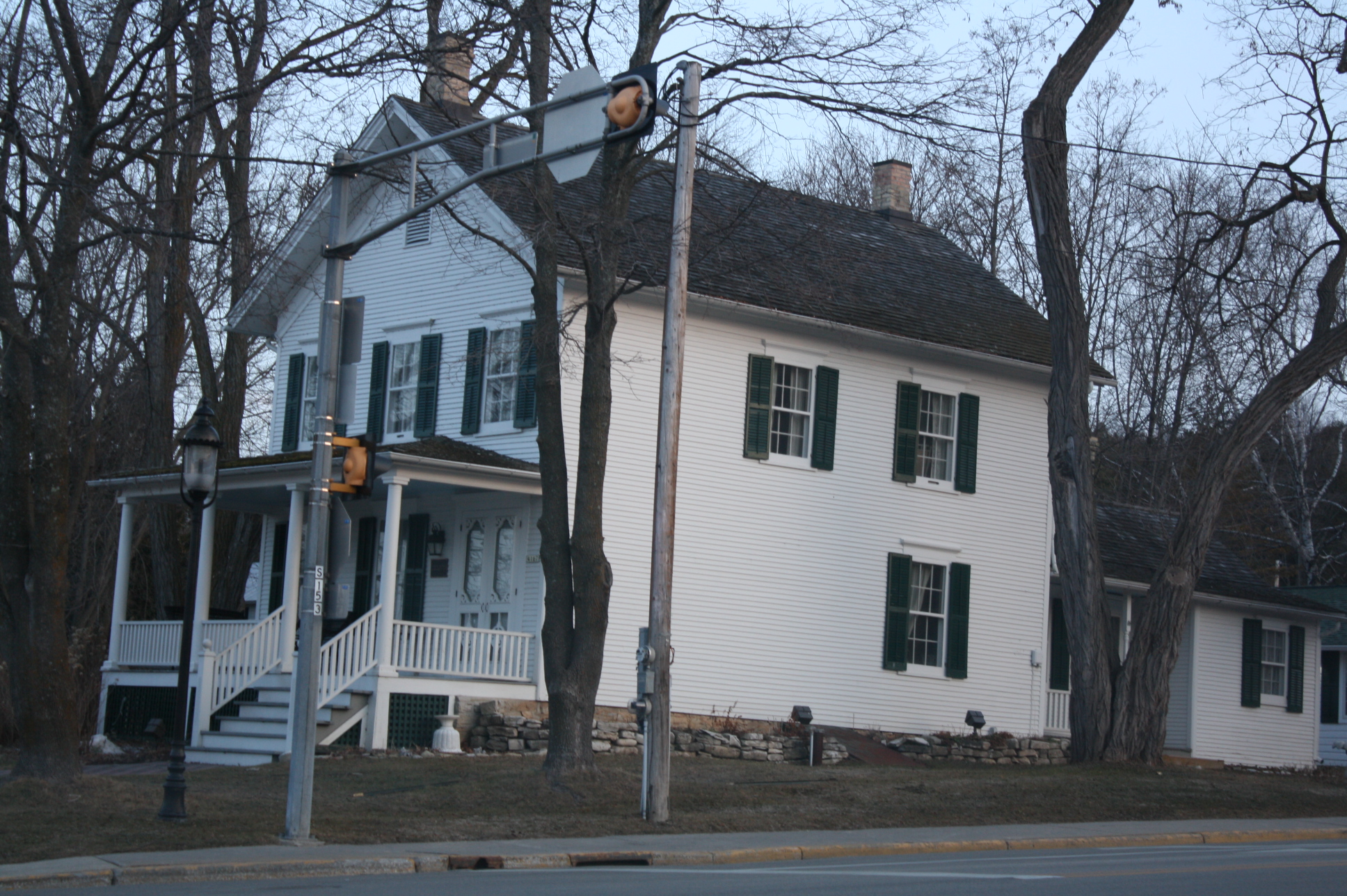
A driver passing the old church on Oconto Avenue hit the brakes and called the fire department. The building was engulfed in flames. When firefighters arrived, there was nothing burning. The church stood intact, dark and quiet. It had been standing there since 1927, when the congregation moved it across the Peshtigo River to serve as a museum for the worst fire in American history.
On October 8, 1871, a firestorm swept through Peshtigo, Wisconsin, and killed somewhere between 1,200 and 2,500 people in a single night. Eight hundred died within the first hour. The fire burned 1,875 square miles and leveled 17 communities. Reverend Peter Pernin, who survived by submerging himself in the Peshtigo River, described the air as "impregnated with an inflammable gas" and wrote about "tiny globules of fire" flying through the streets. Sixteen-year-old Helga Rockstead's long hair caught fire while she ran down the boardwalk, and the flames consumed her body before anyone could help.
The Peshtigo Fire happened the same night as the Great Chicago Fire. Chicago got the headlines. Peshtigo got a mass grave.
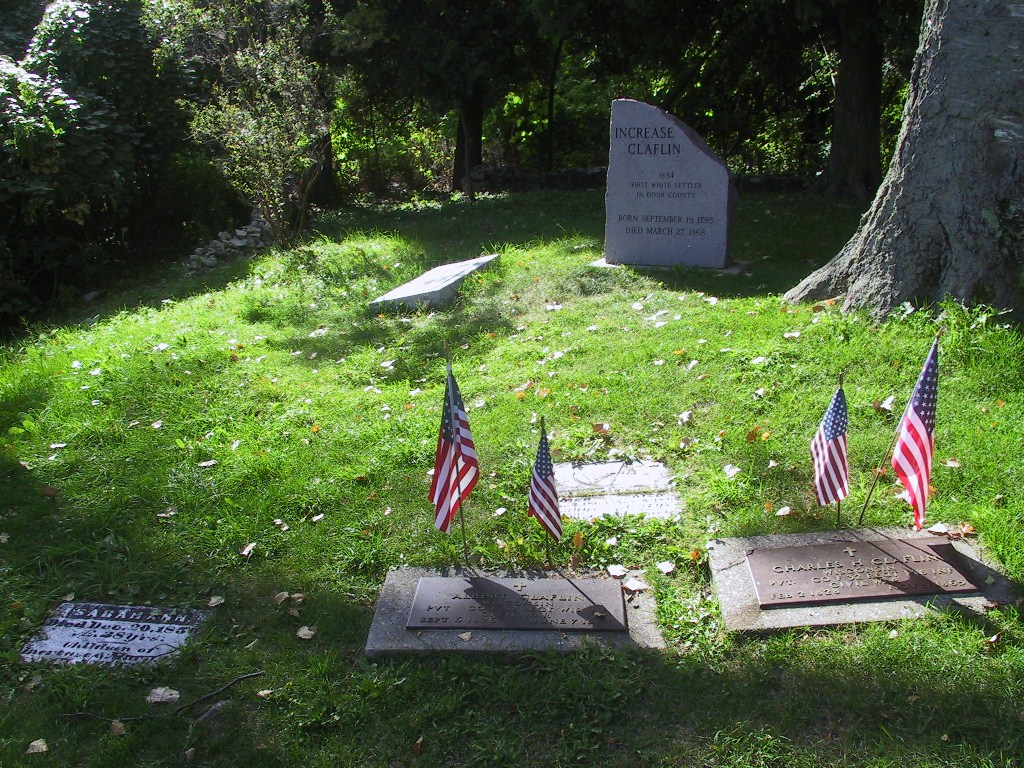
That grave sits behind the museum. It holds 350 people who burned so completely that rescue workers couldn't determine sex or age, let alone names. The state erected a historical marker there in 1951, making it the first official marker in Wisconsin. The bodies beneath it have been waiting since 1871.
Visitors to the museum have described hearing voices inside the empty building. Others have noticed the smell of smoke in rooms with no source. A few have seen figures that weren't there when they turned for a second look. The phantom flames sighting is the most dramatic claim, but it's also the most fitting. In a town that burned to nothing in an hour, the fire keeps replaying.
The strangest piece of the Peshtigo Fire story isn't the ghost reports. Multiple witnesses from three different counties described seeing what they called a demon boy riding a black stag with enormous horns through the countryside, spreading fire as he went. Other accounts mention a large black object, "resembling a balloon," that revolved above the trees before bursting "like a bombshell" and igniting a house. These weren't ghost stories told years later. They were testimonies given in the immediate aftermath.
The museum displays artifacts from the fire: melted coins, charred Bibles, a few personal items pulled from the ashes. It's a small collection. Most of what Peshtigo owned in 1871 simply ceased to exist.