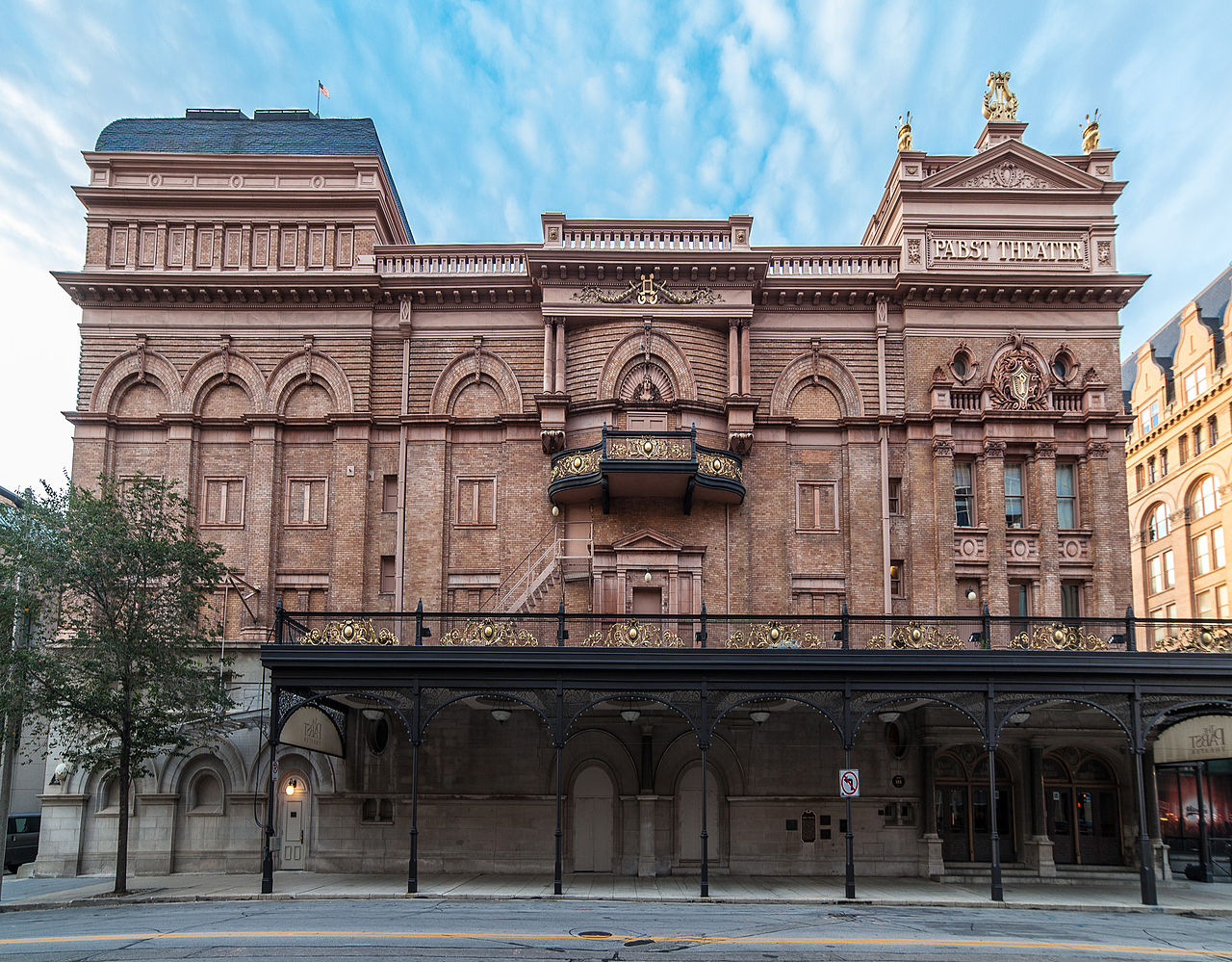
Filmmaker Michael Brown captured an EVP of a ghost named Frank during a 2015 documentary shoot at the Pabst Theater. Beer baron Frederick Pabst built the fireproof theater in 1895 after two fires destroyed the original, and staff believe his ghost protects the building he refused to let die.
Filmmaker Michael Brown pressed record on his Zoom audio recorder and waited in the dark. It was 2015, and Brown had brought his crew to the Pabst Theater in Milwaukee for a documentary called "Haunted State: Theater of Shadows." Onstage, in the empty 1,339-seat house, the recorder picked up a hiss. Then a voice. The name it gave was Frank.
Nobody knows who Frank was. He wasn't Frederick Pabst, the German beer baron who built the place in 1895. But Pabst's ghost gets the headlines anyway. After Pabst purchased the Nunnemacher Grand Opera House in 1890 and renamed it Das Neue Deutsche Stadt-Theater, an arsonist torched the building in 1893. A second fire destroyed it entirely in January 1895. Pabst had it rebuilt in six months, insisting on fireproof construction, air conditioning, and full electric lighting. The theater opened November 9, 1895. He died nine years later, in 1904, but staff and visitors say he's protective of the place he nearly lost twice to fire.
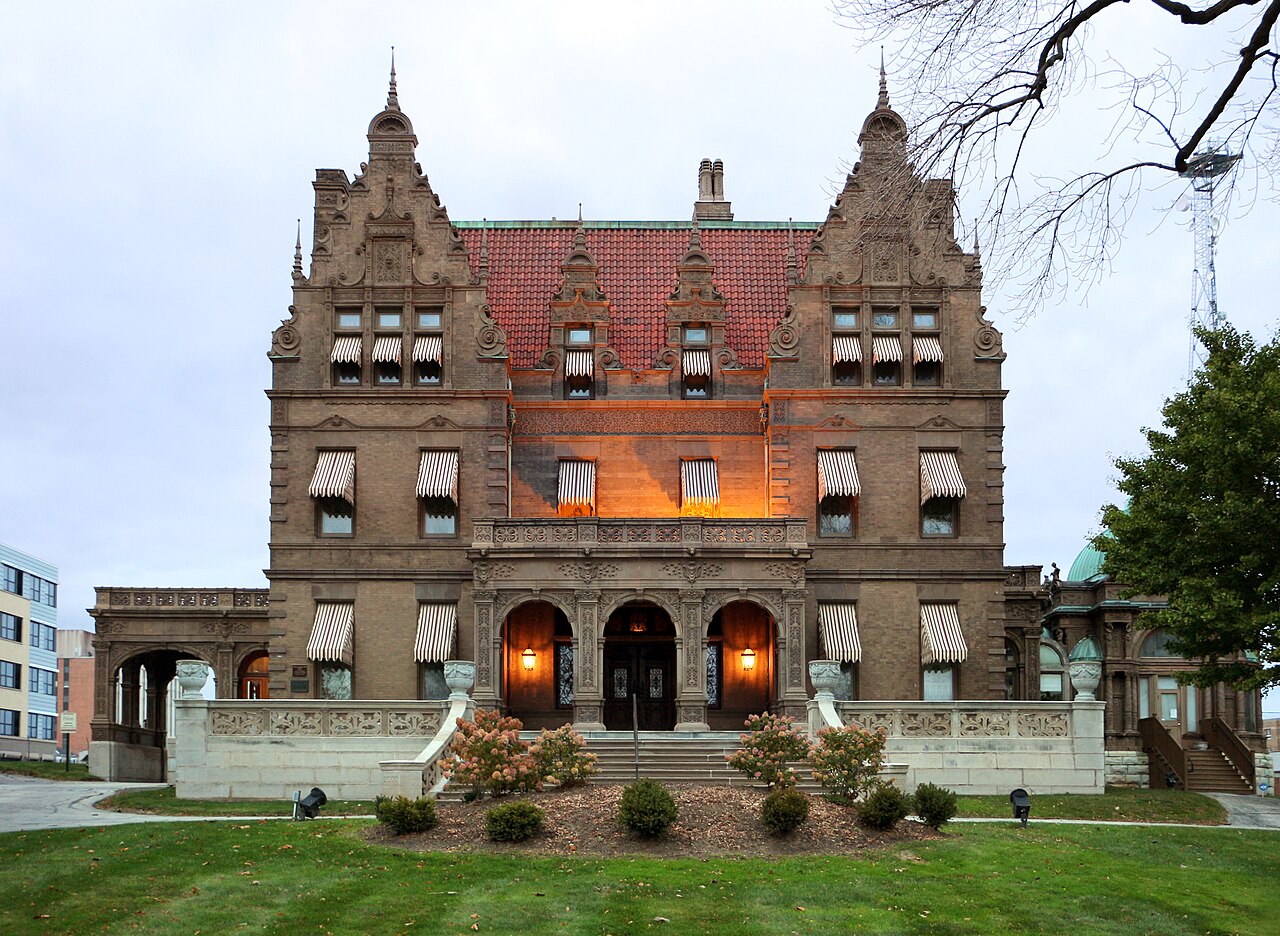
The Pabst was one of the first fully electric theaters in the country. In 1895, most theaters ran on gas lamps. Pabst spent lavishly on a building that would survive anything. The German Renaissance Revival facade, the gilded interior, over a thousand original light bulbs: all of it was designed to outlast him. The National Historic Landmark designation came in 1991, recognizing the theater's significance as one of the oldest continuously operating theaters in the United States.
Brown's documentary captured more than the Frank EVP. His team recorded unexplained sounds throughout the building. Objects shifted positions between setups. "It was amazing what happened there," Brown said afterward. The specifics got thin after that quote, though. Most of the Pabst's ghost reputation runs on atmosphere and longevity rather than a catalog of documented incidents.
Which is fine. The Pabst Theater doesn't need a ghost to be haunting. The building survived two fires, a century of shifting entertainment tastes, and the wrecking ball that claimed dozens of Milwaukee's other historic theaters. Frederick Pabst bet his money on a fireproof palace for German opera in a city that would eventually stop speaking German. The palace survived. The language didn't.
The Pabst Theater Group now runs ghost tours each fall through both the Pabst and its sister venue, the Riverside Theater. The Riverside, a 1928 movie palace down the street, has its own ghost stories and might actually be more actively haunted. But the Pabst has the name, the history, and the stubborn survival story. If Frederick Pabst is watching over anything, it's a building that refused to die in a city that tried to let it.