The Oregon State Hospital in Salem still treats patients. In 2004 a senator opened a storage room and found more than 3,500 copper urns of unclaimed cremated dead — names the institution had lost for most of a century, and is only now giving back.
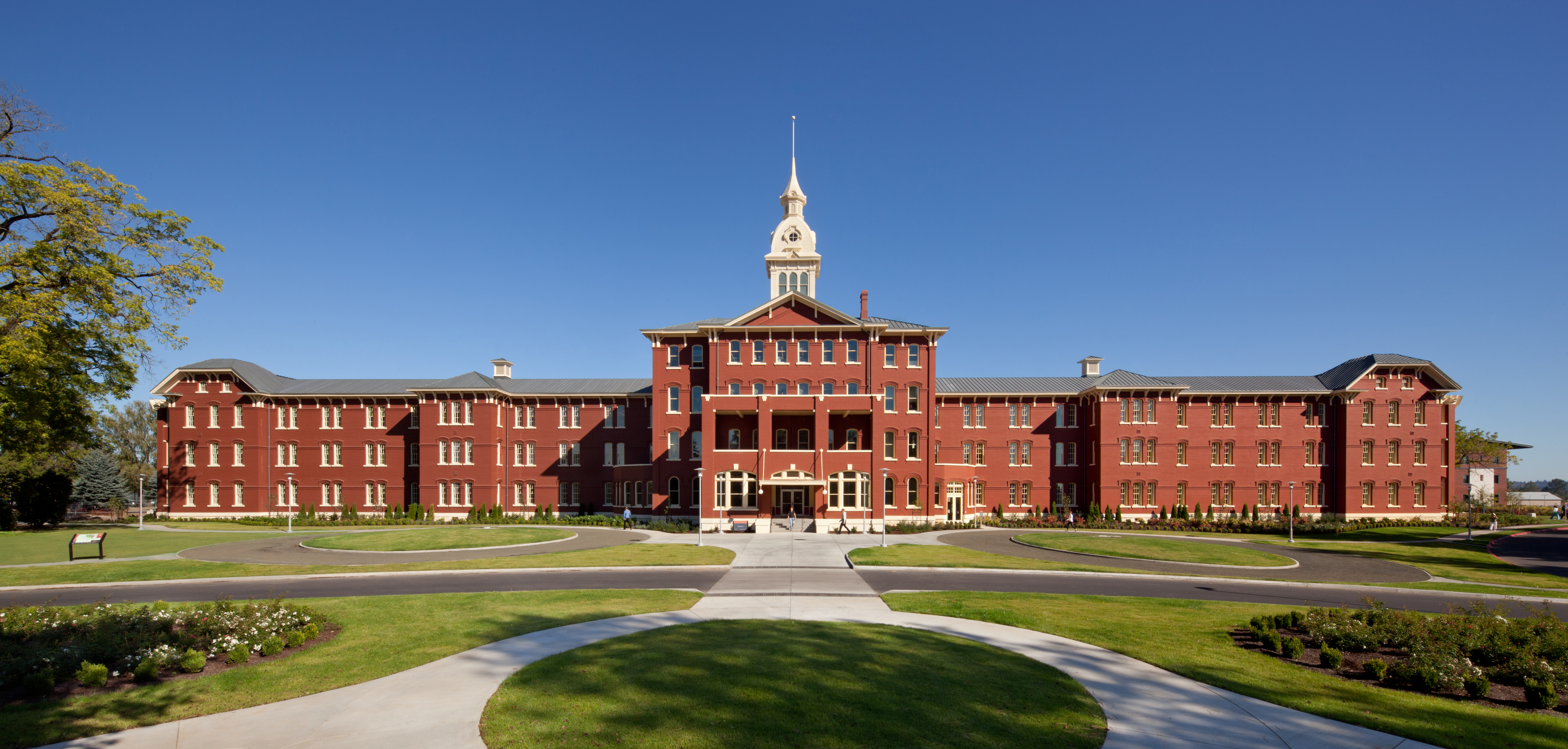
The Oregon State Hospital in Salem has treated patients since 1883, and it treats them still. In 2004, Senate President Peter Courtney was touring the building when he opened a storage-room door and found the dead.
More than 3,500 copper canisters sat on plain pine shelves, stacked three deep. Each one held the cremated remains of a person who had died at the hospital and never been taken home. Some had corroded. A few were leaking. Courtney called it the Room of Forgotten Souls.
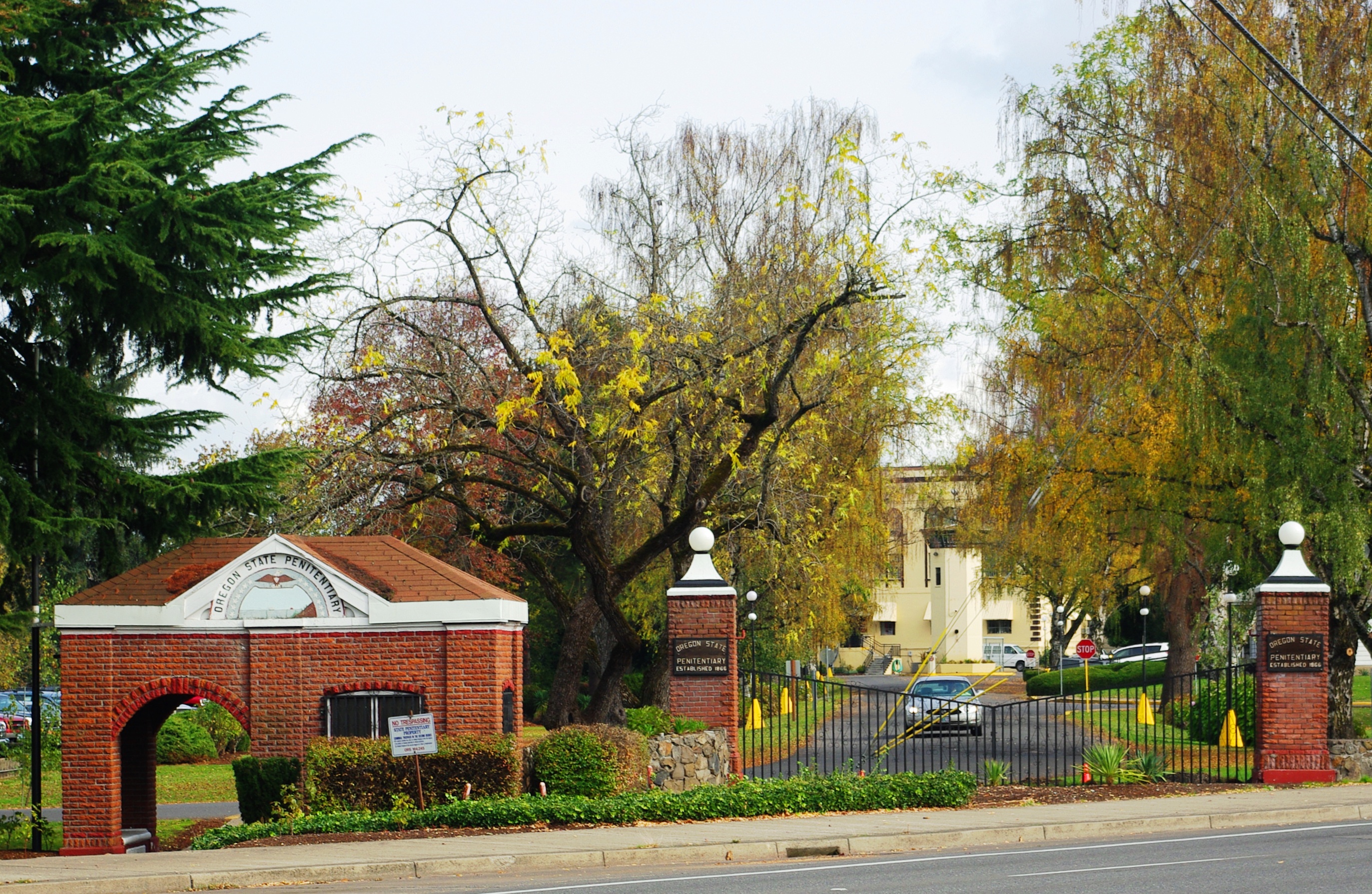
The names belonged to people who died between 1913 and 1971, and not all of them were psychiatric patients. The urns had gathered the cremated dead of half a dozen other Oregon institutions too: a tuberculosis hospital, the state penitentiary, a training school, a hospital or two more. Anyone the state burned and no family ever claimed ended up on those shelves. Officials later estimated that roughly 1,500 sets of remains had been lost outright over the years.
Two years after the discovery, two editorial writers at The Oregonian won a Pulitzer Prize for a series on the hospital's neglect. They called it "Oregon's Forgotten Hospital."
In 2014, the state built a memorial on the grounds, and the design does something strange. The original ashes were moved into new ceramic canisters and sealed inside a columbarium wall. When a family claims a set of remains and takes them home, the urn is lifted out and a hollow brass tube put in its place. The wall was built to grow more transparent over time. The emptier it becomes, the more of its work is done.
A volunteer genealogist named Phyllis Zegers has spent years finding the descendants, one name at a time, and had reunited 699 sets of remains with families by 2021. "These people weren't just their mental illness or their disability or their crime," she said. "They were real people with families and lives."
There are ghost stories, of course. Footsteps in the vacant wards, doors that open on their own, cries said to carry from rooms no one is in — the lore that gathers around any 19th-century asylum. No one's name is attached to any of it.
The footsteps are a story. The wall is not. It holds 3,423 urns, and it was built to empty itself, one brass tube at a time, as the families who never knew come to carry their dead back home.