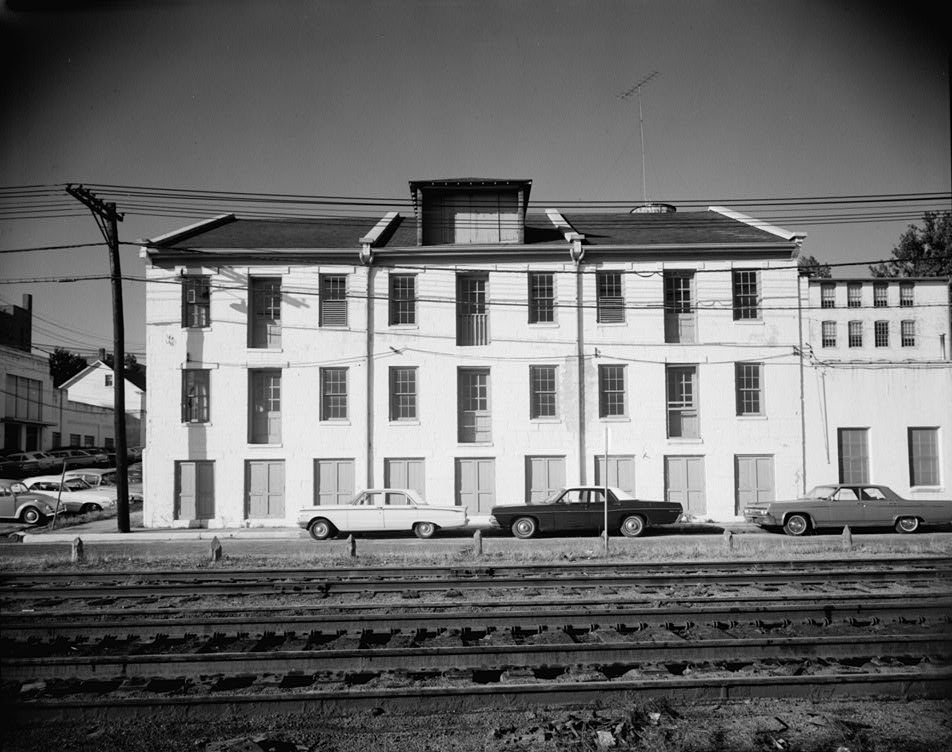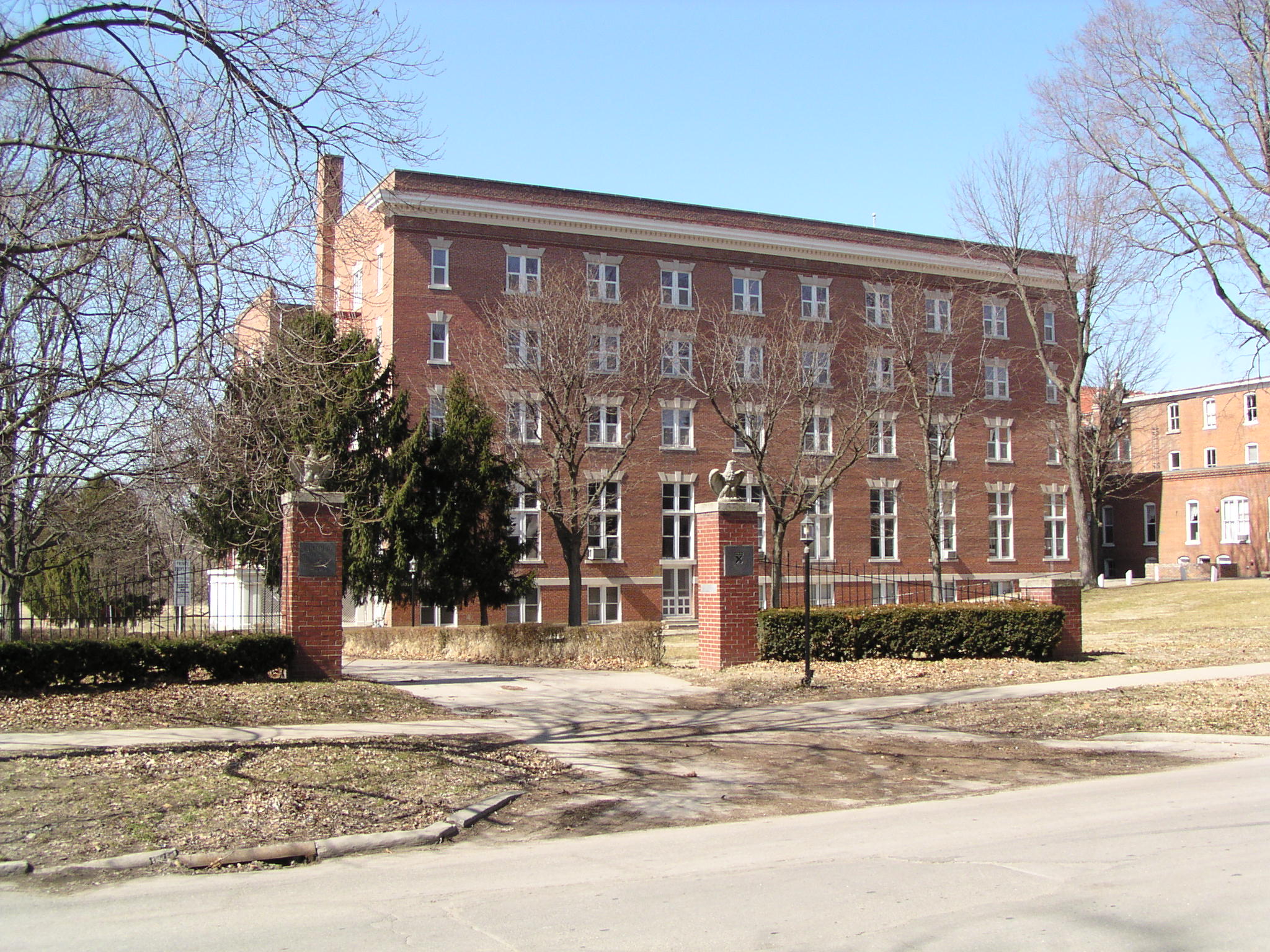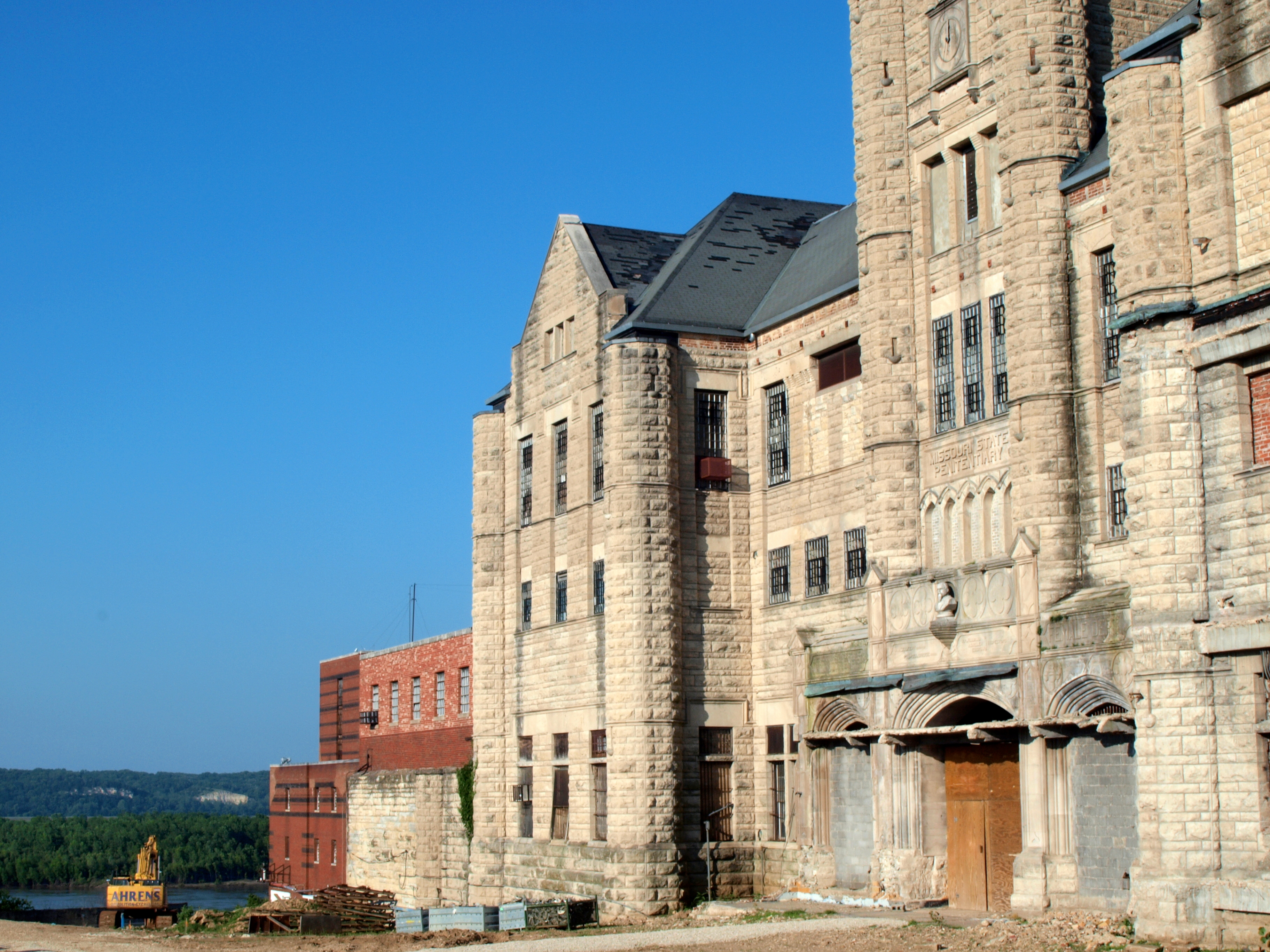
At the Missouri State Penitentiary in Jefferson City, Bonnie Heady and Carl Hall were strapped into the gas chamber side by side in 1953. Visitors to the death-row cell report cold patches, a low growl, and hands that shove the backs of their heads.
Step into the death-row cell at the Missouri State Penitentiary in Jefferson City and, the way guides tell it, something puts its hands on the back of your head. A caress first, then a shove. Visitors report cold patches and a low growl, and EVP sessions there are said to catch three words on tape: "stay," "love," "kill."
If the words belong to anyone, they belong to two people who died here together. On December 18, 1953, Bonnie Brown Heady and Carl Austin Hall were strapped into the gas chamber side by side and executed for kidnapping six-year-old Bobby Greenlease and killing him. They had demanded $600,000 in ransom, the largest in the country at the time. Heady was the only woman the chamber ever took.
The gas chamber was built in 1937, and 40 men died in it between 1938 and 1989. The first was a double, William Wright and John Brown, the cyanide released at 6:21 a.m. The prison itself ran 168 years, the oldest one operating west of the Mississippi, until it closed in 2004. Time magazine had already named it the bloodiest 47 acres in America, and the name was earned the hard way.
On September 22, 1954, two inmates faked illness to lure their guards close, took the keys, and freed the cellblocks. Nearly 2,500 men joined in. Four buildings burned, four inmates died, and one prisoner locked in solitary was tortured and killed by the others before troopers fired down from the rooftops and the last men surrendered. Not one inmate got out. Thirteen years later, on April 23, 1967, one finally did: James Earl Ray rode out hidden in a bread box on a bakery truck, and the next spring he killed Martin Luther King Jr.
The worst of what's left lives in A-Hall, the oldest building, its stone cut on-site by convicts in the 1860s. Underneath are the windowless isolation cells they call the Dungeon. Down there people report hands touching them, a reek of body odor from nowhere, voices, the certainty someone is standing right behind them.
A few of the dead have names. Guides describe Fast Jack, a blur in a white lab coat who worked the prison hospital and now, they say, opens and locks cell doors from the control room with no one near them. And there is the man with the ruined eyes: an inmate named John McBroom, suspected of informing, stabbed through the sockets at breakfast call. He walks the A-Hall corridors still bleeding from where his eyes were.