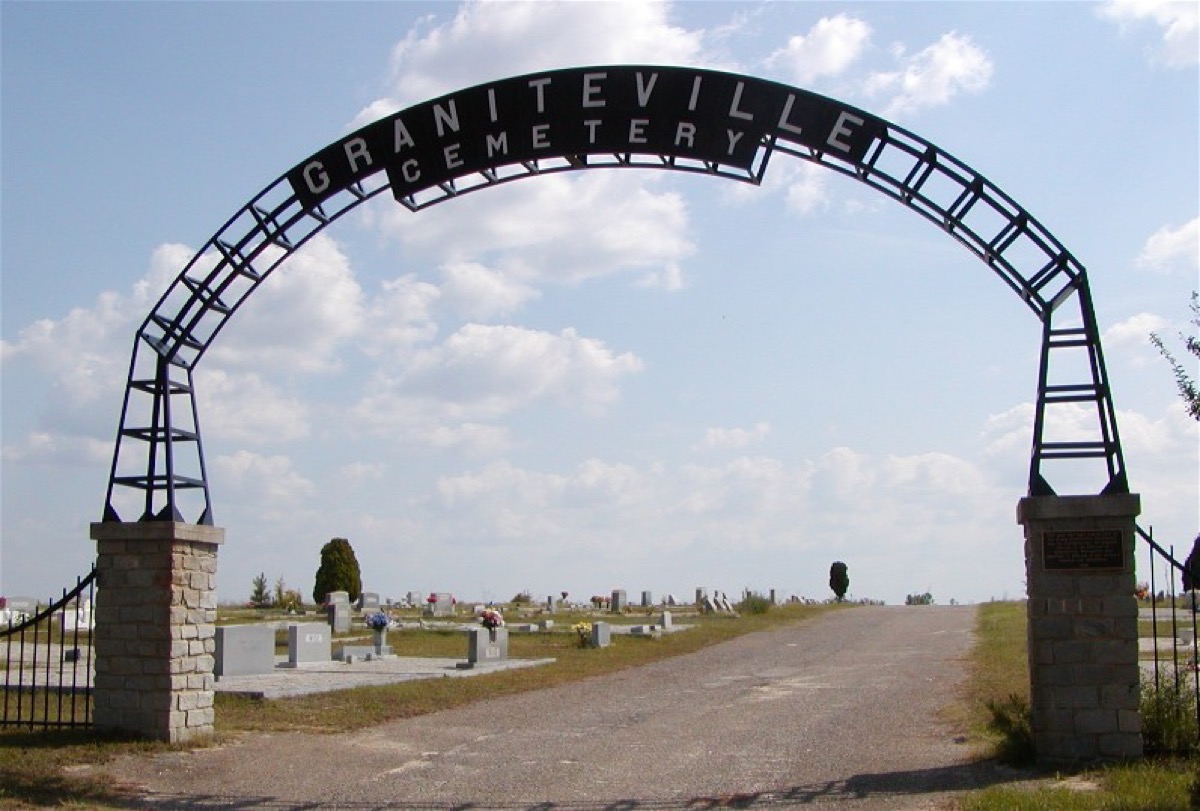
In a hidden corner of Graniteville Cemetery in South Carolina lies a grave marked only "The Little Boy." An unknown child who died among strangers in 1855, he's still tended today, some say by a small ghost seen playing with the toys left on his stone.
In the road-hidden back corner of Graniteville Cemetery, in Graniteville, South Carolina, sits a child's grave with no name on it. The headstone reads only "The Little Boy," and a date: October 1855. People say a small child appears near it, playing with the toys left along the stone.
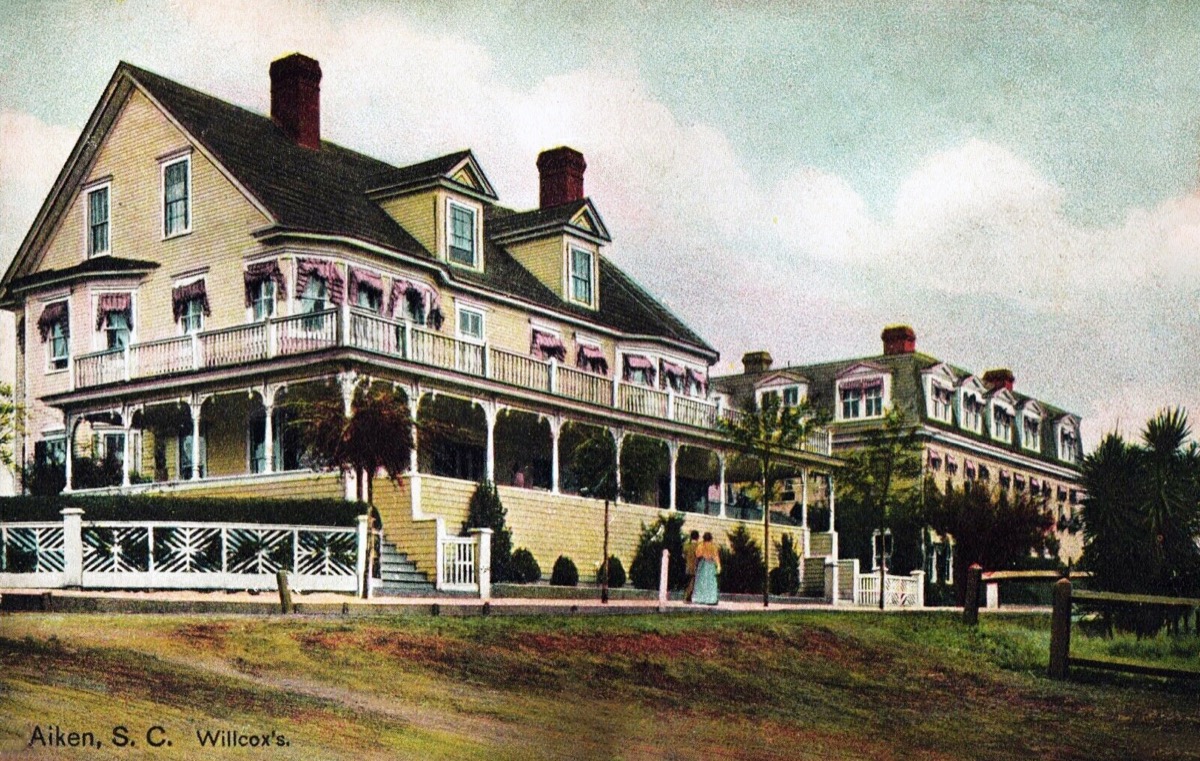
Nobody ever learned who he was. The story, kept by the Horse Creek Historical Society, goes like this. In the fall of 1855, a sick boy was riding a train alone between Charleston and Hamburg when he slipped into unconsciousness. The conductor carried him off at the Warrenville station, half a mile from town. He was taken to the Graniteville Hotel, where the keepers, Mr. and Mrs. Henry Senn, looked after him. He died a few days later among strangers, and no one ever knew his name, his family, or where he had been going.
The town buried him anyway, and buried him well. A local cabinetmaker built the casket. Neighbors donated scraps of satin and silk to line it. William Gregg, who founded the mill and the town and the cemetery itself, gave the plot. The graveyard had opened only five years earlier, in 1850; its oldest markers were cut from cedar rather than granite, and a few of those still stand.
For more than 160 years, people have left things on the grave: toys, coins, candles, flowers, all set inside a low stone wall around the front. When a reporter visited in 2016, a hand-knitted blanket covered the whole thing. The original headstone was replaced at some point, when the old part of the cemetery was restored, and many believe the offerings began around then. Nobody knows exactly when.
Even the man who gave the boy his plot didn't stay in the ground. Gregg was buried here under an obelisk in 1867. Nine years later his widow moved his remains to Charleston, and in 1926 his daughter shipped the empty obelisk back to Graniteville, where it still stands over ground he no longer lies in.
He isn't the only figure people report here. Locals tell of a woman they call the witch, who walks the cemetery at night leaving flowers on the children's graves. They describe her as gentle. The grounds have a harder side too: visitors report gunshots and screams with no source, and hands reaching up from the ground to grab at their ankles.
But the corner with the boy stays quiet. He arrived alone and left unknown, and the grave has never once been bare. A child seen playing with the toys. A woman seen leaving flowers. Both of them tending a boy nobody could name.