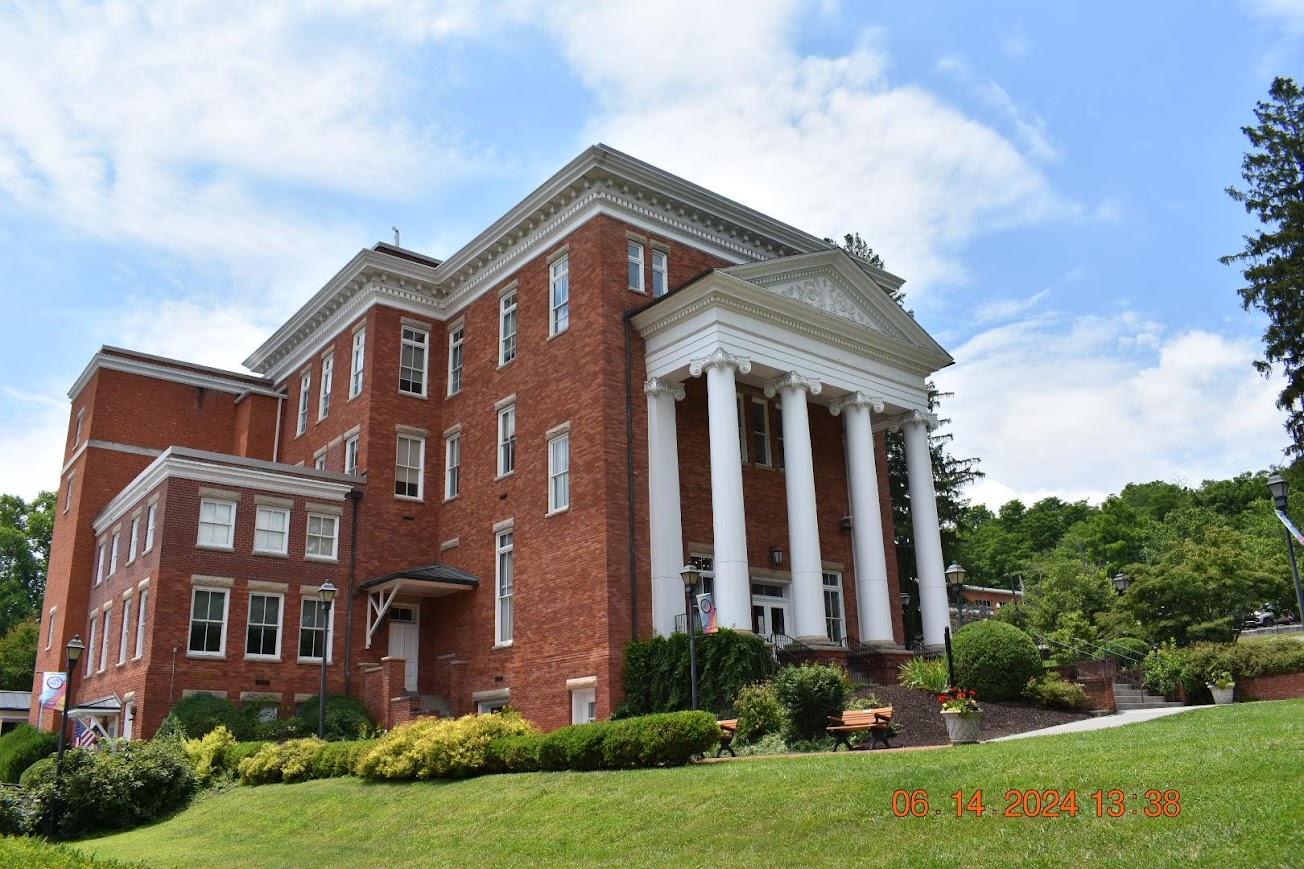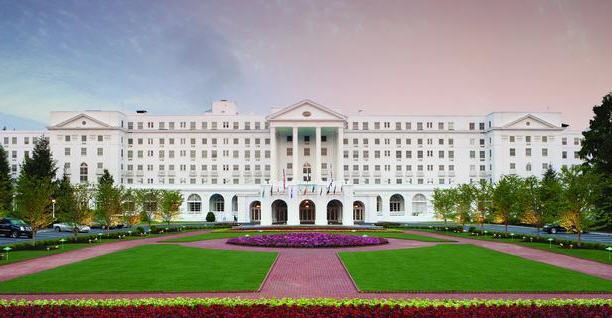
The Greenbrier in White Sulphur Springs, West Virginia spent World War II as a 2,000-bed Army hospital. Guests report a lady in black, crutches clicking at midnight, and voices in the rooms. In 2015, the Arizona Cardinals moved through its halls four at a time.
The Greenbrier in White Sulphur Springs, West Virginia is a 710-room resort that has hosted 28 presidents, and in October 2015 it had the Arizona Cardinals sleeping with the lights on. Safety Tony Jefferson told reporter Kevin Zimmerman what happened his first night in the building. "It was like a little girl voice, I promise," he said. "The lights have not been out ever since. I'm not taking any chances." He had backup arranged, too: "I got to get sang to sleep. I have my girl call me and sing me to sleep."
He wasn't alone in it. Cornerback Patrick Peterson said he was moving through the hotel four at a time, with Jerraud Powers, Rashad Johnson and Tyrann Mathieu. "When one leaves, we all leave."
Guests have been reporting versions of this for decades. Voices and strange noises in the rooms. Doors that slam shut and swing open on their own. Luggage that moves while nobody is in the room. When the Denver Broncos stayed there in September 2024, the coverage ran through the same catalog of shadowy figures and doors that open by themselves.
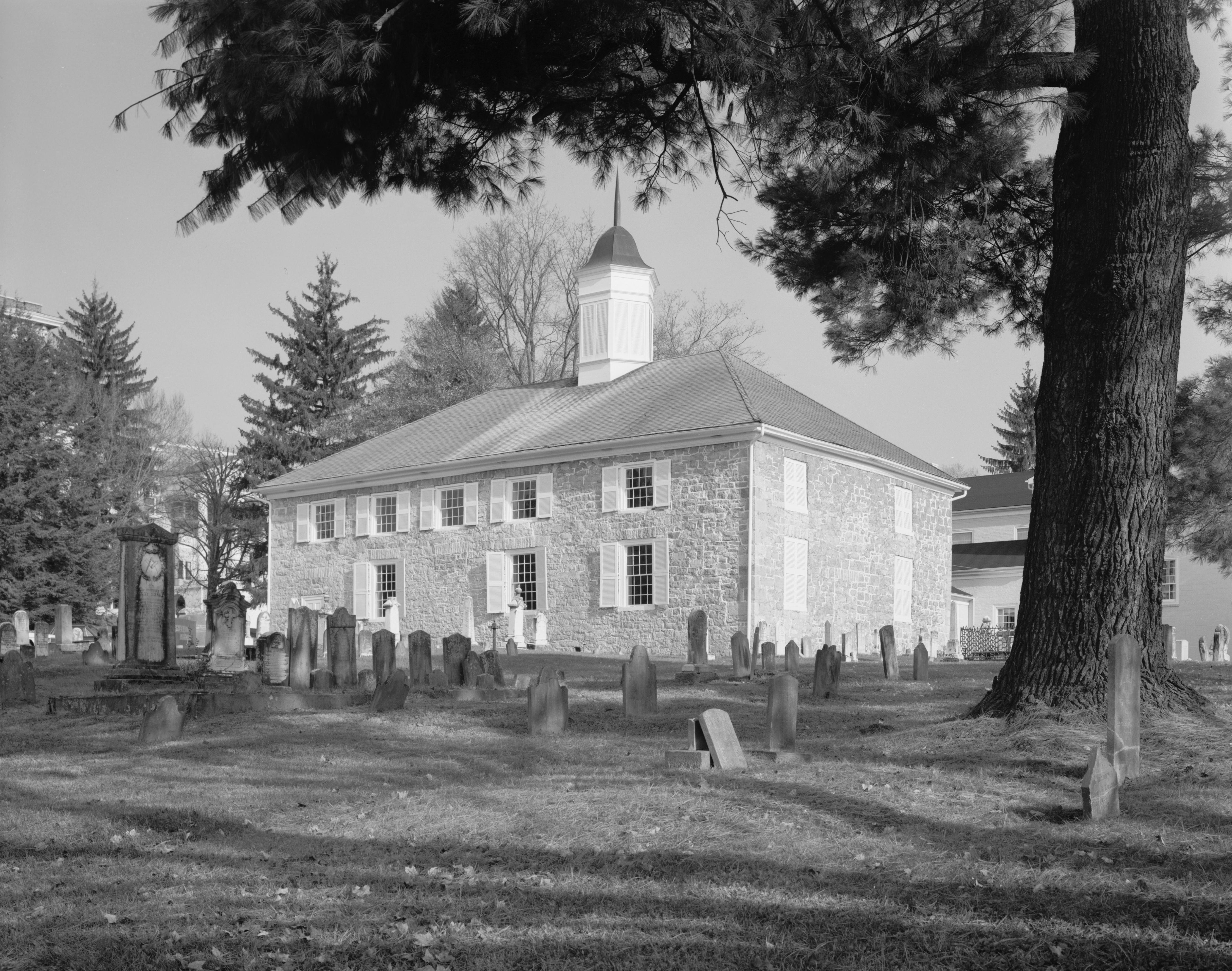
The older stories cluster around what the building was between 1942 and 1946. The Army bought The Greenbrier and 7,000 surrounding acres in August 1942 for $3.3 million and converted the resort into Ashford General Hospital, 2,000 beds for the seriously wounded. First patients arrived that November. West Virginia's state encyclopedia counts 45 doctors, 100 nurses, 200 WACs and roughly 500 civilian employees. The same entry has 700 German prisoners of war maintaining the grounds. Somewhere north of 24,000 soldiers came through in four years, though the counts don't agree.
The haunted-travel directory HauntedRooms keeps the fullest catalog of what people report in those old ward corridors, and it is specific about the hospital years: crutches clicking down the halls at midnight, nurses making rounds. The same catalog has a lady in black gliding the hallways elsewhere in the building, children darting past, and a face captured in photographs hovering above the left side of the Virginia Room fireplace. Nobody has ever named her, dated her, or tied her to a death on the property.
The resort itself says nothing. There are no ghost tours here, and the official history skips the subject entirely.
Which is worth sitting with, because this is a hotel that has proven it can hold a secret. Between 1959 and 1962 the government dug a 112,000-square-foot bunker under the West Virginia Wing to hold Congress after a nuclear strike, hidden beneath a new hotel wing going up at the same time. A front company called Forsythe Associates ran the cover, its men posing as television technicians servicing the hotel's 1,100 sets. Guests walked past blast doors 19.5 inches thick, the largest of them weighing better than 28 tons, and nobody outside knew until The Washington Post printed it in May 1992.
It kept that one for 30 years. On the lady in black, it still hasn't said a word.