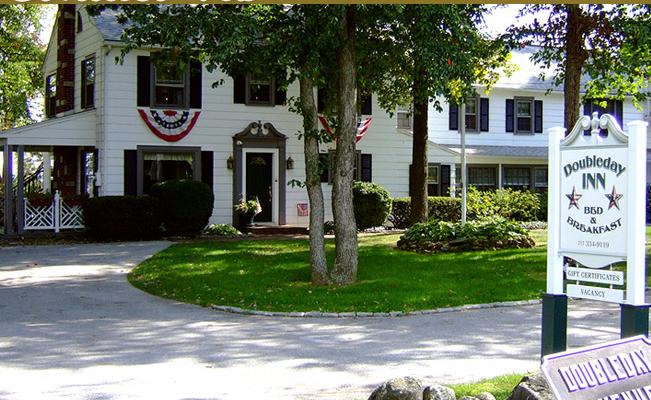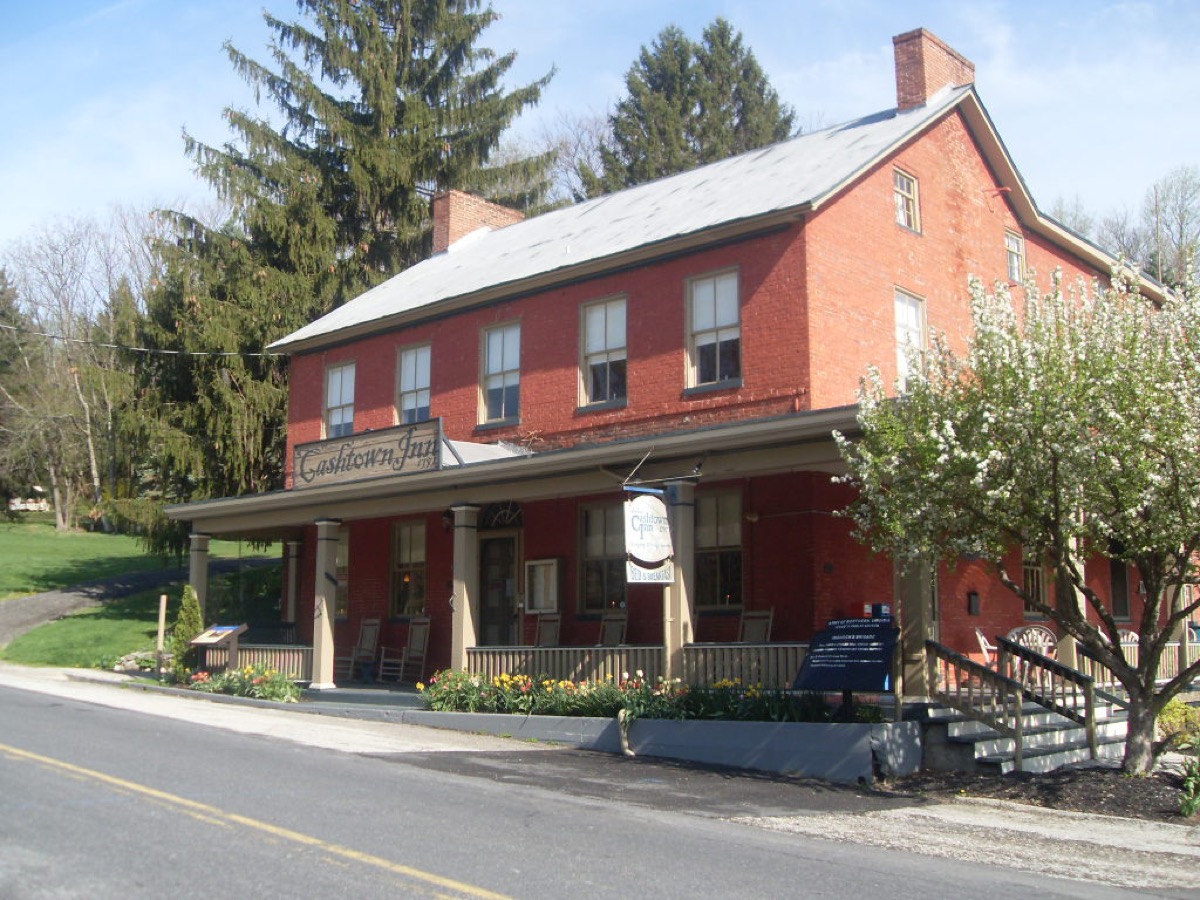
The Cashtown Inn sits eight miles west of Gettysburg, on top of what was once a Confederate field hospital. Guests report a rocking chair moving on its own and a weight pressing the mattress beside them — and the reports cluster, year after year, on July 1-3.
At the Cashtown Inn in Cashtown, Pennsylvania, the people who sleep in the A.P. Hill Room keep reporting the same two things. A rocking chair moves on its own. And a second weight presses down on the mattress beside them in the dark, as though someone has lain down in the bed. Those reports cluster, year after year, on July 1 through 3 — the original dates of the Battle of Gettysburg, eight miles east.
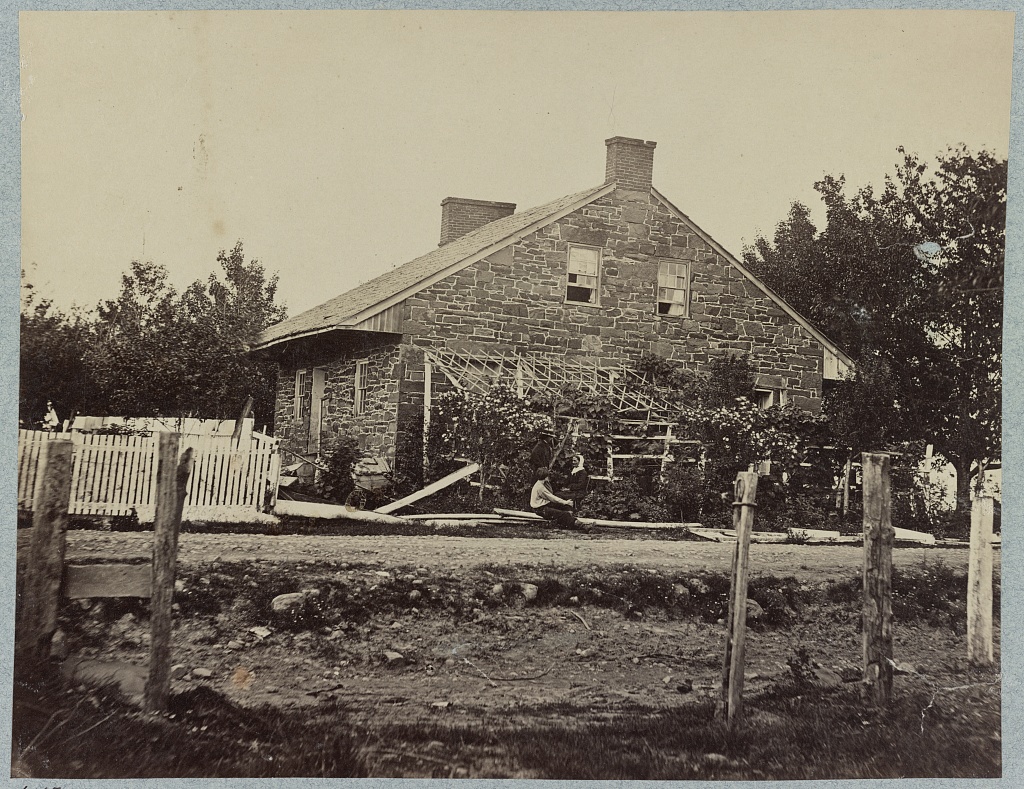
The inn started around 1797 as a stagecoach stop on the road west, built up into a tavern in the brick building that stands today. It took its name from first innkeeper Peter Marck, who insisted on cash for the goods he sold and the tolls he collected.
In late June 1863, it stopped being an inn. Lt. Gen. A.P. Hill set up his Third Corps headquarters here on June 29, nursing a chronic ailment he kept quiet about. Lee ordered his scattered army to concentrate at Cashtown, which sat on his supply line back to Virginia, and the village became an armed Confederate camp. From this spot Hill sent Heth's division toward Gettysburg on July 1, chasing a rumor that the town had a supply of shoes. They ran into Union cavalry instead, and the battle started.
When it was over, they carried the wounded back, and the inn's cellar became a field hospital. Surgeons worked through amputations down there, and local lore holds that so many severed limbs were piled against the cellar windows they blocked out the daylight.
The bed and breakfast now sits on top of that cellar, with its guest rooms named for the men who used it. A Confederate soldier is reported in the Henry Heth Room and at the downstairs bar; an elderly woman in period clothing keeps turning up in the General Lee Suite. Guests and staff report heavy boots pacing the halls, doorknobs turning, footsteps on the stairs.
In 2008, the Ghost Hunters team filmed an episode here they called "The Fear Cage." In the Robert E. Lee Room, a TV switched itself on while an investigator set up a camera. During an EVP session, Jason Hawes felt the empty couch cushion beside him sink, and Grant Wilson confirmed a cold spot in the same place. They named the episode for an EMF-heavy zone near the kitchen, on the spot where the surgeons had worked, where one investigator went nauseous and another caught a voice answering "yes."
The inn appeared in the 1993 film Gettysburg, and Sam Elliott stayed in the Lee Suite during filming. Accounts differ on how the night went for him. What guests agree on is the calendar: the worst of it comes back the same three days every July, the days the battle was fought eight miles down the road.