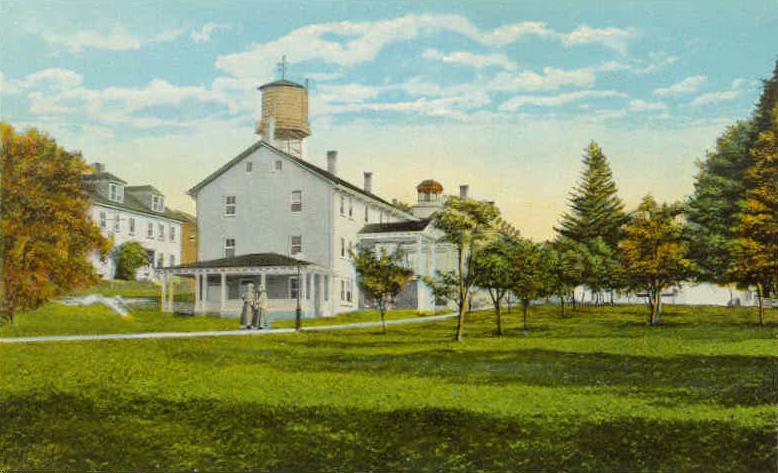
At Canterbury Shaker Village in Canterbury, New Hampshire, visitors report heavy footsteps in the empty Dwelling House and cold spots in the rooms where the last sisters died. The strange part is that the Shakers who lived here documented spirit visits of their own, almost two centuries ago.
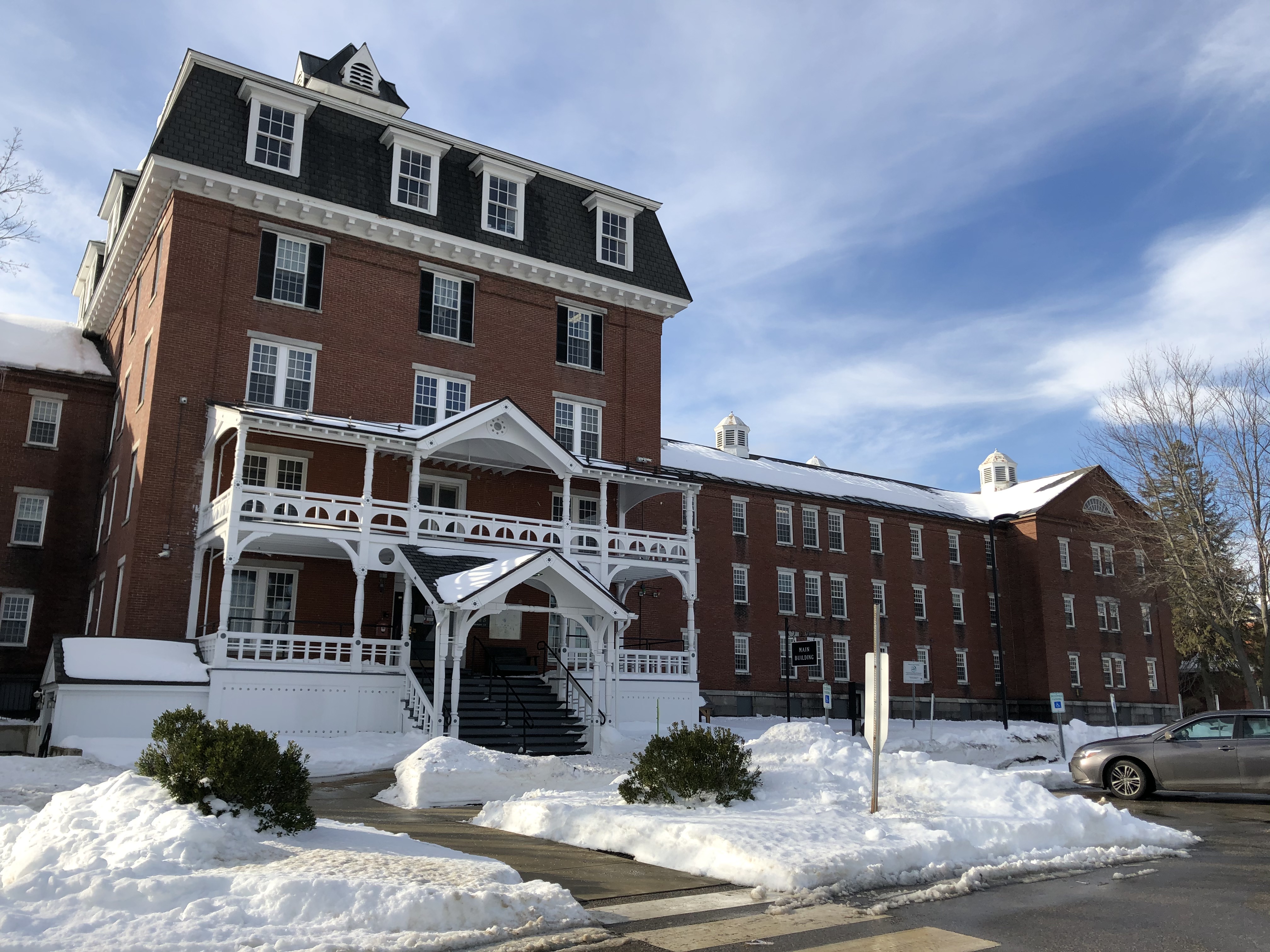
At Canterbury Shaker Village in New Hampshire, the footsteps come from the upper floors of the Dwelling House when no tour is running. Accounts describe heavy steps overhead in an empty building, sudden cold spots in the bedrooms where the last elderly sisters spent their final days, and muffled voices caught on recorders in the communal sleeping rooms. Most of it centers on two buildings: the Dwelling House and the old Meeting House.
The Shakers founded this place in 1792, on a farmer's homestead given over to 44 believers. They called it Holy Ground. At its peak in the 1850s, roughly 300 people lived and worked here, celibate, sleeping in separate quarters with separate doors and stairways for the brothers and the sisters. The Dwelling House where the footsteps are heard was begun in 1793; a chapel was added to it in 1835. The last sister in residence, Ethel Hudson, died here in 1992 at 96. It has been a museum since.
Here is the part that turns the footsteps strange. The Shakers were not bystanders to the idea of ghosts. They lived through the Era of Manifestations, a documented religious revival that began in 1837, when Shakers across America reported being visited by the dead. It started with their founder, Mother Ann Lee. Then it widened to take in the spirits of Napoleon, Pocahontas, and George Washington. Women called "instruments" fell into ecstatic visions, sang received songs, and made watercolor "gift drawings" under spiritual influence. About 192 of those drawings survive.
So when a visitor today feels the temperature drop in a sister's old room, they are standing inside a place whose own residents wrote down their spirit contact almost two centuries before.
The museum leans into exactly that. Every October it runs a "Ghost Encounters" program, staged in the actual rooms where the incidents were said to happen, and it teaches the Shaker theology of spirits before it tells a single ghost story. "Many Shakers believed spirits could offer guidance, reveal divine truths, and strengthen their communal bonds," explains education manager Kyle Sandler.
No newspaper archive or named investigation confirms the modern footsteps and cold spots; they trace to a single account, and the program's dramatized characters are theater, not documented ghosts. What is documented is older and stranger than any of it. The believers who built Holy Ground spent years insisting the dead came back to sing with them.