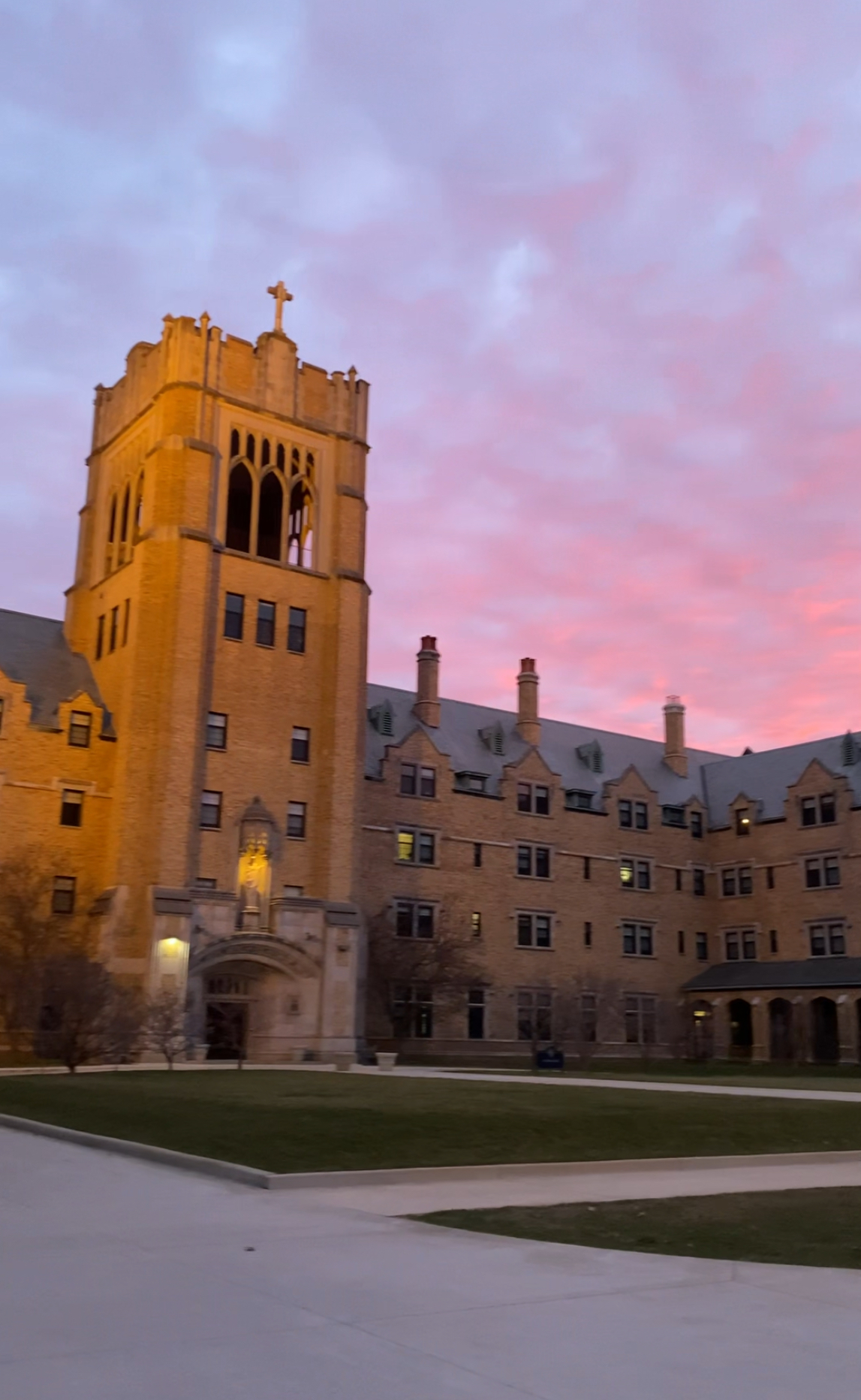
On the second floor of Le Mans Hall at Saint Mary's College in Notre Dame, Indiana, students keep seeing a woman with a greenish tint at the edge of their vision. They call her Mary, and she only shows up when you're not looking straight at her.
In Le Mans Hall at Saint Mary's College in Notre Dame, Indiana, the students on the second-floor corridor they call Queen's Court keep seeing the same woman. She shows up at the edge of vision, a profile with a greenish tint, and she's gone the moment anyone looks straight at her. The campus name for her is Mary.
One night around 2 a.m., a freshman named Julie Galvin saw her standing by her roommate's bed. "Out of the corner of my eye I saw a profile of a woman with a greenish tint," she said. Then it was gone. Galvin wasn't shaken by it. "I was a little freaked out, but it was a very beautiful image."
The story goes that Mary was a student who died by suicide in that room. No death record confirms a name, a date, or anything else; she lives entirely in what the residents tell each other. The detail they fixate on at three in the morning is architectural. Mary's floor, the lore holds, sits directly beneath the Le Mans chapel.
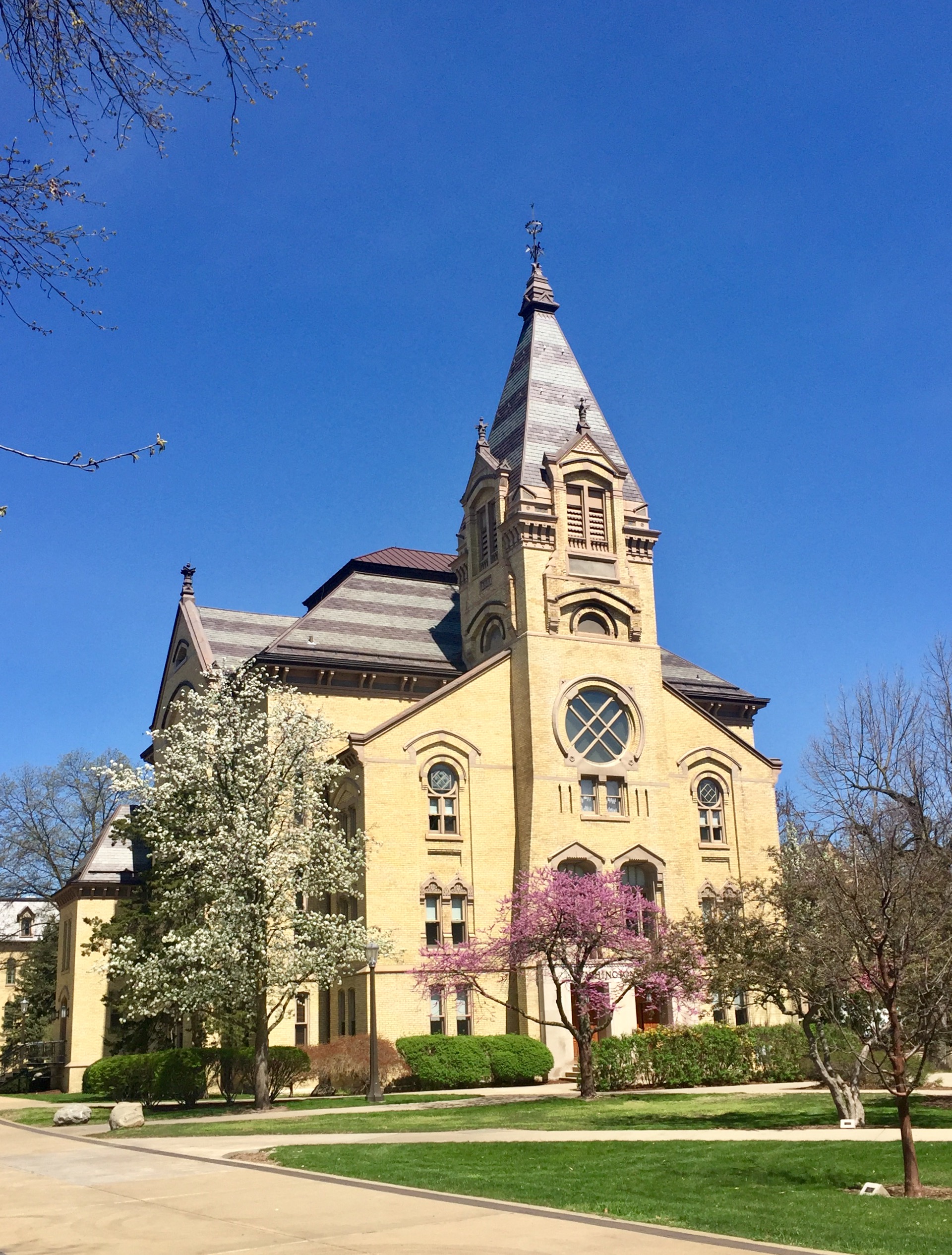
Le Mans Hall is the main building of the college, dedicated in 1926, second-oldest on campus, named for the town in France where the Sisters of the Holy Cross began. Its bell tower is to Saint Mary's what the Golden Dome is to Notre Dame. Campus legend holds that two people died in that tower, and that if you look up at it at night, you can make out the silhouette of a hanging body.
The building keeps a long list. Doors that open and close on their own. Pictures that drop off walls. Clothing and food that vanish and turn up days later. A child's handprint found by building services on the inside of a window. One senior resident assistant, Anastasia Hite, shut three propped-open bathroom stall doors, came out, and found all three wide open again, no squeak, no sound. "I hate Le Mans," she said.
The maintenance supervisor has answers for most of it: pipes in the walls, attic heaters, heavy steel doors that swing. Old buildings creak.
In 2002, three alumnae spent a year on campus with tape recorders, walking the grounds and interviewing night-shift security and cleaning staff. They vetted what they could through college, university, and county officials before publishing the accounts as a book. One author's favorite was a Le Mans Hall room where three people, over multiple years, independently described the same thing without ever comparing notes.
The hardest part, one of the authors said, wasn't finding stories. It was that some of them couldn't be printed.