The most-documented ghost at Tippecanoe Place in South Bend, Indiana is a Woman in White who descends the grand staircase, solid above the waist and gone below the knees. Staff have reported her for decades. Nobody can match her to a name.
At Tippecanoe Place, the Studebaker mansion in South Bend, Indiana, the ghost staff talk about most is a woman in a long white dress. In the early 1990s, a hostess closing the restaurant for the night watched her come down the grand staircase, solid from the waist up and simply gone below the knees, fading into nothing against the steps. A manager later said the same woman passed through him on her way into a room the staff call the George and Ada suite.
The natural thing is to look for her in the family. Historian Michael Kleen wrote the careful investigation of the haunting, and what he mostly found was the folklore coming apart in his hands. The two Studebaker children people say died here were from Clement's first marriage, and they died before the house was even built. Clement himself died of natural causes at seventy, not by suicide. Whoever the Woman in White is, she isn't a Studebaker.
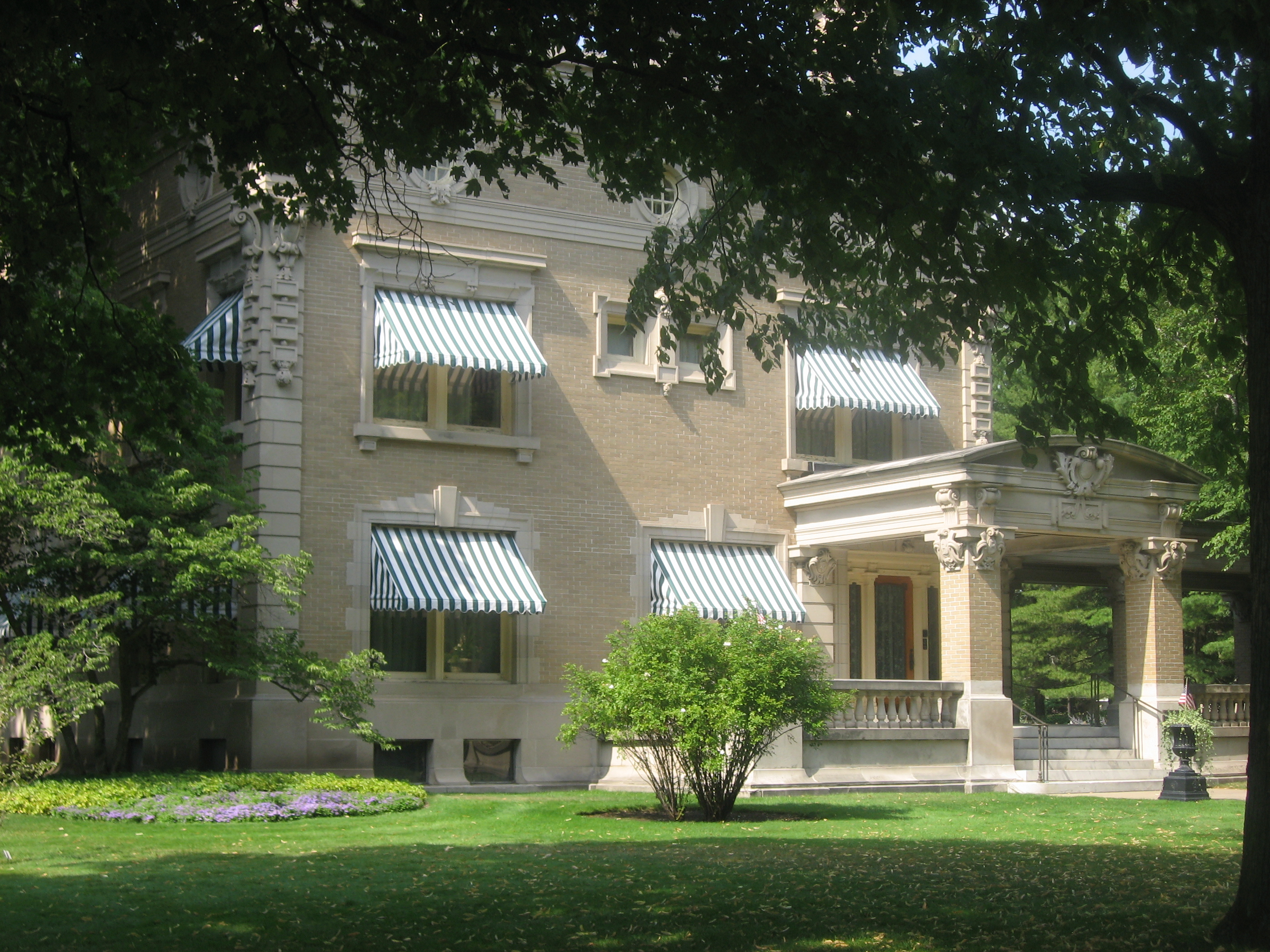
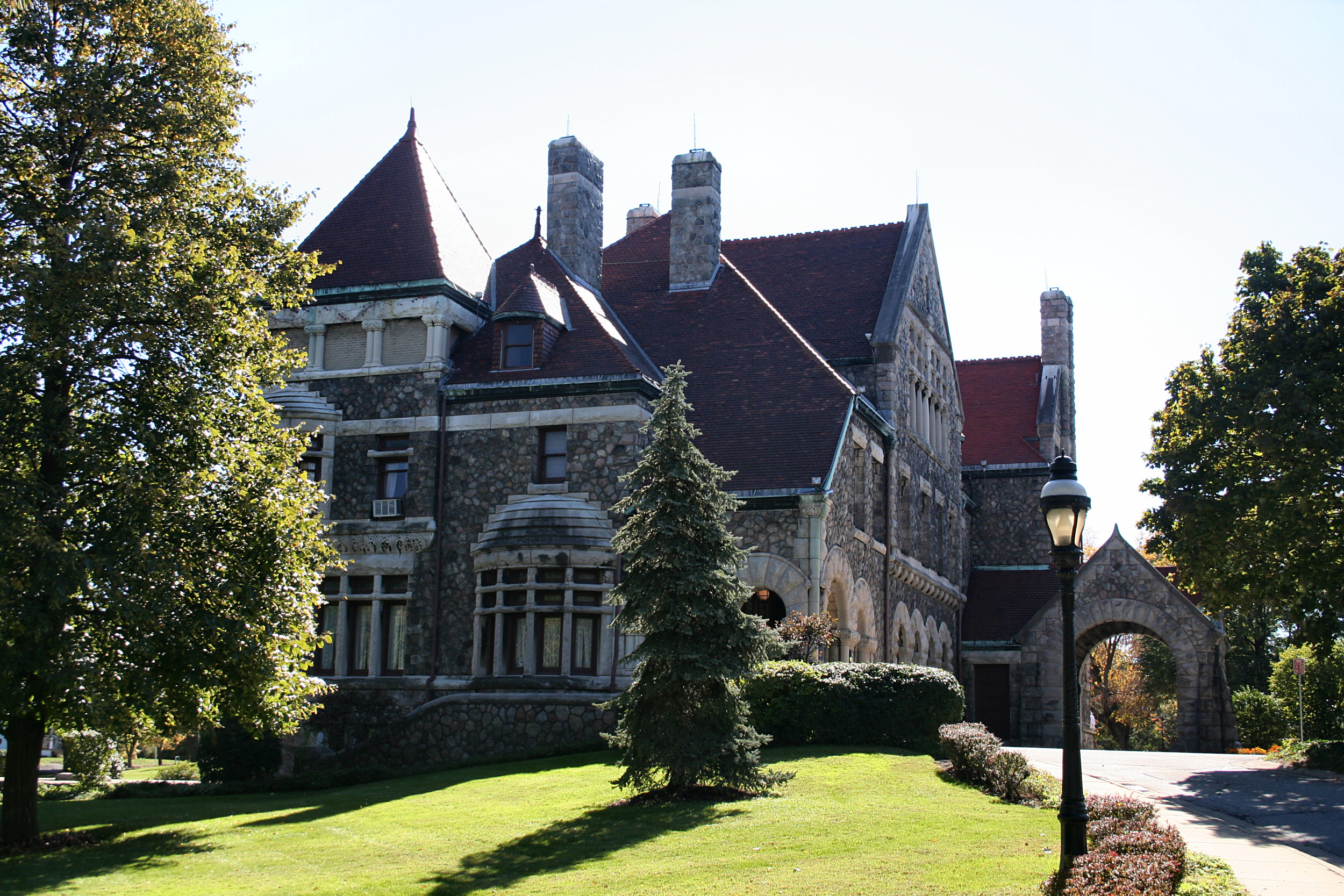
Clement built the place between 1886 and 1889, in glacial boulders set in concrete with limestone trim, a conical tower on the corner, around forty rooms and twenty-some fireplaces of onyx and marble. He named it Tippecanoe Place for his friend Benjamin Harrison. It still holds the oldest elevator in Indiana, run by staff to this day.
The woman is not the only thing reported. There's a maid the staff call Beatrice, and loud noises out of the attic. The house historian describes a photograph showing a soldier at the bar who wasn't there when the picture was taken. "Everybody who works here has experienced something," he said after eight years on the job, and his list runs to voices, shadows, balls of light, pictures swinging on the walls.
The accounts pile up where the building feels oldest. Visitors and staff report cigar smoke drifting through a no-smoking room near Clement's old office. In one telling, a father and son sat in the library and watched a shadow hang behind a leather chair while the room went cold and the lights dimmed; staff, it's said, won't go into that library alone. A guest once described being moved a foot sideways, as if a hand had pressed gently on the small of the back, with no one near.
In January 2026, the restaurant closed after forty-six years. The accounts all came from that era, the years the place served dinner. The landmark still stands, its future undecided.
A ghost reported across four decades of staff and diners, and not one of them could say her name.