A twenty-room mansion on West Bay Lake where the Hinshaw family lasted six months in the 1970s before fleeing, the father playing his organ through the night claiming demons demanded it. Life magazine named it one of America's nine most terrifying haunted houses; lightning burned it down in 1988, leaving only the foundation and chimneys.
Arnold Hinshaw played his Hammond organ through the night, every night, the sound carrying across West Bay Lake while his family huddled together and cried. He said demons in his head demanded that he play.
Summerwind started as a fishing lodge on the shores of West Bay Lake in Vilas County. In 1916, Robert Patterson Lamont bought the property and hired Chicago architects Tallmadge and Watson to turn it into a twenty-room summer mansion with a stone terrace overlooking the water. The renovation ran about $125,000, roughly three million today. Lamont went on to serve as Secretary of Commerce under Herbert Hoover. He and his wife Helen filled the place with antiques from their travels and used it as a summer retreat for years.
The earliest ghost story, unverified and absent from Lamont's own writings, claims a tall dark figure emerged from the basement door during dinner one evening. Mrs. Lamont hid behind her husband. Lamont drew a pistol and fired two shots through the figure, the bullets passing through it and lodging in the basement door. The family left and never came back, though Lamont kept ownership until his death in 1948.
After that, the Keefer family bought the mansion. Mr. Keefer died of a heart attack within months. His widow Lillian feared the house and gradually sold off parcels of the estate. The mansion sat mostly abandoned through the 1960s.
Then came the Hinshaws. Arnold and Ginger Hinshaw moved in with their children in the early 1970s and found the original blueprints for a renovation. The six months they spent there became Wisconsin's most notorious haunted house story. Whispering voices. A man in eighteenth-century clothing wandering the halls at night. Lights turning on and off. Contractors refused to work on the property no matter how much the Hinshaws offered to pay. The most bizarre claim: rooms changed dimensions during renovation. Measurements taken one day contradicted those from the day before. Arnold and his daughter both said they discovered a human corpse in a hidden space behind a closet drawer, but they never reported it to authorities and no remains were ever recovered.
Arnold's mental state collapsed. The late-night organ playing became obsessive, hours on end, the chilling music drifting over the lake. Ginger attempted suicide. After six months, the family fled. Arnold was hospitalized for a nervous breakdown.
Ginger's father, Raymond Bober, bought the property next. He planned to convert it into a bed and breakfast but, according to neighbors, never spent a single night inside the mansion. He lived in a trailer on the grounds. In 1979, writing as Wolfgang von Bober, he published The Carver Effect: A Paranormal Experience, claiming the mansion was haunted by the spirit of Jonathan Carver, an eighteenth-century British explorer searching for a deed granting him territorial rights to northern Wisconsin. The book brought Summerwind its first real attention. Then in November 1980, Life magazine named it one of the nine most terrifying haunted houses in the United States.
Skeptics have pushed back on every major claim. At least two previous residents denied the house was haunted. Locals maintained that no ghost stories existed before Bober's book. Paranormal Milwaukee pointed out that Arnold's symptoms, the insomnia and compulsive behavior, match known patterns of obsessive-compulsive disorder and sleep deprivation psychosis. Professional carpenters noted that measurement discrepancies are common in old buildings with settling foundations.
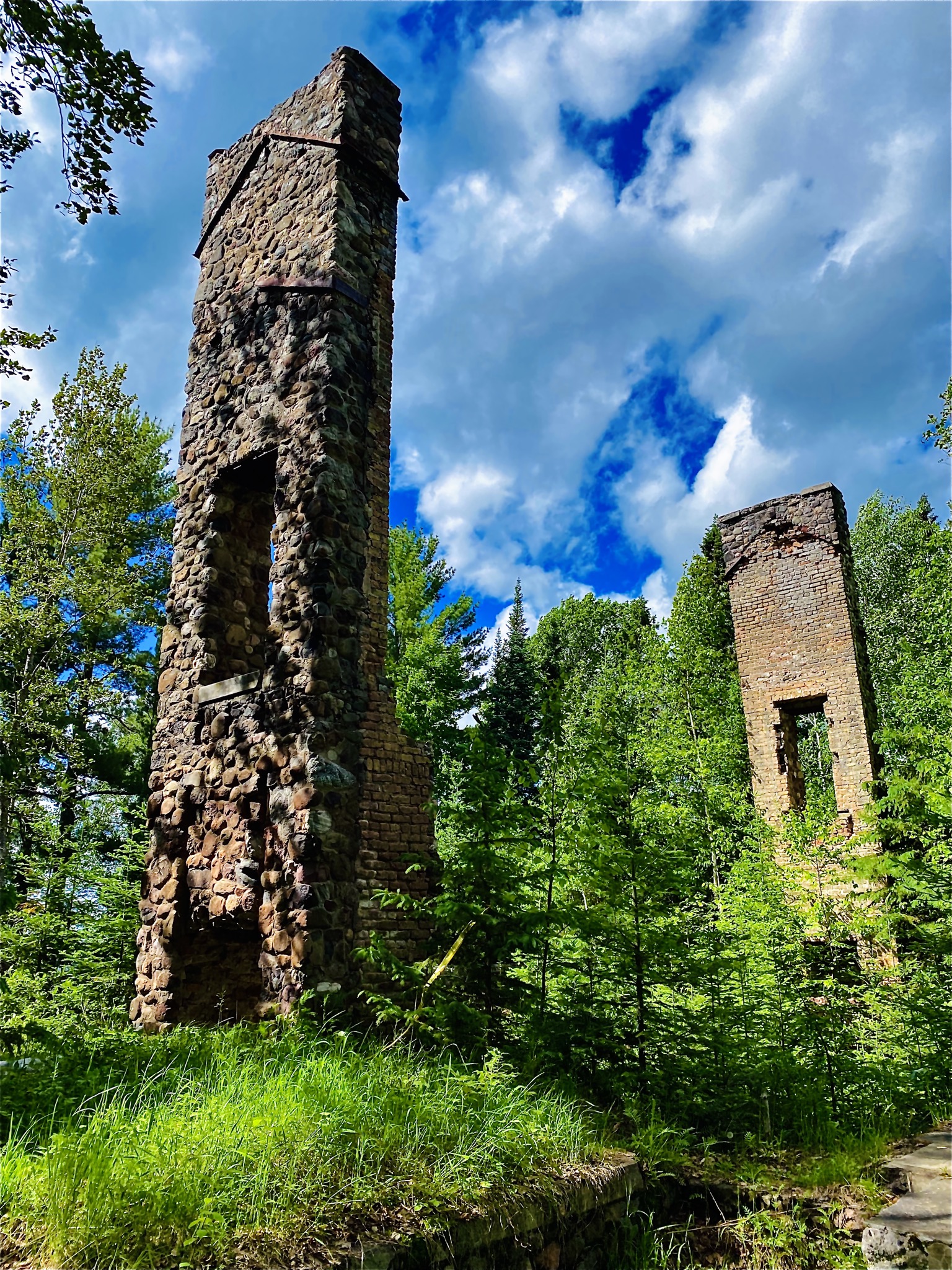
On June 19, 1988, lightning hit the abandoned mansion during a storm and set it on fire. Some locals whispered arson, but the official cause stayed as the lightning strike. The Discovery Channel later dramatized the Hinshaw experience in the A Haunting episode "The Haunting of Summerwind," which aired November 4, 2005. Devon Bell documented the full history in Haunted Summerwind: A Ghostly History of a Wisconsin Mansion. Today, only the fieldstone foundation, brick chimneys, and stone terrace remain, sinking into the Northwoods forest on private property closed to the public. The organ is long gone. The lake is quiet.