At the Stifel Theatre in St. Louis, staff alone in the empty hall hear a woman in the dark balcony running vocal warm-ups, full-voice, like a performer about to go on. During a spirit session, she told them her name: Rachel.
Work the Stifel Theatre in St. Louis alone, after the crowd has gone and the house lights are off, and the staff say you'll eventually hear her. A woman's voice up in the balcony, running vocal warm-up scales. Not humming under her breath — full-voice exercises, the kind a singer does before a show, in a room where the show ended hours ago.
The name they have for her, Rachel, is the part that stops people. Staff didn't pull it off an old program or pin it on a stranger. During a spirit-communication session, the St. Louis Paranormal Research Society asked the entity who she was, and a woman's voice answered with it. She started that conversation; they only wrote down what she said. "Rachel is a name she chose, herself," says Eric Cornman, the theater's senior public safety manager. "Rachel is here a lot. She's been seen by guests; she's been seen by employees. She sings, a lot."
She isn't alone in the building. Cornman says he and others have seen at least two more figures over the years — dark shapes where no one's standing, including a man under a curtain in a back hallway. The paranormal society calls the Stifel one of the most haunted buildings it has ever worked. Some accounts of the balcony singer call her Mary, not Rachel, but Rachel is the name that stuck with the people who lock up at night.
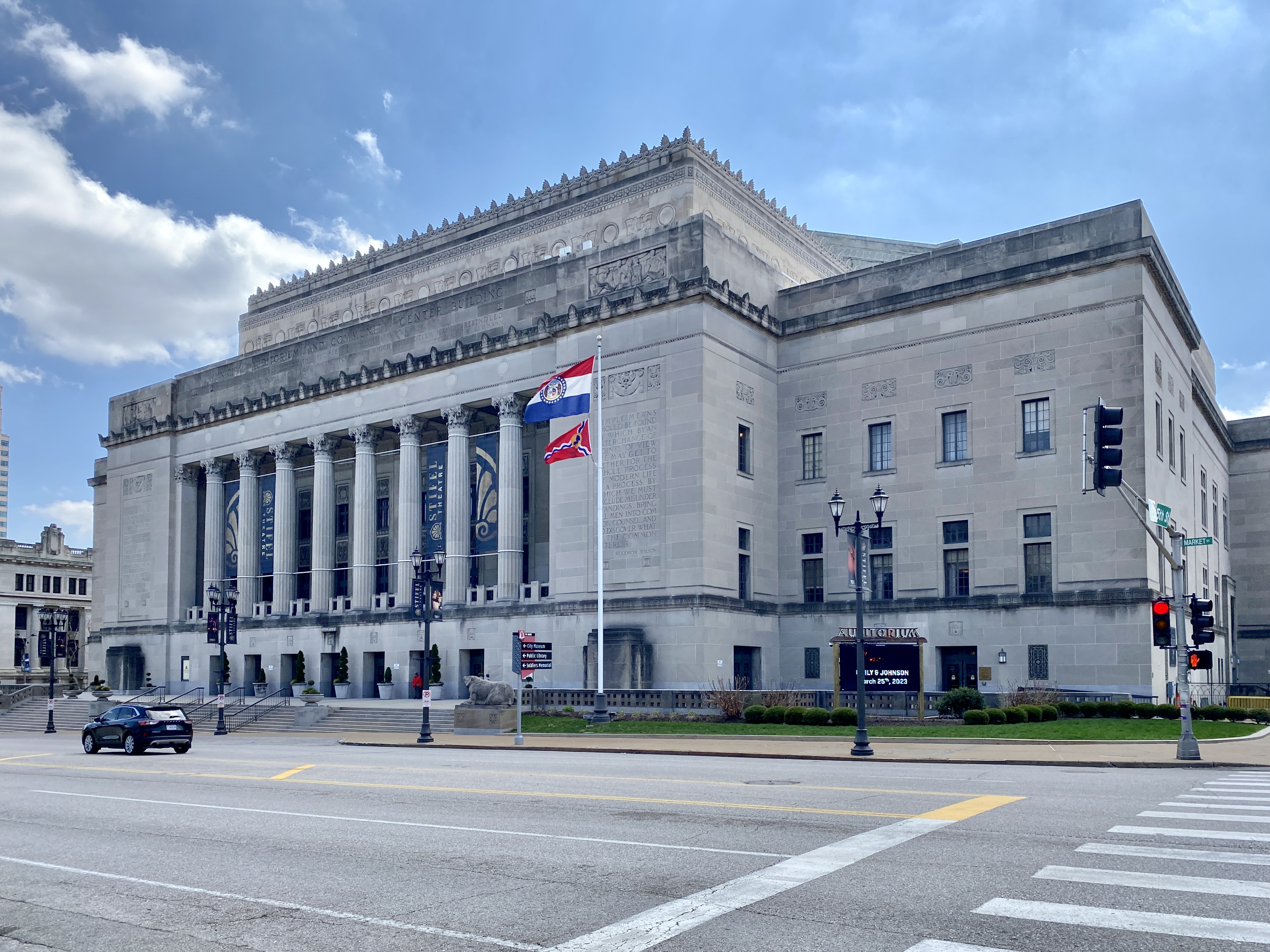
The hall opened in 1934 as the Municipal Opera House, a 3,100-seat Art Deco room, and was renamed the Kiel Opera House in 1943 for a late city mayor. The St. Louis Symphony played there until 1968. It went dark in 1991, sat empty for two decades, and came back after a renovation, reopening in 2011 with a gala that put Aretha Franklin and Chuck Berry on its stage. The staff trace Rachel to a woman said to have been stabbed in a bar down the street before the theater was ever built. No record names her, and the link is mostly timing and an address. It's just the story the building tells about its singer.
Whatever the truth of her, the theater plans around her. New hires get a ghost tour as part of orientation — a heads-up on what they might run into alone in the dark. The Stifel doesn't sell tickets to Rachel. It warns its own people about her, and some of them have quit anyway.