During a renovation at the Pensacola Lighthouse in Florida, workers pulled up the tile and found a dark stain in the wood that wouldn't scrub out. The legend says a keeper's wife killed her husband on that floor. The dates say she died before the floor was ever laid.
During a renovation at the Pensacola Lighthouse in Florida, workers stripped the tile off the keeper's-quarters floor and found a dark stain soaked into the wood underneath. It wouldn't scrub out. The story goes that it was sent off and tested, and the test came back as blood. Other rooms, the tellers say, held a trail of it.
The legend attached to that stain is a murder. A keeper named Jeremiah Ingraham lit Pensacola's first lighthouse in 1824 and ran it until he died in 1840. His wife, Michaela, took over and kept the light for fifteen more years — the only woman ever to run the station. Local lore holds that she didn't lose him to illness at all. The story goes she stabbed him during an argument and blamed an intruder. It was never proven, and the records put his 1840 death down to sickness.
So the stain on the floor is supposed to be Jeremiah's blood, and the woman who spilled it is supposed to still be in the house.
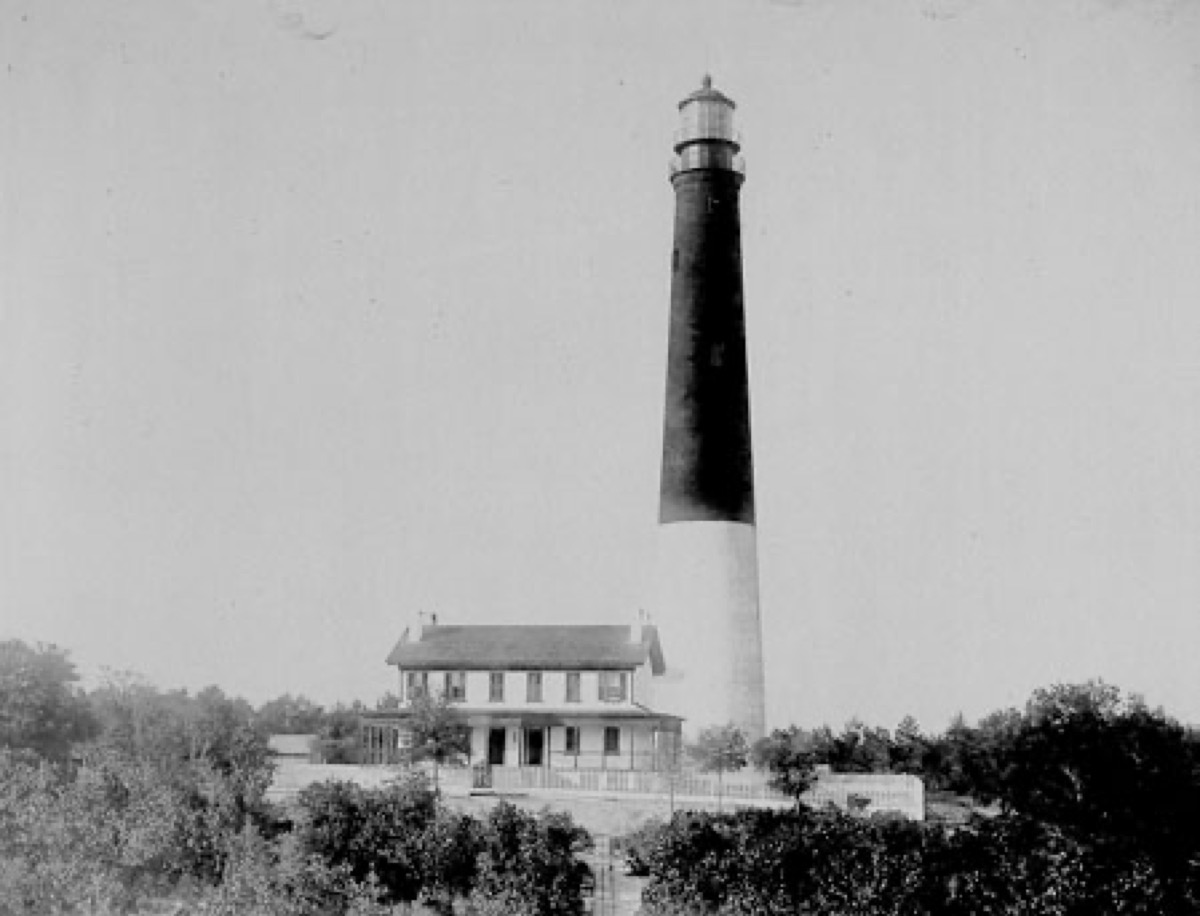
The dates take it back. The Ingrahams served the original tower, on the far side of the bay. Both of them were dead before the lighthouse standing today was even built — its brick tower went up in 1858, first lit on New Year's Day 1859, and the keeper's quarters with that wood floor wasn't finished until 1869. Neither of them ever stood in the room with the stain. The blood is real and the building is wrong.
The house keeps producing things anyway. Staff and visitors report objects thrown across rooms, doors swinging shut on their own, a smell of pipe tobacco no one can place. A workman said a running water hose was yanked clean out of his grip. When Ghost Hunters filmed the tower in 2009, they came back with a K2 meter spiking, footsteps overhead, the hatch slamming, and a child's voice on tape.
So the floor holds a stain that came back as blood, and not one person in the story it's pinned to was ever alive to bleed there. The wood remembers something. The people don't fit.