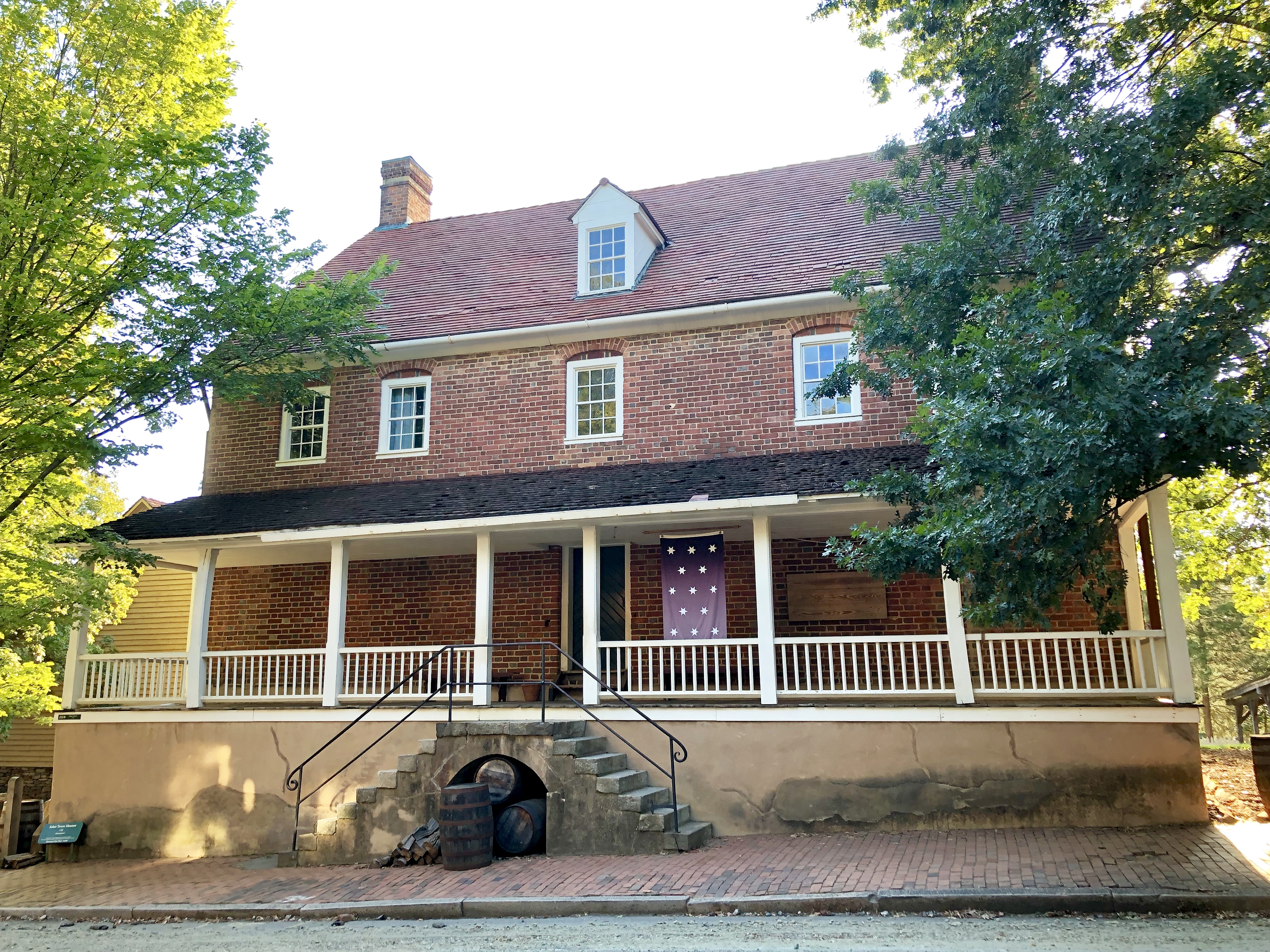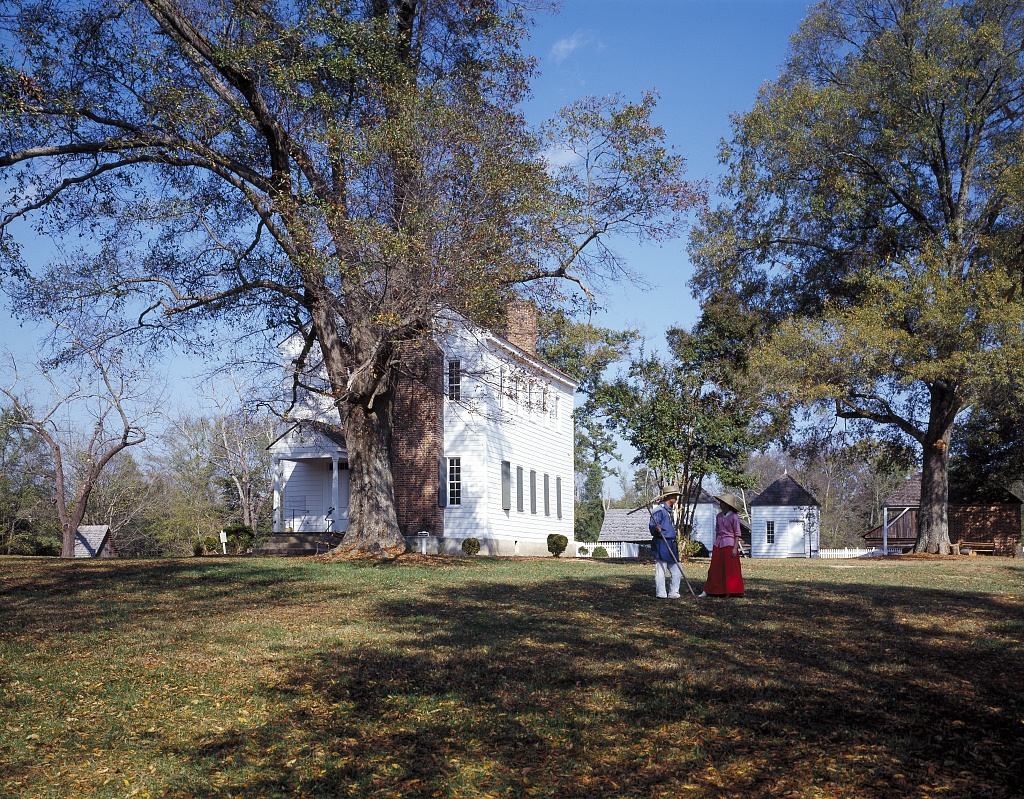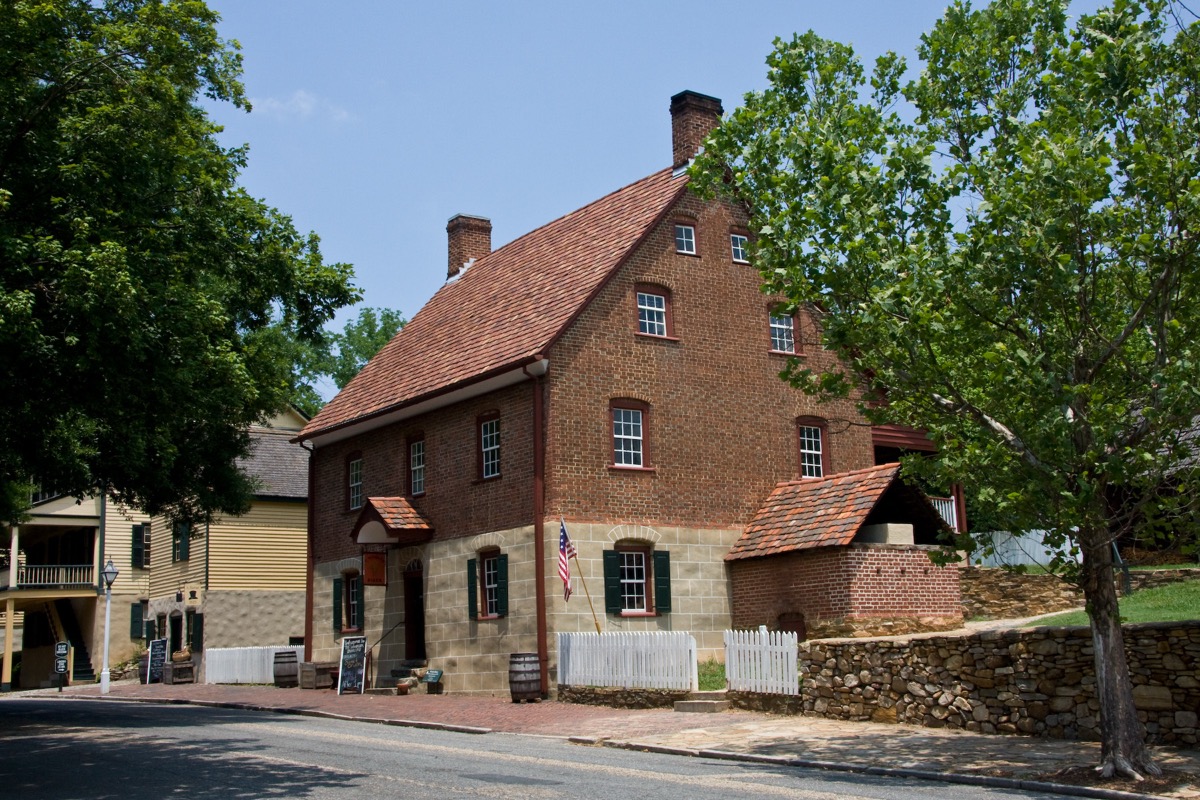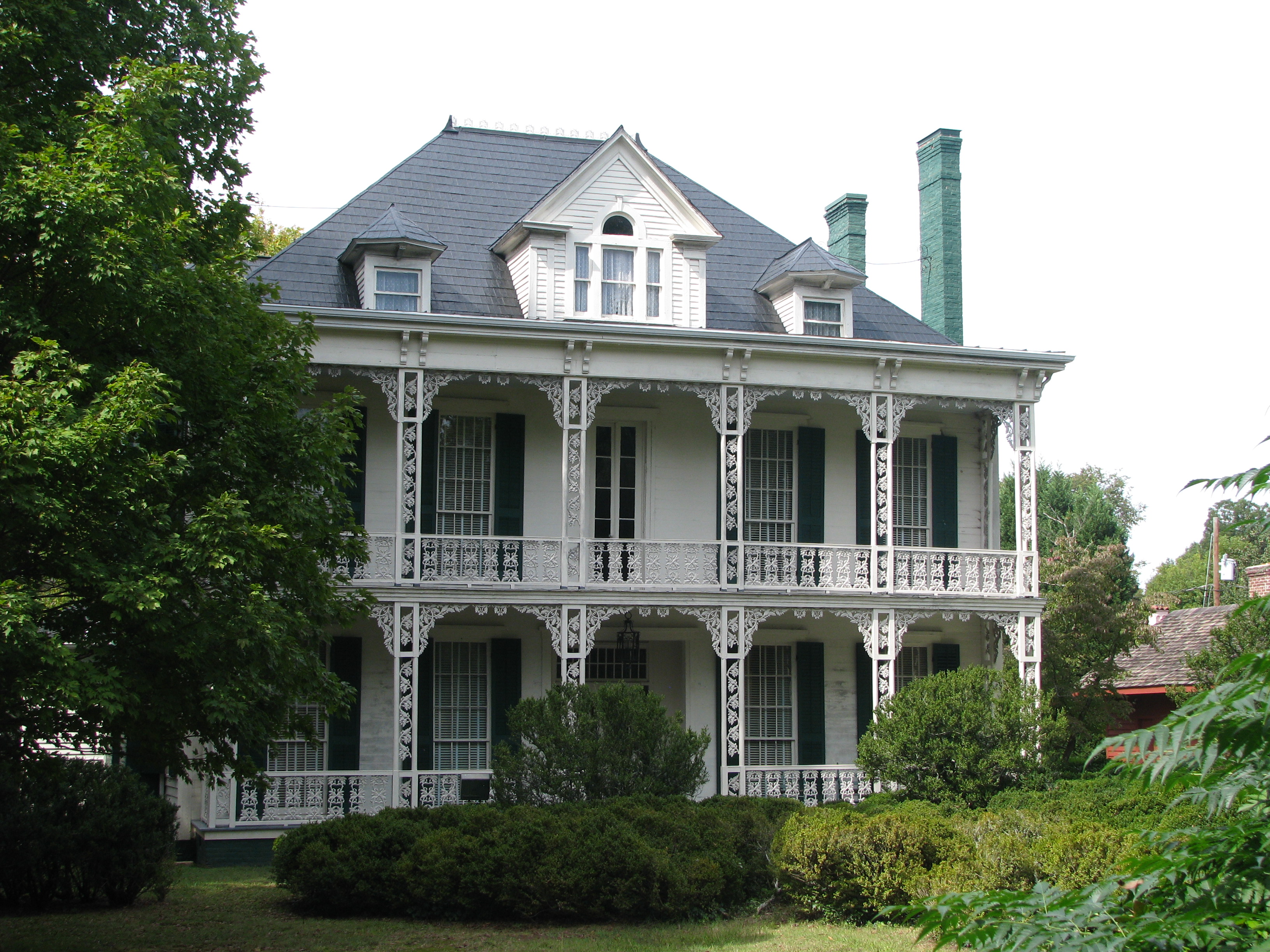
The Josephus Hall House in Salisbury, North Carolina stands a short walk from a Confederate prison where some 4,000 men died. By every rule it should be heaving with ghosts. The man who runs it has walked the place at all hours, and says he's never seen a thing.
The Dr. Josephus Hall House in Salisbury, North Carolina is the rare haunted-directory entry where the people who run the place go out of their way to tell you it isn't haunted. The Historic Salisbury Foundation puts on special October evening tours of the 1820 mansion, and the executive director who organizes them, Brian M. Davis, told the Salisbury Post flatly in 2014: "It is not a ghost tour."
He didn't stop there. "None of us have had any experiences here," he said, "and I've been here at all times, day and night."
That should be the end of it. The reason it isn't sits a short walk from the family's front door.
Dr. Josephus Hall bought the house in 1859 for $3,500, stables and slaves' quarters included. When the Civil War came, he served as chief surgeon at the Salisbury Confederate Prison. The prison was built to hold about 2,500 men. By the war's last winter, roughly 10,000 were crammed inside. An estimated 4,000 of them died there, mostly of disease driven by the overcrowding, an overall death rate near 26 percent, one of the worst of any prison in the South. A cannon from that prison still sits on the house's grounds.
So the ingredients are all here. A surgeon at the center of mass death. A grand house steps from the dying. By every rule of Southern ghost lore, the place should be full.
People have looked. A North Carolina paranormal group, The Ghost Guild, investigated the house three times in 2021, working alongside the foundation. They published none of their findings, just the dates they came. A long-running downtown ghost tour passes the property without going in; its guide tells walkers, "There are lots of orbs captured out here among the trees." The strongest paranormal claim on record is about the trees, not the house, and it comes from a tour guide's patter rather than any investigation.
The history, meanwhile, is solid and well-documented. When Union troops took Salisbury in 1865, the Halls gave up the front rooms and lived in the back while the officers paid them rent. General Stoneman used the house as a headquarters during his raid that spring. The family stayed on for four generations after the war, surrounded the whole time by the memory of what had happened a short walk away.
You'd expect all of that to leave a mark you could feel. The man who has walked every room of the house, at every hour of the day and night, says it didn't. That much death, and no one home: it's a stranger answer than a ghost would have been.