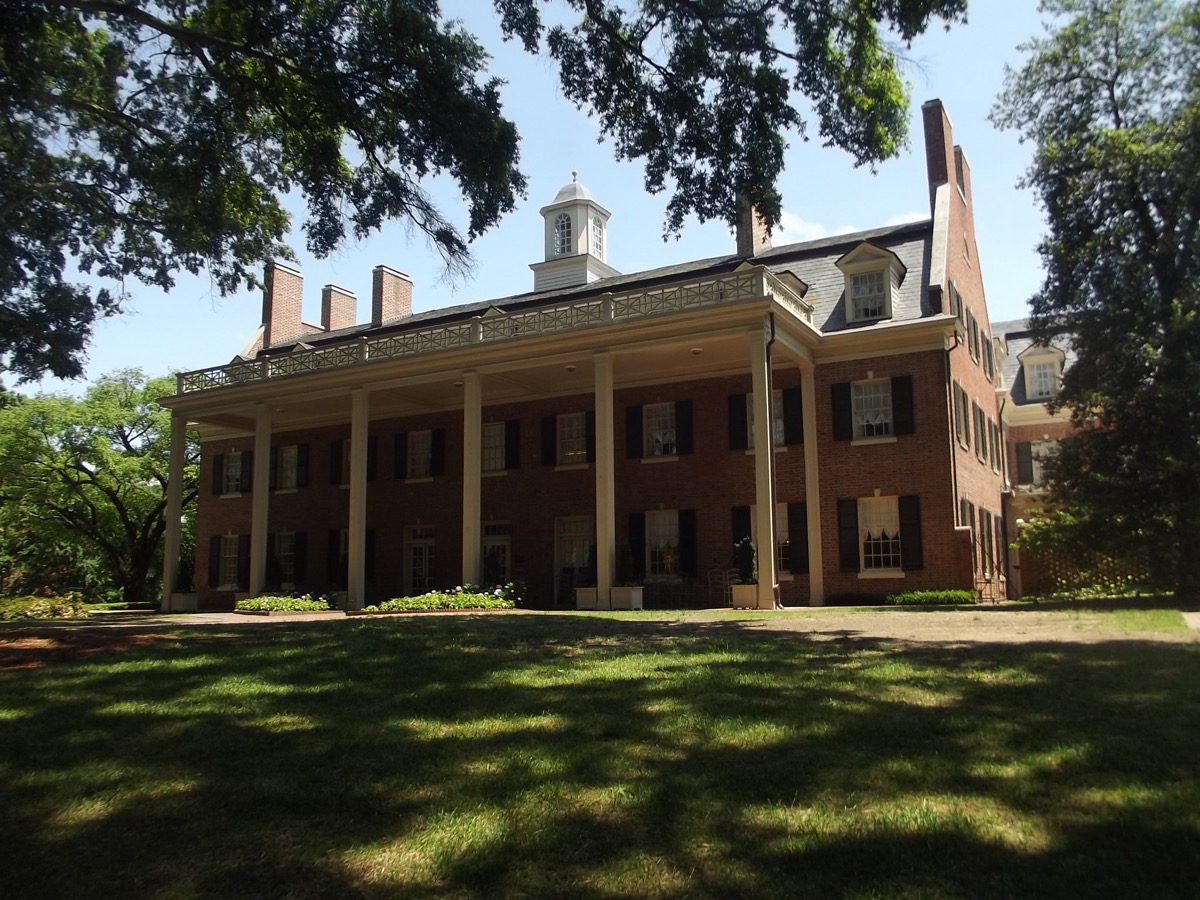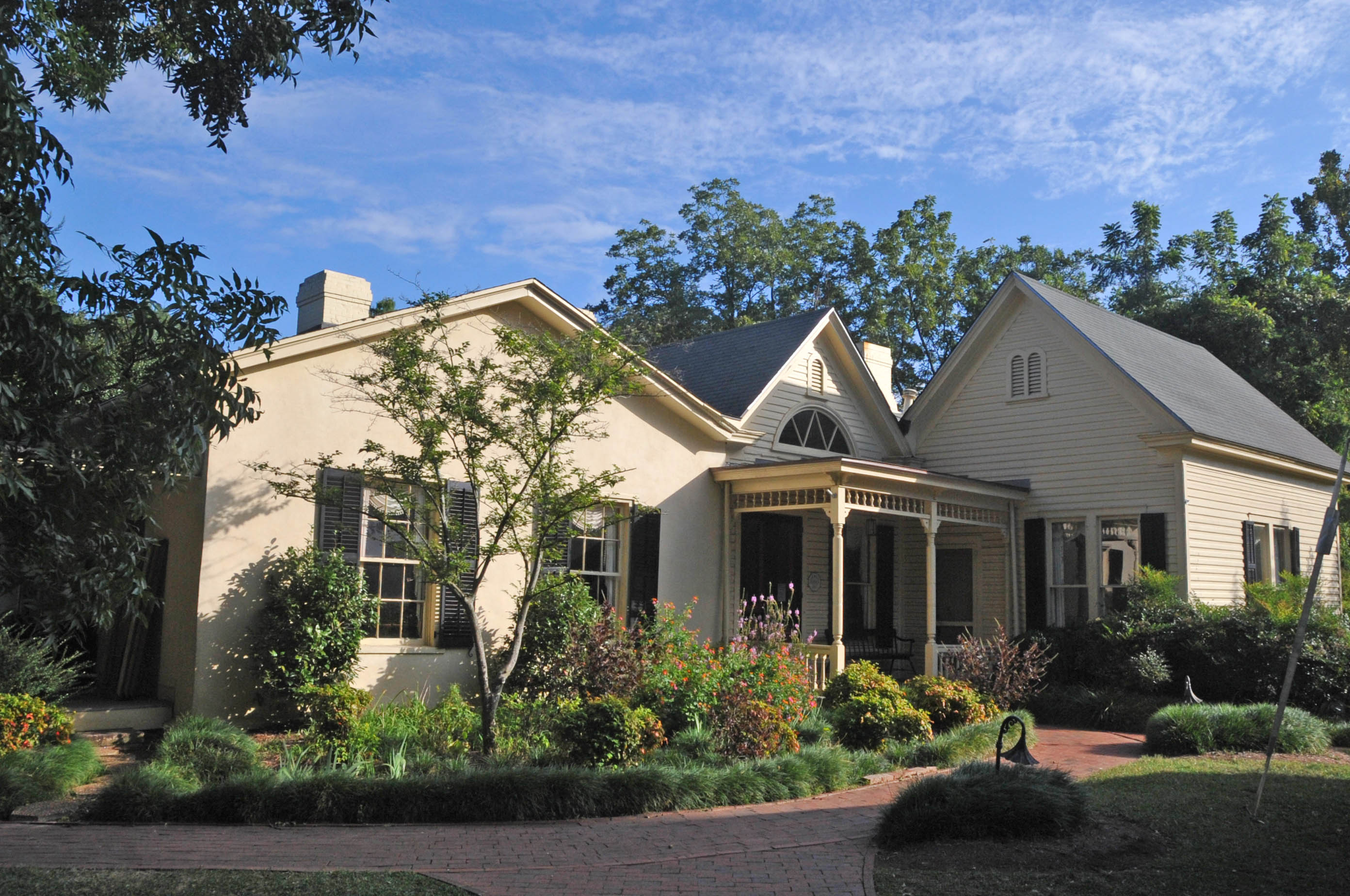
The Horace Williams House in Chapel Hill, North Carolina has two ghosts. One is the eccentric philosophy professor who once chose arrest over connecting to the town sewer. The other is a little girl heard singing in the backyard, and no one can explain her at all.
The Horace Williams House in Chapel Hill, North Carolina has two ghosts, and only one of them makes any sense. The one that makes sense is Horace Williams himself.
Williams was a UNC philosophy professor who lived in the house from 1897 until he died in 1940, and in life he was a man a town does not forget. When Chapel Hill ran its new sewer line in 1913, Williams refused to connect his house to it. He was arrested on the mayor's order, and after the connection was forced through, the two men never spoke again. His students included Thomas Wolfe, who put him in *Look Homeward, Angel* and called him the "Hegel of the Cottonpatch," and a young Sam Ervin. He willed the house to the university on one condition: that no significant alterations be made to it, and left his estate to the philosophy department to fund fellowships.
After he died, the families who rented the place reported the rest. Objects moved or rearranged overnight. Footsteps in rooms that were empty. Toilets flushing on their own. And an elderly man matching Williams's description, seen standing in a hallway and gone the moment anyone came toward him. Catherine Berryhill Williams, who lived there as a child, said she found the fire utensils displaced with no one near them, and that her sister spoke with the old man's ghost more than once. A man who'd rather be arrested than change his house, staying in the house he refused to let anyone change. That one fits.
The other one doesn't.
Paranormal investigators recorded audio of a little girl singing in the backyard. She has never been identified, and there is no one she could be. Williams had no children. The families who owned the house before him, the Hedricks and the Winstons, are well documented. No death recorded in the house's whole history involves a child.
The house had a long life before either of them. A UNC chemistry professor named Benjamin Hedrick built it on a university lot, and added an eight-sided room with a fireplace at its center that still stands and is used for exhibitions today. Hedrick was the only UNC faculty member ever dismissed for his politics, fired in 1856 after he said he would vote for a candidate who opposed the spread of slavery. The house passed through two more professors before Williams bought it, and after he died and the renting families came and went, it fell into such disrepair that a preservation society had to rescue and restore it, finishing the work in the 1970s.
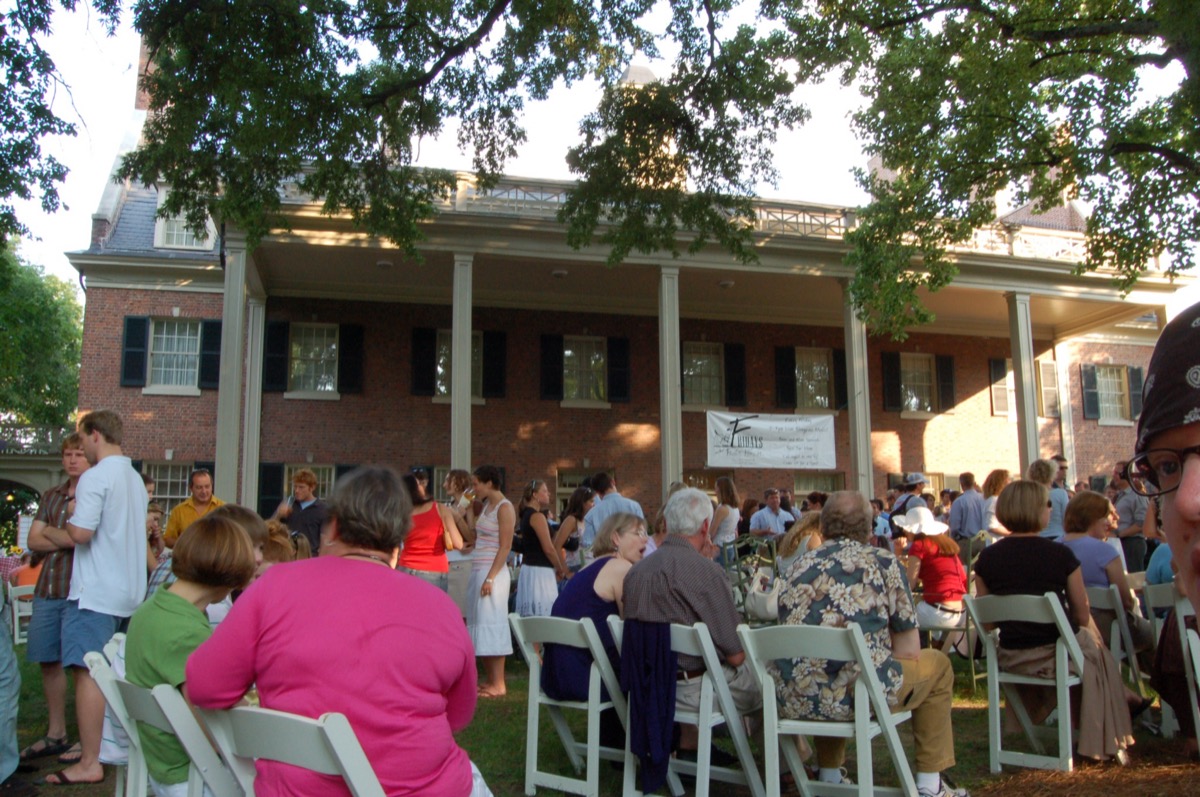
It is the headquarters of Preservation Chapel Hill now, open for exhibitions and lectures, the only historic house in town the public can walk into. The professor's office survives, the room where he held his seminars, intact the way his will demanded. Somewhere out behind it, a child no record can account for keeps singing.