The Glore Psychiatric Museum near St. Joseph, Missouri fills an old hospital building with replica torture-by-treatment devices. The haunting lives in the basement, where a man waits by the morgue elevator and teams have taped a voice shouting GET OUT.
The man waits by the elevator doors. He's reported most often near the old morgue in the basement of the Glore Psychiatric Museum, on the hospital grounds just east of St. Joseph, Missouri, and the people who run the after-hours investigations there know exactly where to point you. A motion detector in that basement is said to trip on its own, with nobody down to set it off. Visitors describe a woman's voice asking for help, crying, whimpering. Some describe a second apparition entirely: a man who runs the length of the basement hallway. And more than one paranormal team has come back upstairs with the same recording: a man's voice, shouting GET OUT.
The reports come often enough that the museum now rents itself out after dark. You pay for a guided tour, the lights go off, and your group works the building until midnight. Cast members from the TV show Ghost Hunters have come through to investigate at public events.
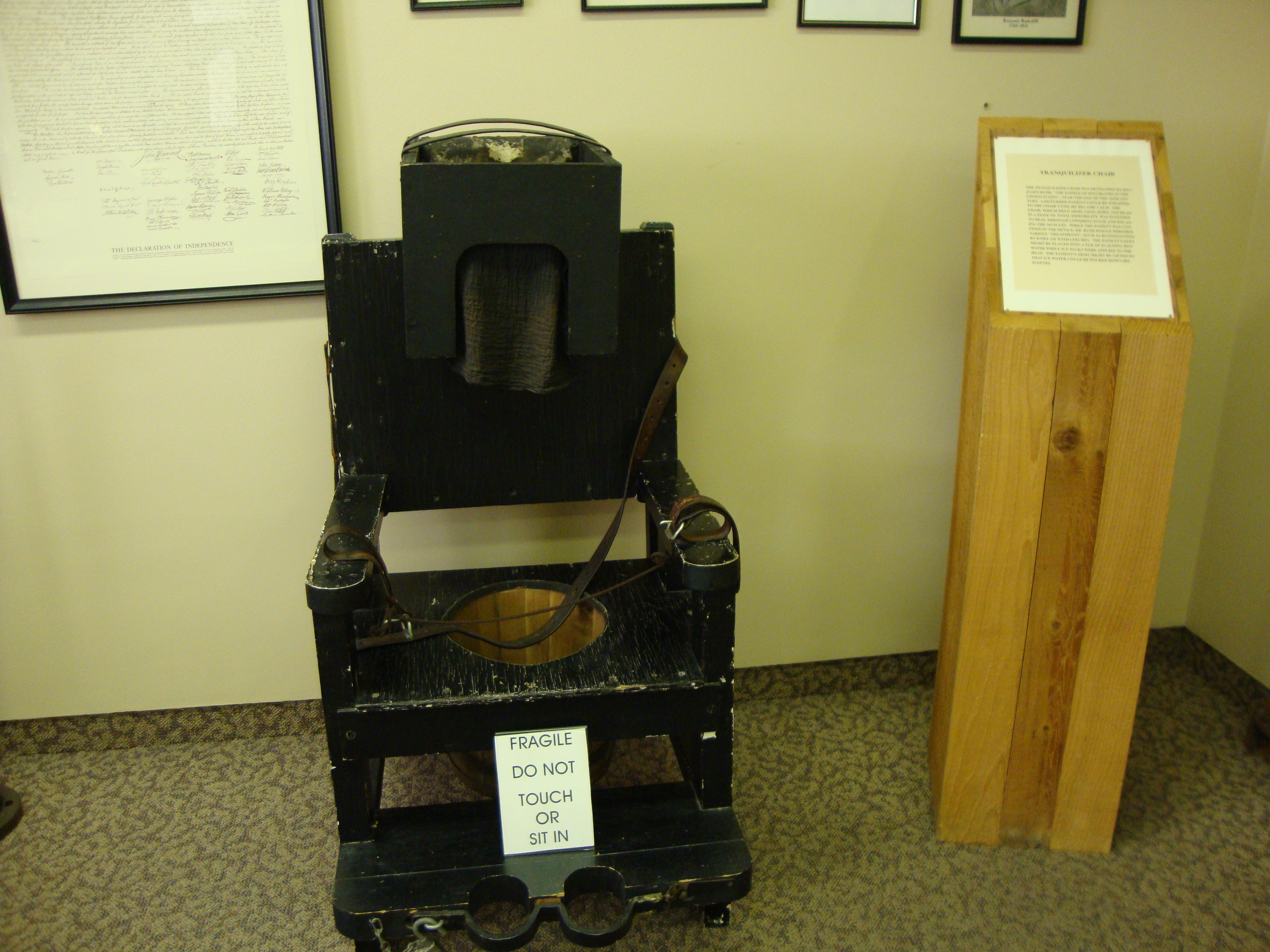
The building it all happens in is a museum of how the place used to treat people. A state mental-health clerk named George Glore spent a 41-year career with the Missouri Department of Mental Health building full-size replicas of old treatment devices, starting around 1968. They're all here. The Tranquilizer Chair, with a hood, restraints, and a built-in toilet, so a patient could be held in it for days at a stretch. The Lunatic Box, a coffin you stand up in. The Bath of Surprise, which was ice water. A giant treadmill for the agitated. Glore kept curating the place until he died in 2010.
The hospital underneath the museum is older and worse. State Lunatic Asylum No. 2 opened in 1874 with 25 patients and swelled to nearly 3,000 by the early 1950s. Upstairs, on the third floor, the manager says the rocking chairs won't stay put. "We will come in in the morning," she said, "and the rocking chairs are turned the other direction."
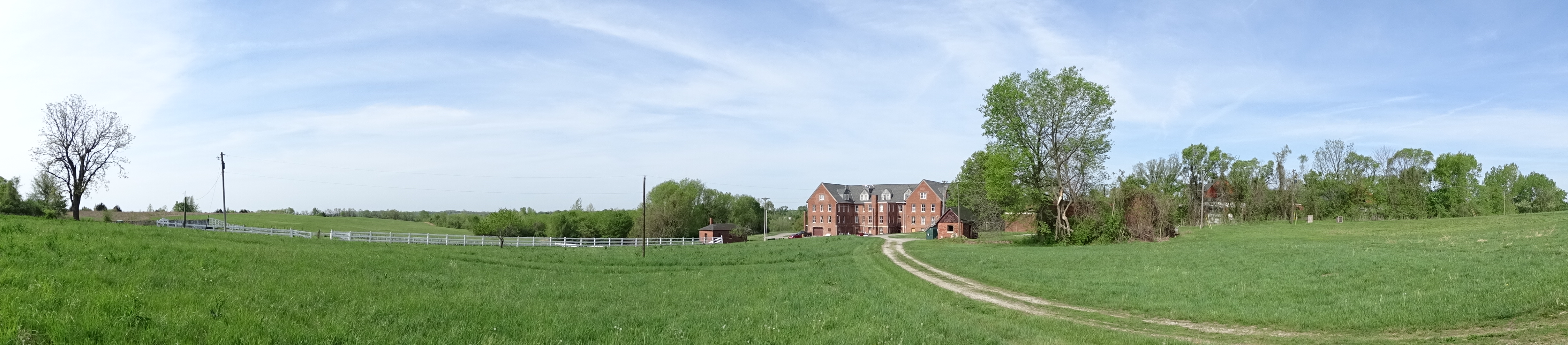
The worst of it is out back. More than 2,000 patients lie in the hospital cemetery, most of the graves marked with nothing but a number. The first burial was in 1874, the last in 1949. Then, sometime in the 1960s, someone gave an order: push the headstones over and bury them in the dirt. It was cheaper than mowing around them. The people in that ground had already lost their names to a numbered marker. The state went back and took the marker too.