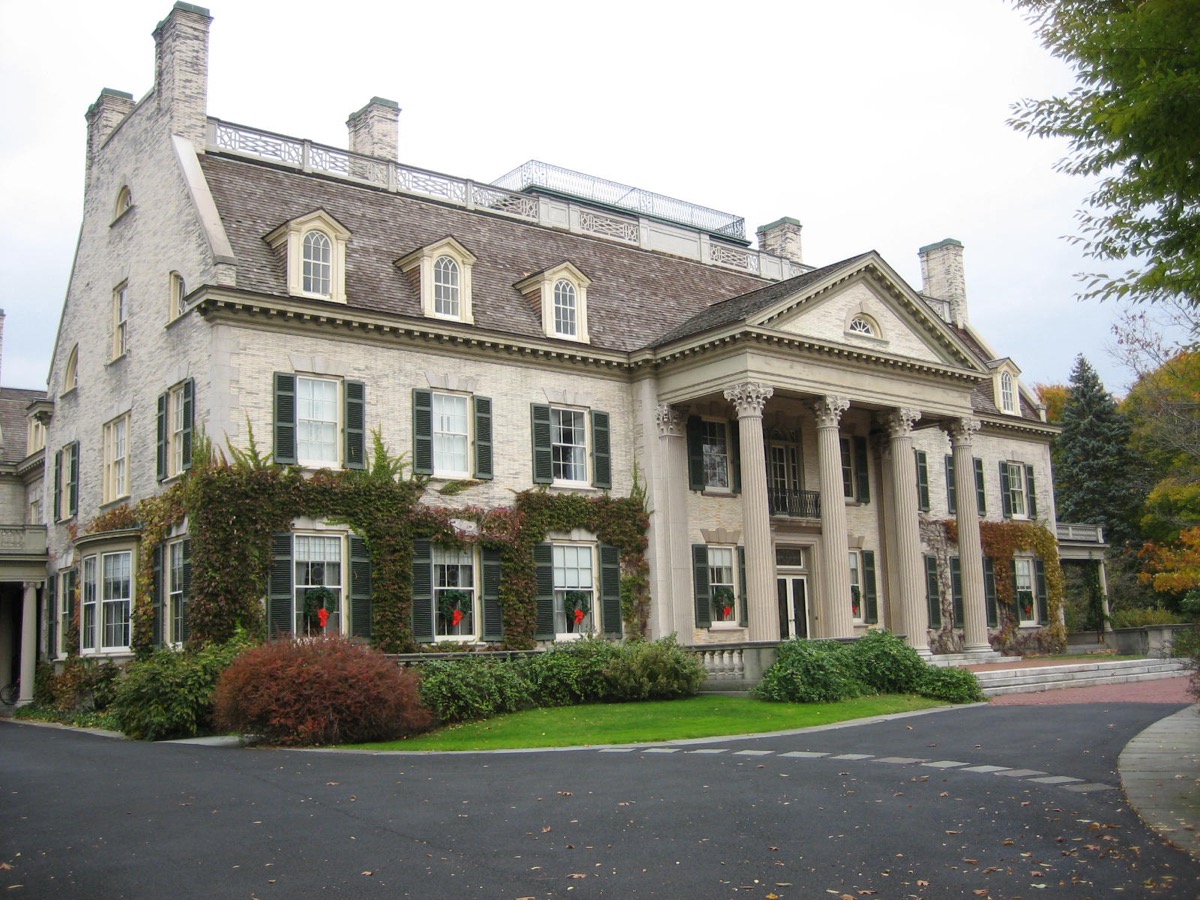
The George Eastman Museum in Rochester, New York is the house where the Kodak founder shot himself in 1932. He left a four-line note that the museum now displays as an exhibit, and many say his spirit still keeps watch over the estate.
The George Eastman Museum in Rochester, New York keeps a strange exhibit: a four-line suicide note, on yellow lined paper, displayed in the very house where it was written. The man who wrote it was the founder of Eastman Kodak, the person who put cameras in ordinary hands. Many who pass through the mansion believe he is still there, keeping an eye on his estate.
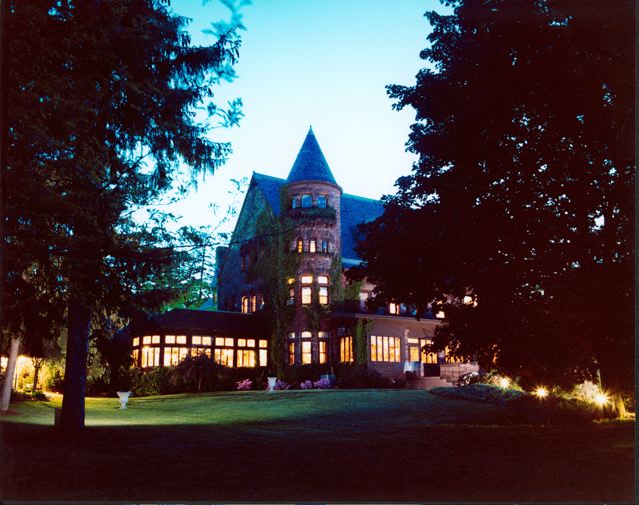
George Eastman built the place between 1902 and 1905 at 900 East Avenue: 50 rooms, 35,000 square feet, designed by architect J. Foster Warner with interiors by McKim, Mead & White, set on a 10.5-acre estate with formal gardens, greenhouses, stables, and working farmland. He filled it with the new century's machinery, an electric generator, a 21-station internal telephone system, a built-in vacuum system, an elevator, and a great Aeolian pipe organ that filled the house with music. He gave away roughly $100 million in his lifetime, endowing a music school in 1918 and a school of medicine and dentistry in 1921. Meticulous, private, generous, a man who built something to outlast him.
His last two years went the other way. A degenerative spinal condition wore him down until walking was hard and the pain didn't let up. On March 14, 1932, after entertaining friends and signing a final change to his will, the 77-year-old shot himself through the heart in his home. The note he left read: "To my friends, my work is done. Why wait? GE."
Rochester was stunned. The estate passed to the University of Rochester, served as the university president's official residence for about a decade, and opened to the public on November 9, 1949, as the world's oldest museum devoted to photography.
What people tell about the place is plain. Eastman died here, and the story goes that he never really left, that he stays on to watch over the estate he was so careful to build. There are no named witnesses, no recordings, no dated sightings, just the bare belief that the man who poured everything into this house is still minding it. The note he wrote sits behind glass a few rooms from where he used it, and the museum doesn't argue with the reputation. Every spooky season it sells tickets to a "Rumors & Ghosts" tour of the third floor, attic, and basement, the parts of the house most people never see, where a guide tells the darker history of the man who built it and stayed.