Guests at the General Lewis Inn in Lewisburg, West Virginia keep reporting a man seated in the dining room. Local history says an enslaved man remembered only as Uncle Reuben was hanged in that part of the house in 1861, for a revolt that never happened.
The dining room at the General Lewis Inn in Lewisburg, West Virginia sits inside the oldest part of the building, and the haunted-travel listings all say the same thing about it: guests see a man there. He turns up at one of the tables, or over in the corner. Everyone who tells it uses one name for him. Reuben.
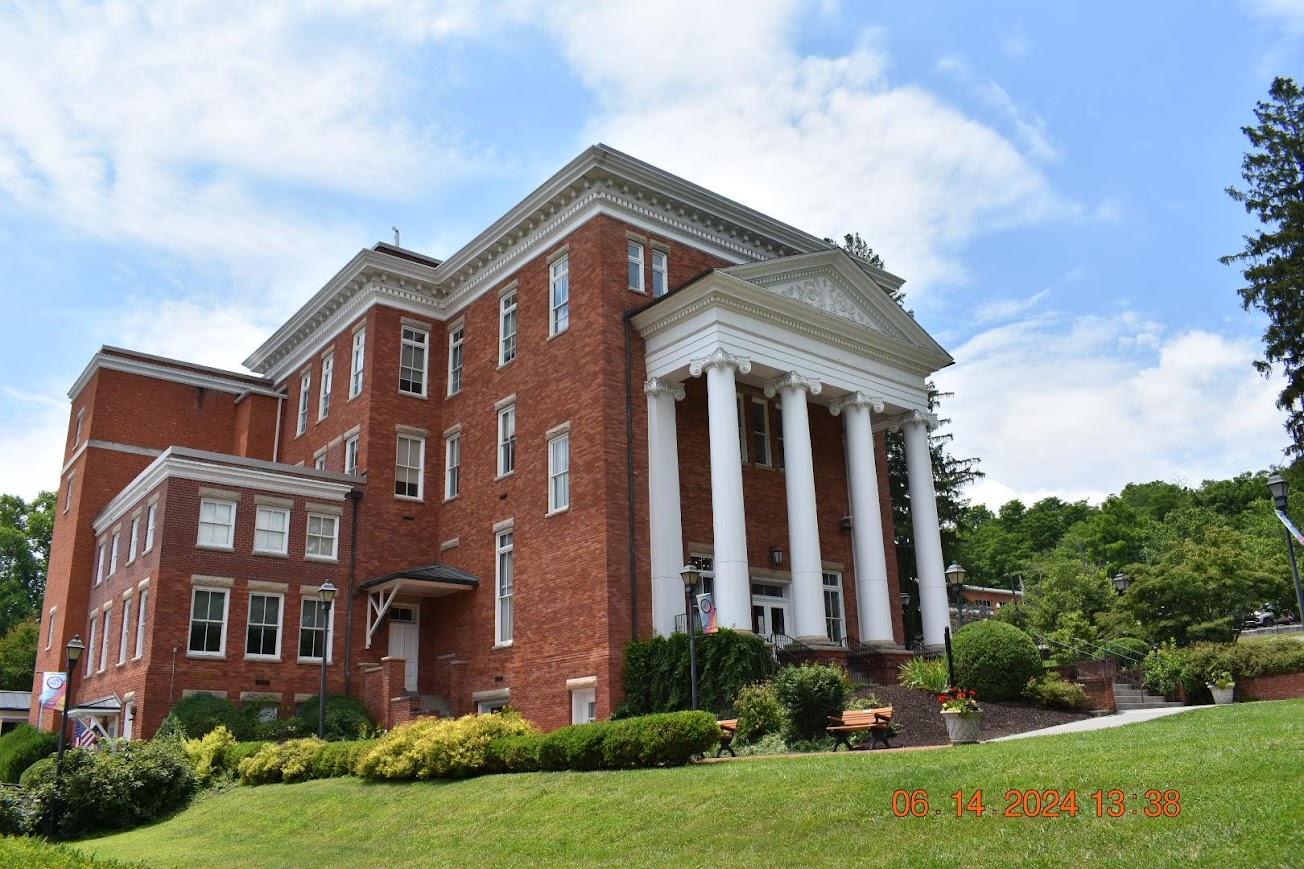
He was enslaved by John Withrow, whose 1834 brick house forms the east end of the inn. Marshall University's Clio entry, drawing on old Greenbrier County histories, puts it plainly: "Uncle Reuben," one of Withrow's slaves, was hanged on June 28, 1861, for allegedly conspiring a slave revolt that never happened. The rising he was accused of planning had been set for April 9, to follow the Confederate soldiers out of town. It never took place. He was hanged anyway, two and a half months later, in the part of the house that serves as the dining room today.
Nobody can tell you anything more about him. No surname, no age, no burial place. Nothing in the digitized newspapers of 1861 carries the story. Neither do the National Register files for the Lewisburg Historic District, which note only the two log outbuildings behind the inn, "thought to have been enslaved people's quarters for the Withrows."
Upstairs, the reports get stranger and vaguer at once. Room 208 has a portrait hanging in it, and no one knows who painted it, who its subject is, or when it entered the building. She is called the lady in white anyway, though the figure people describe is a woman in a gray Civil War dress, floating a little above the floor. From 208 and from Room 206 next door, guests and staff say they hear a child crying, then laughing, and find the room empty. Room 206 is booked today under the name of the man who owned the house. It is called the John Withrow Room.
The investigator Theresa Racer wrote up one stay, in May 2009, in Suite 202. Two women independently woke to a figure standing at their beds, facing away: thin, wearing brown, "a little taller than the back of a rocking chair." It was gone shortly after. A third woman woke to her bed shaking, as though someone was trying to rouse her. Staff told the group that the inn kept a record of what guests reported, and that 202 had been the little girl's territory too.
None of this appears on the inn's own website. What appears there instead is the dining room. In a recent renovation the owners opened the original brick exterior wall and left it exposed, calling the foundation the work of "the hands of enslaved people, whose quarters and lives are hidden from view, both literally and historically." The one room they ask you to look at is the room where guests keep finding Reuben sitting.