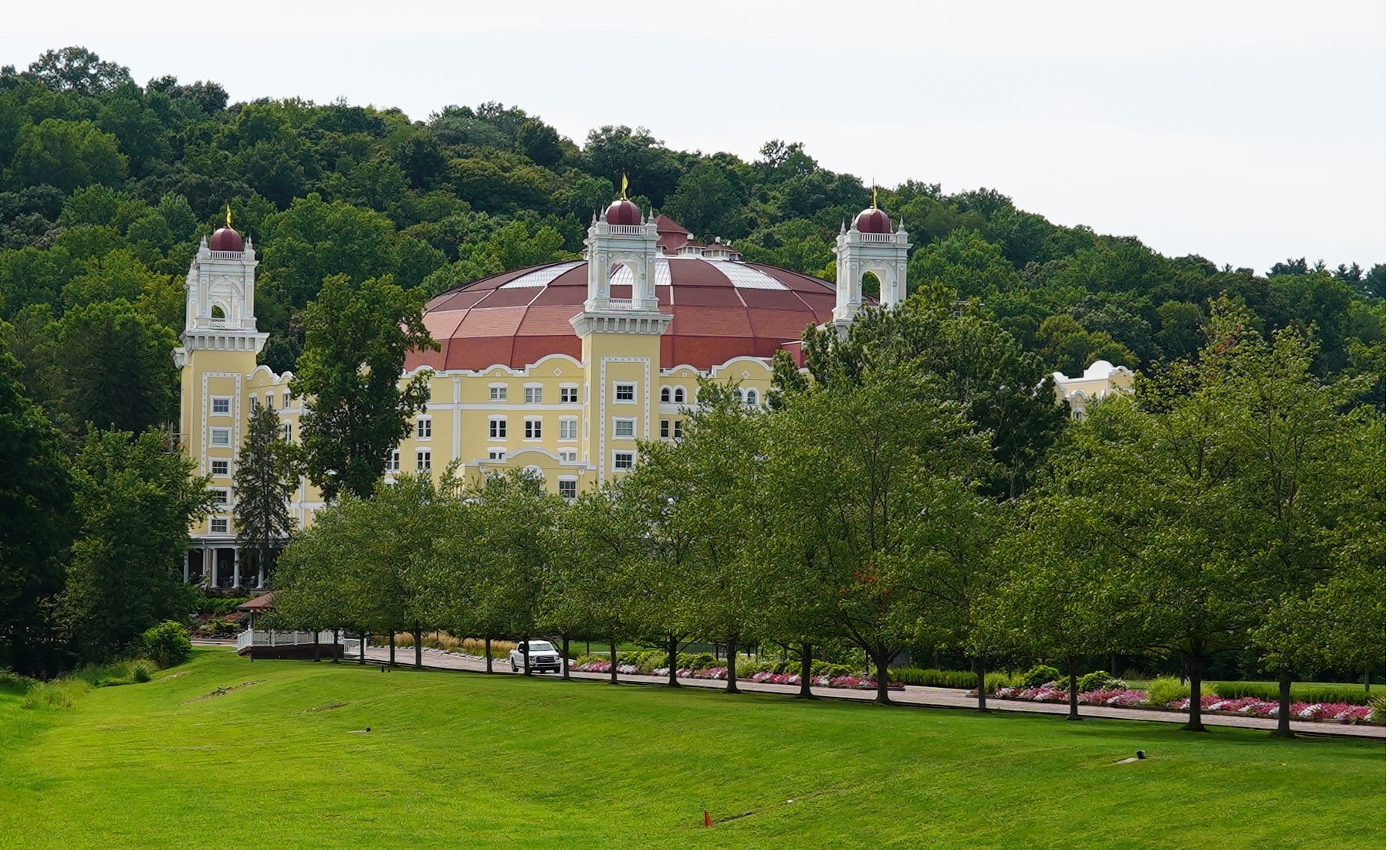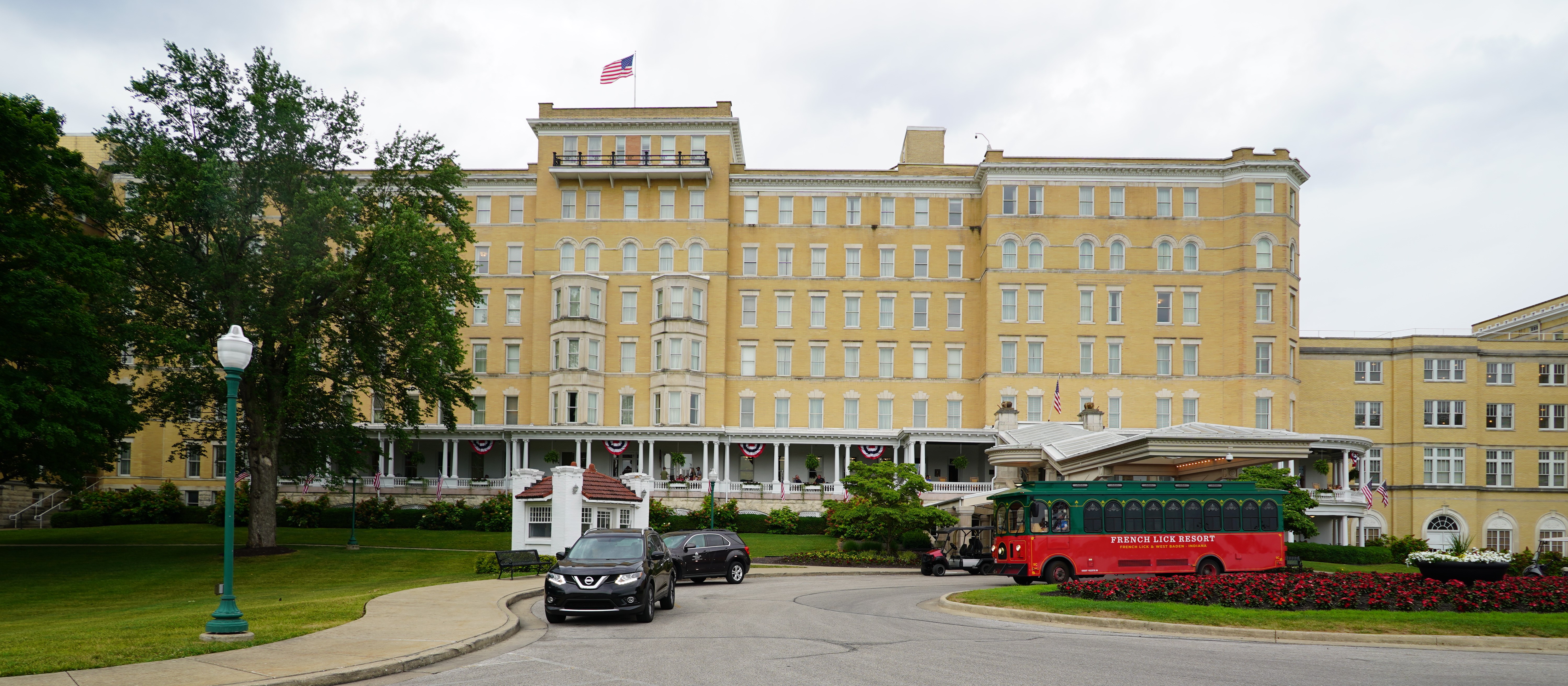
At French Lick Springs Hotel in Indiana, housekeepers on the sixth floor keep smelling cigar smoke where no one is smoking. Staff say the tobacco belongs to Thomas Taggart, the owner who built the place into one of America's grandest resorts and died in 1929.
At French Lick Springs Hotel in southern Indiana, the housekeepers on the sixth floor keep catching the smell of cigar smoke. There's no one smoking. There's often no one there at all. Staff and guests describe it the same way Haunted Rooms does, "as if Taggart was standing nearby."
Thomas Taggart bought into the property in 1901 and owned it outright by 1905. He'd come up from nothing, a restaurant worker who became mayor of Indianapolis, then a U.S. senator, then chairman of the Democratic National Committee. The hotel itself dated back to 1845, founded by a Paoli physician around the area's sulfur springs, and Taggart ran it from 1901 until he died in 1929. Over those years he turned a mineral-water sanitarium into a first-class resort, wing by wing, selling guests on a bottled laxative called Pluto Water under the slogan "If Nature Won't, Pluto Will." The cigar was his trademark. By every account on staff, so is the smoke.
The sixth floor is where it gathers, along with cold drafts, footsteps in empty halls, a woman's crying heard from bathrooms with no one inside, and a shadowy figure most often seen near the service elevator. The more theatrical versions have Taggart himself riding a horse down the corridor toward the ballroom, where staff say music and dancing still drift out after the room is dark and locked.
But the ghost people actually talk about is a bellhop named Charlie. The story goes he died in an elevator shaft and never clocked out. No record confirms he ever worked there, or died there, or existed at all, only the lore, repeated the same way for years. Guests claim to recognize him from old photographs hanging in the lobby. The front desk gets phone calls from rooms with no one in them. In the theater, an actor rehearsing a monologue alone reported being fed his next lines from the empty seats. FrightFind records another account, plainer and worse: a guest stepped out of her bathroom one evening to find a man dressed in black standing in the room, watching her, before he turned and disappeared into the closet.
The hotel reopened in 2006 after a restoration that ran past $382 million, with a casino, a spa, and 443 rooms. Long before that, in June 1931, Franklin Roosevelt came through for the governors' conference and worked the room toward the nomination he'd win the next year. Taggart was already two years dead by then, and he'd see none of what came after. He's been gone since 1929. The sixth floor, the staff will tell you, still smells like he stepped out a minute ago.