Fort Stevens State Park sits on the Oregon coast, where a submarine once shelled the shore in 1942. Visitors say a soldier still patrols Battery Russell and vanishes when approached. The fort's first burial was a drowning the record later changed to a murder.
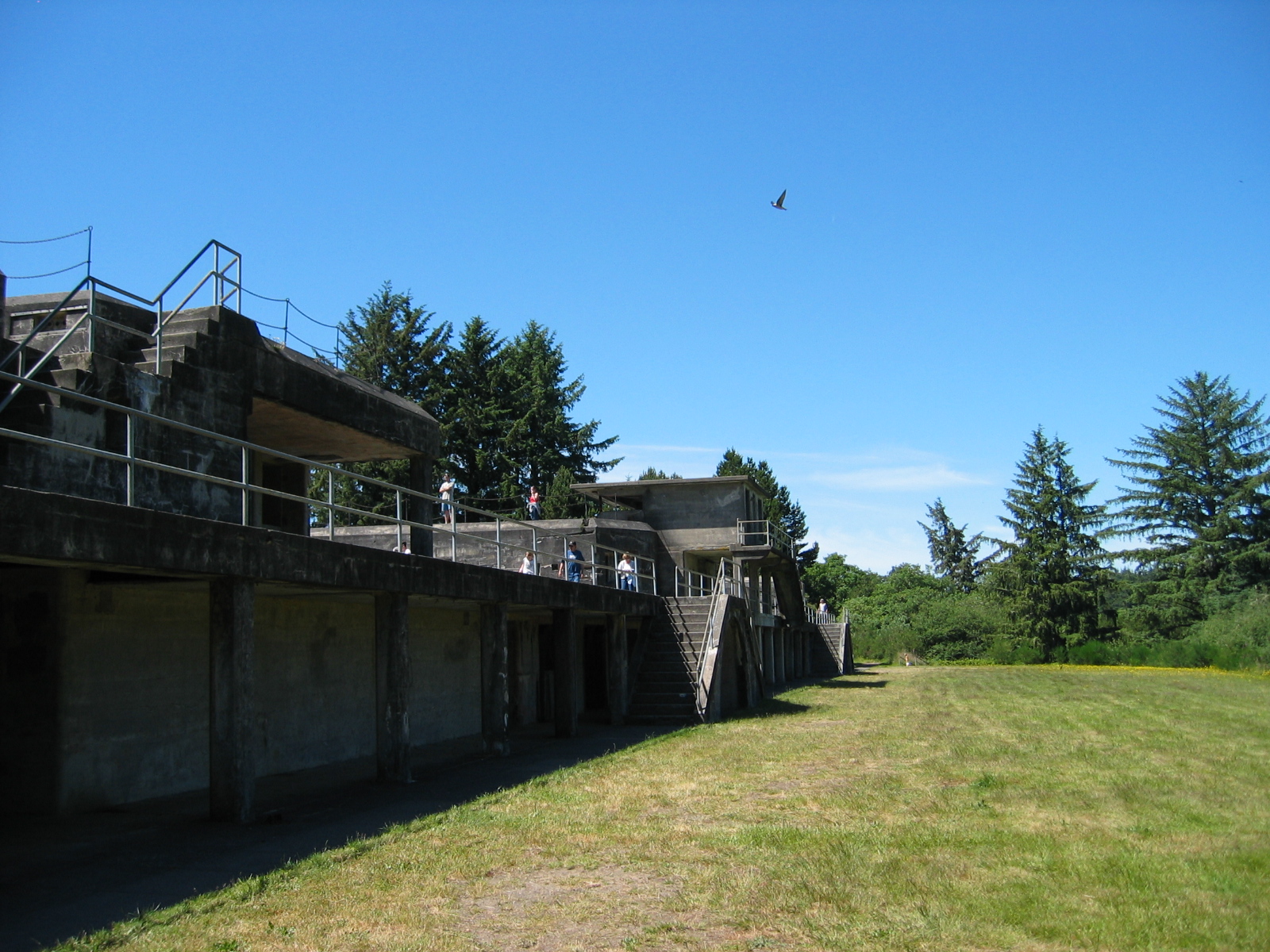
At Fort Stevens State Park, on the Oregon coast where the Columbia River meets the sea, people keep meeting a soldier at Battery Russell who isn't there. He stands at attention by the old gun emplacements, or walks the ramparts slowly, like a man still on his watch. He looks solid until someone steps toward him. Then he's gone.
Witnesses describe him in a uniform out of the 1940s, sometimes shining a flashlight into the trees, sometimes carrying a long knife. Visitors report cold spots around the battery's concrete. At the campground, one of the busiest on the coast, people hear heavy footsteps in the gravel outside their tents at night, step out to look, and find no one. Only fresh footprints in the loose stone.
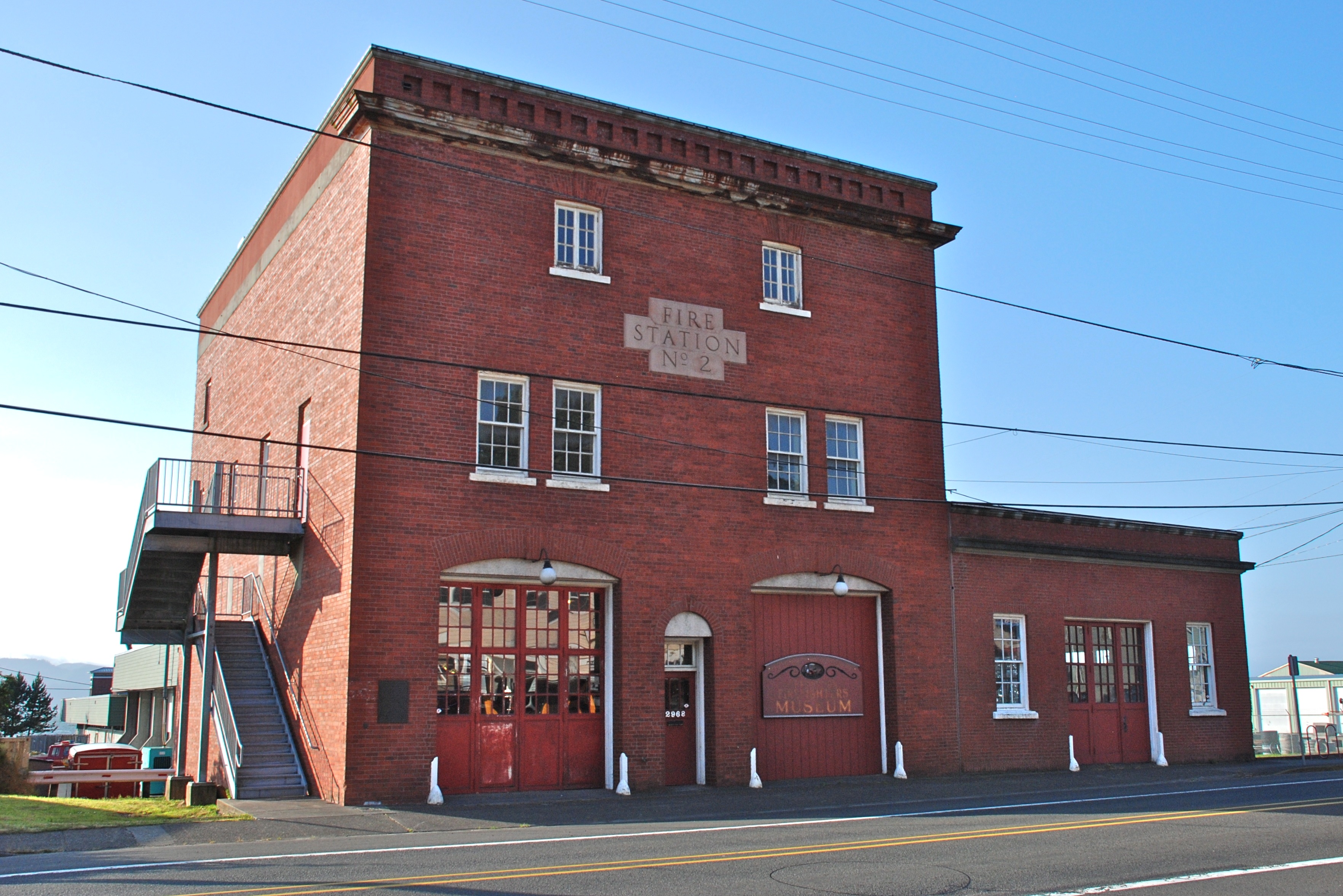
He keeps wider hours than the battery. People report him along the park trails and out on the beach near the Peter Iredale shipwreck, where he walks until someone gets close and then there is no one to get close to. At the old guardhouse, a museum now, visitors photograph orbs they can't explain and describe a figure pacing the yard after dark.
Battery Russell took the only enemy fire the fort ever saw. On the night of June 21, 1942, the Japanese submarine I-25 surfaced off the river mouth and fired 17 shells at it, making Fort Stevens the first military installation in the contiguous United States to take enemy fire in World War II. The gunners were ordered not to answer. Colonel Carl Doney called a blackout and forbade his men to fire, partly to keep the fort's position hidden, partly because the spotters plotted the sub as out of range. The shells fell in a baseball field and a swamp. The only real damage was a severed telephone cable. No one was hurt.
So no soldier died at Battery Russell, not even in 1942. Whoever walks it in a 1940s uniform, the record has no body for him.
The fort does have one death it can't settle. Private August Stahlberger was the first man buried in its cemetery, in 1868. His death was written down first as a drunken drowning, a fall into the river "under the influence." The post was isolated enough that heavy drinking was its reputation, and the first story was easy to believe. Then the official cause was quietly changed to "death caused by blows from a person or persons unknown." A drowning became a murder on paper, with no name attached to the blow. 150 years later, nobody has closed it.