Fayette is a preserved iron-smelting ghost town on Michigan's Upper Peninsula, abandoned since 1891. Visitors report doors swaying in dead-still air and footsteps in empty buildings. Every September, the state runs an official ghost hunt of its own.
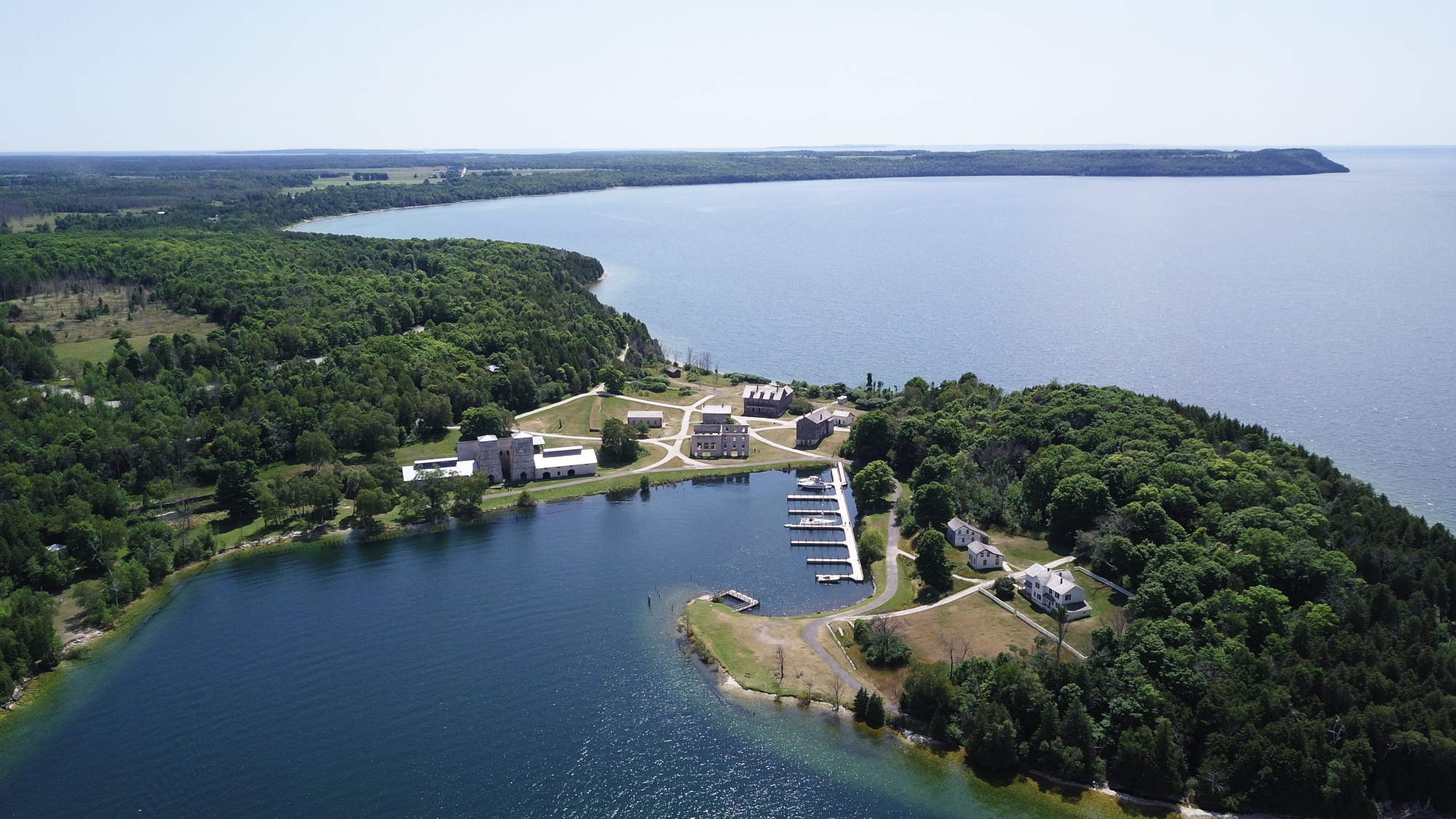
Fayette is a ghost town on the Garden Peninsula of Michigan's Upper Peninsula, wrapped around a limestone inlet called Snail Shell Harbor, and people who wander its preserved streets keep noticing the doors. They swing and rock on their latches when the air is dead still. Footsteps echo through buildings with no one in them. Hinges creak in empty rooms. The whole place has the look of a town its people set down and walked away from.
It was built to smelt iron. The Jackson Iron Company founded the town in 1867, named it for its general manager Fayette Brown, and lit two 30-foot limestone blast furnaces in 1869, fed by charcoal burned from the surrounding hardwood forests. At its peak nearly 500 people lived here, an unusually diverse crowd for the era — immigrants from Canada, Finland, and Norway, alongside African American and Ojibwe workers. Over 24 years those two furnaces turned out 229,288 tons of pig iron.
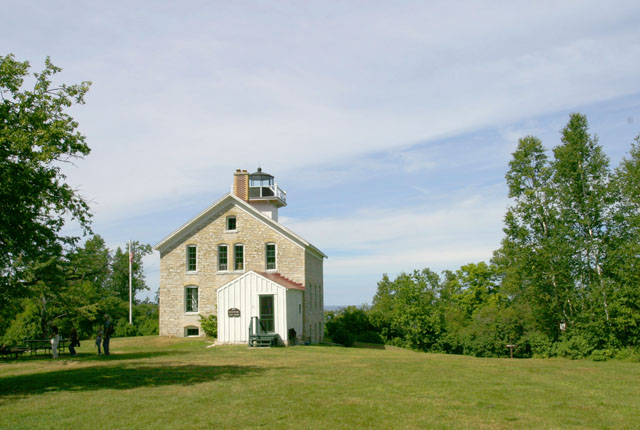
Then the forests ran out. With no more hardwood to burn into charcoal, and newer steelmaking making charcoal iron obsolete, the furnaces went cold around 1890 to 1891 and the workers drifted off to find jobs elsewhere. The exit was orderly, not the single-night evacuation the legend likes to tell. By 1916 only about 20 people remained, fishing and farming the edges of the bay. The State of Michigan bought the largely empty townsite in 1959 and turned it into a state park. More than 20 original buildings still stand — the hotel, called the Shelton House, the company store, the machine shop, worker housing, a school, and the furnace ruins set into the limestone cliffs.
Here is the strange part. The state leans into the ghost story. Every September the Michigan DNR runs an official after-hours paranormal investigation at Fayette, co-hosted with the Michigan Advanced Paranormal Society. Visitors learn how investigators work and join a real hunt through the historic buildings after dark, free with an optional donation toward the park. It has run since at least 2019, and a state government holding a ghost hunt on its own preserved property is about as official as a haunting gets.
Staff have a flatter answer for the swaying doors. "Staff noted that building ventilation and the bay's microclimate often influenced these movements." And one ghost-town guide is blunt about the rest: "You won't find officially documented ghostly apparitions or haunted locations here."
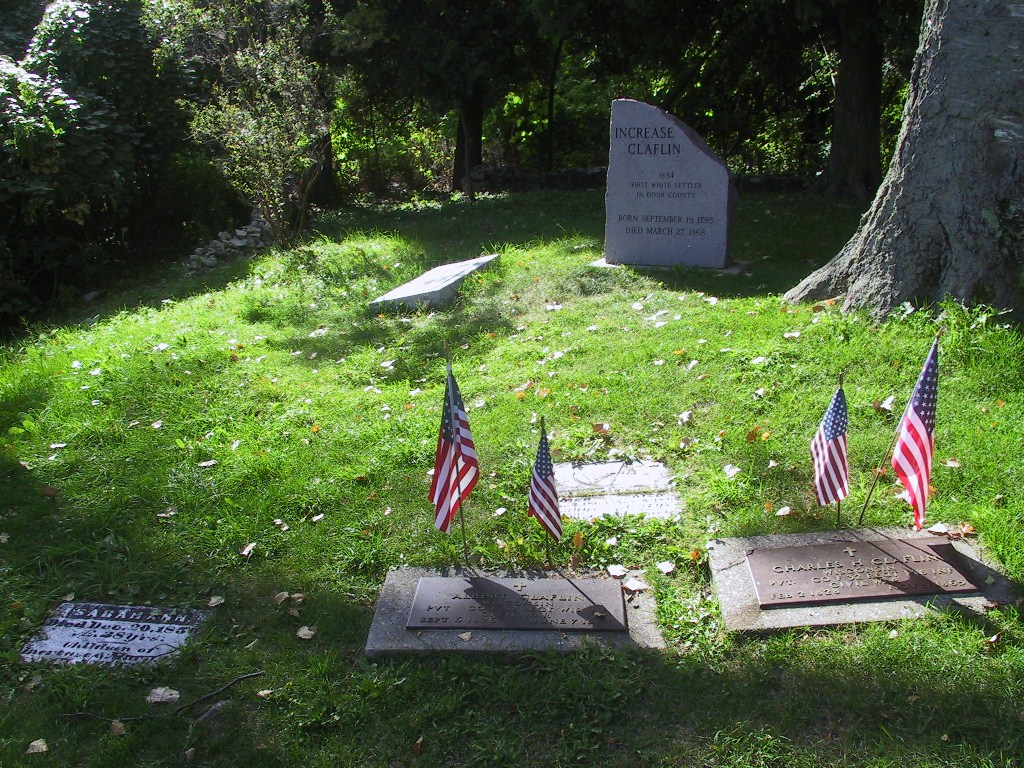
No grave, no name, no recorded haunting. Just a whole town that stopped, the doors rocking on dead-still days, and a state government that hosts a ghost hunt inside it anyway.