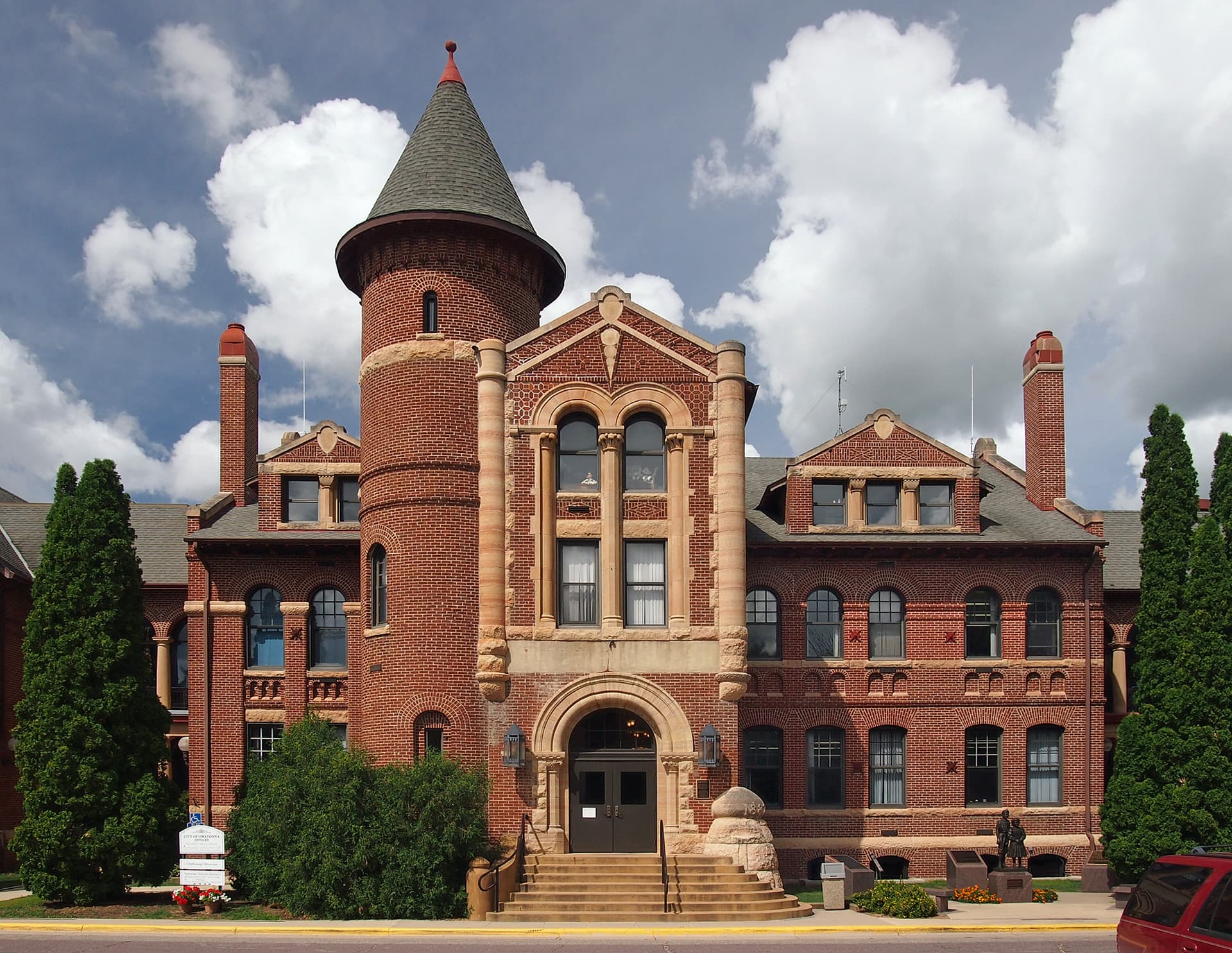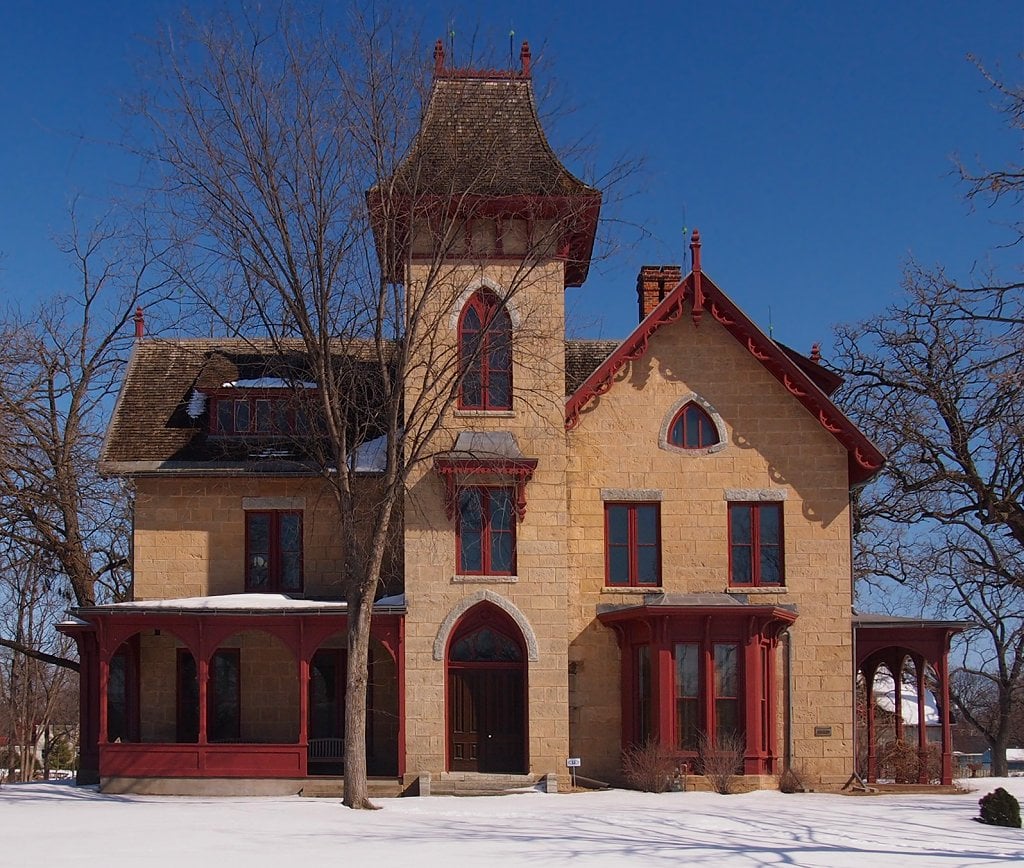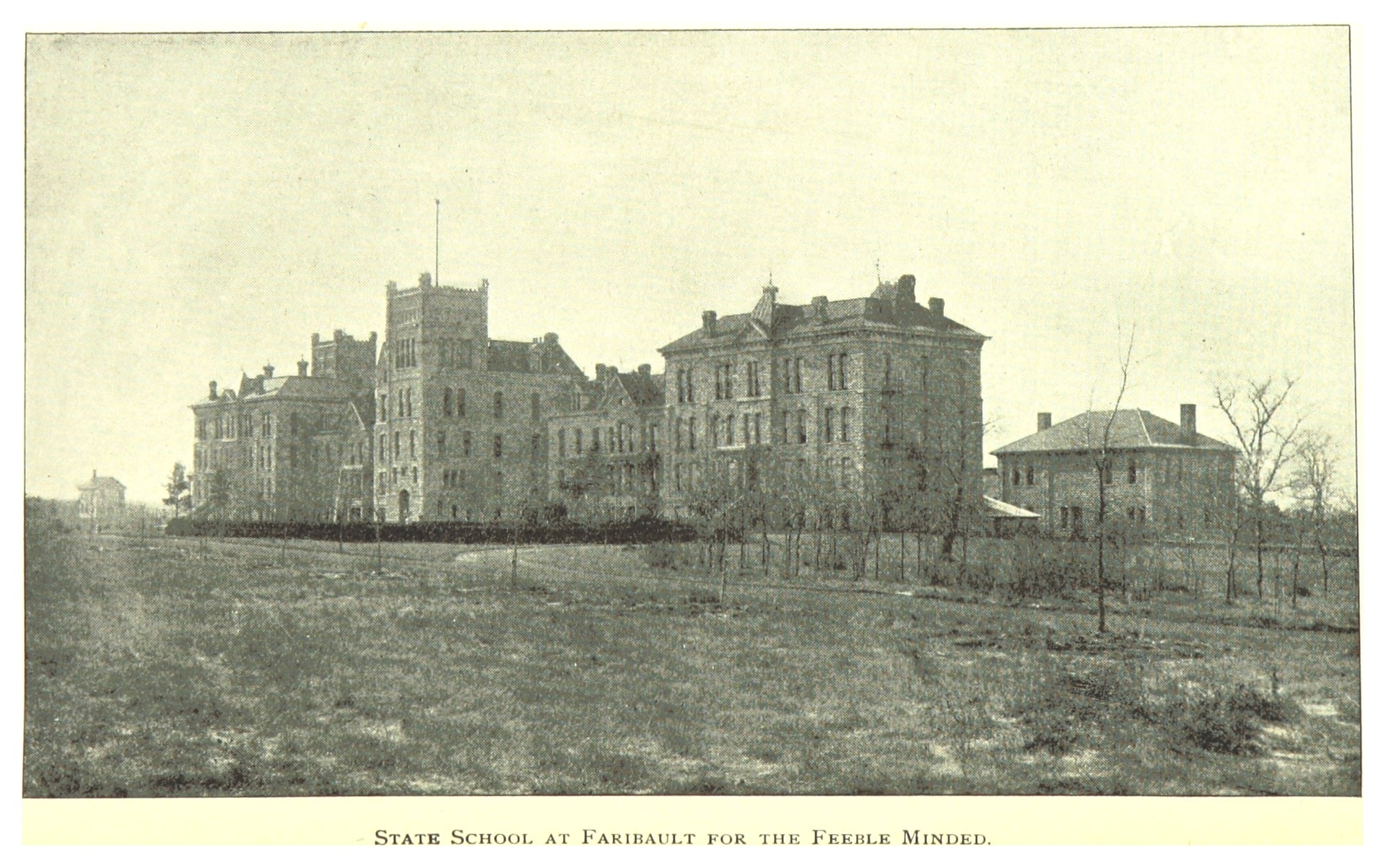
At the abandoned Faribault State School and Hospital in Minnesota, paranormal teams keep recording a small girl's voice. One captured her asking "What about me?" — a fitting question at a place that buried its dead under numbered markers, not names.
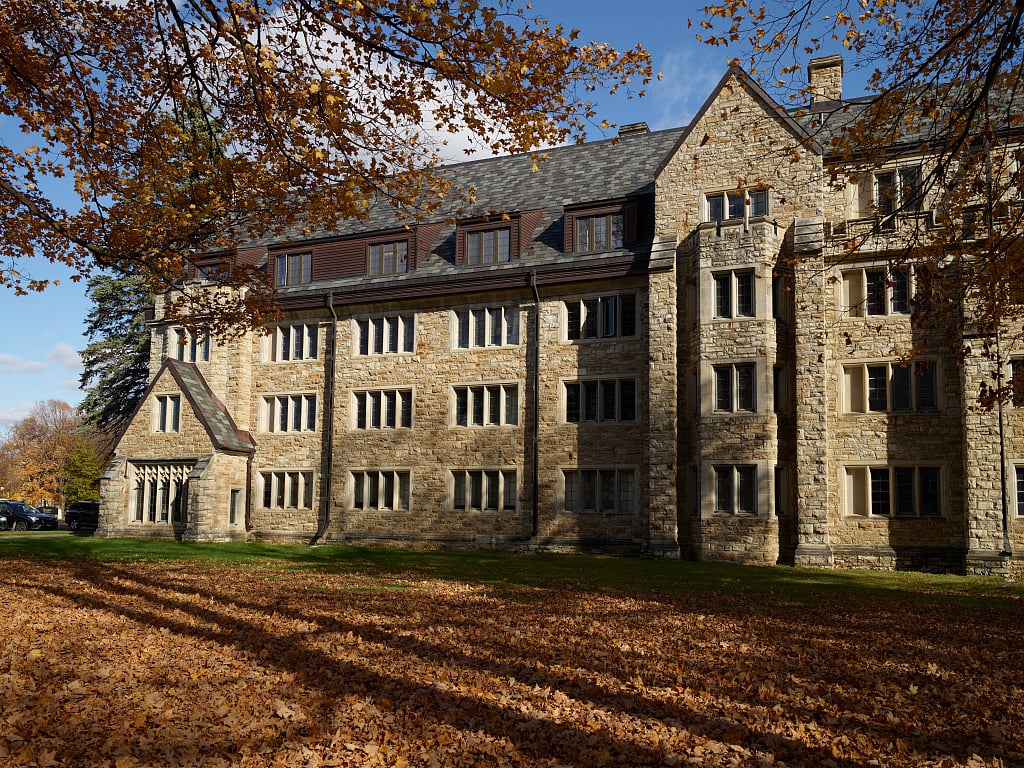
At the abandoned Faribault State School and Hospital in Faribault, Minnesota, the favored building for ghost hunters is an old dormitory called Walcott Mills, where teams have found porcelain dolls and reported being touched in the dark. What they go looking for is a child. One investigator, Jerry Ayres of Supernatural Investigators of Minnesota, described walking out of a concrete building when a small voice spoke up out of nowhere. "Then, this little girl spoke up out of nowhere and said, 'What about me?'"
It lands harder once you know what the place was. It opened in 1879 as an experimental school for "feeble-minded children," and over the next century it became the main site of Minnesota's eugenics program. Most of the state's forced sterilizations were performed here, overwhelmingly on women, on people who never consented. The surgeries peaked at 188 in a single year, 1937. One 1935 record described a Native American woman, institutionalized at 15 while pregnant, as a "dirty little red girl." She was sterilized.
By 1955 the campus held 3,355 residents and 639 staff. Below it ran a network of tunnels, dug in 1913 with ceiling tracks so carts of food from the central kitchen could be trolleyed between buildings without anyone going outside. The passages are still accessible today.
A 1947 report set down the conditions plainly. Roughly a third of patients were kept in restraints because there weren't enough staff. Children were tied to toilets so they wouldn't fall. One worker was caring for 71 severely disabled children. The food budget came to $60.83 per patient per year. Disruptive residents were sent to a room called the Quiet Room.
Then there is the cemetery. The people who died here were buried under markers that carried only numbers — figures scratched on metal tags or chiseled into concrete cylinders. An 11-year-old boy who died of heat prostration in 1941 was remembered, for decades, by a plug stamped 551. Starting in 1997, a nonprofit called Remembering With Dignity began replacing the numbers with engraved headstones, returning names the state had taken off the record.
The school closed July 1, 1998, and a prison went up on part of the grounds. The people who say they hear the girl can't tell you who she was. Neither could the markers. For a hundred years the place was built to make its residents anonymous, and the one thing it kept asking, on tape, was to be remembered.