TLDR
Fairfield Hills opened in 1931 to house criminally insane patients and ran until 1995. The treatments used here — many of which are now considered barbaric — left a mark on the campus that investigators still talk about.
The Full Story
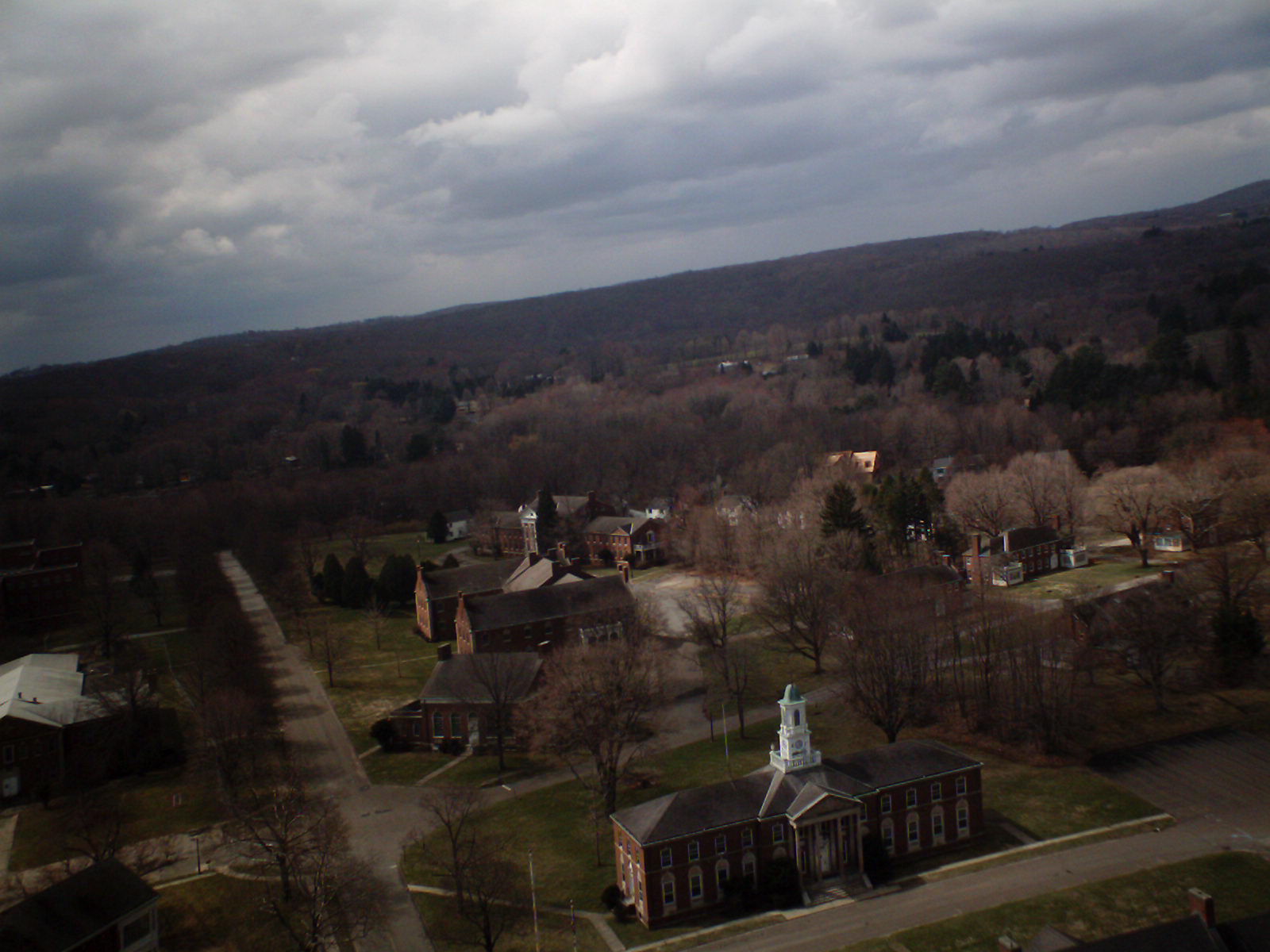
Verified · 13 sourcesFairfield Hills State Hospital rises from the rolling countryside of Newtown, Connecticut, a sprawling complex of Georgian Revival brick buildings that once housed over 4,000 psychiatric patients. Built between 1929 and 1933 on 800 acres of farmland, the hospital was designed by architect Walter P. Crabtree Sr. to resemble a college campus rather than an asylum--a deliberate philosophy meant to convey dignity rather than confinement. But behind those stately red brick facades, horrors unfolded that have left an indelible mark on the property.
The hospital opened on July 5, 1933, receiving 32 male patients transferred from Connecticut State Hospital. Within a year, that number swelled to 536. By the late 1940s, overcrowding had reached crisis levels, with patient populations peaking at over 4,000 by the 1960s. The treatments administered here were standard for the era but are now recognized as barbaric: hydrotherapy involving prolonged immersion in cold water, insulin coma therapy that deliberately induced low blood sugar seizures, electroshock treatment introduced in 1941, and the prefrontal lobotomy.
Fairfield Hills earned a dark distinction in medical history. Beginning May 25, 1946, Dr. Bernard S. Brody performed 107 lobotomies within a single year. The results were grim: only 35% of patients showed even slight improvement, 26% showed no change, and 4% died during or shortly after the procedure. The suffering was compounded by chronic understaffing--the Board of Trustees learned that patients were kept in "mass seclusion" because there simply weren't enough workers to care for them. Some patients starved without feeding assistance.
Scandal plagued the institution. In November 1941, a patient died from a severe beating. An autopsy revealed the brutal truth, and five attendants were fired. Two were convicted of manslaughter, one of assault. The superintendent, Dr. Clifford D. Moore, worried the abuse would tarnish the hospital's reputation--but this was just the beginning. In November 1945, an inquiry into "serious charges of maladministration" forced the superintendent to resign. By the late 1950s, the average annual death toll at Fairfield Hills was 346 patients per year. In December 1944 alone, 41 patients perished from influenza and bronchopneumonia.
Beneath the manicured grounds lay a labyrinth of concrete tunnels connecting all 16 patient buildings. These passages were used to transport patients, equipment, food from the central cafeteria in Bridgeport Hall--and corpses to the on-campus morgue. Former staff members have confirmed the unsettling reality: "Occasionally I had to transport deceased patients through the tunnels to the morgue."
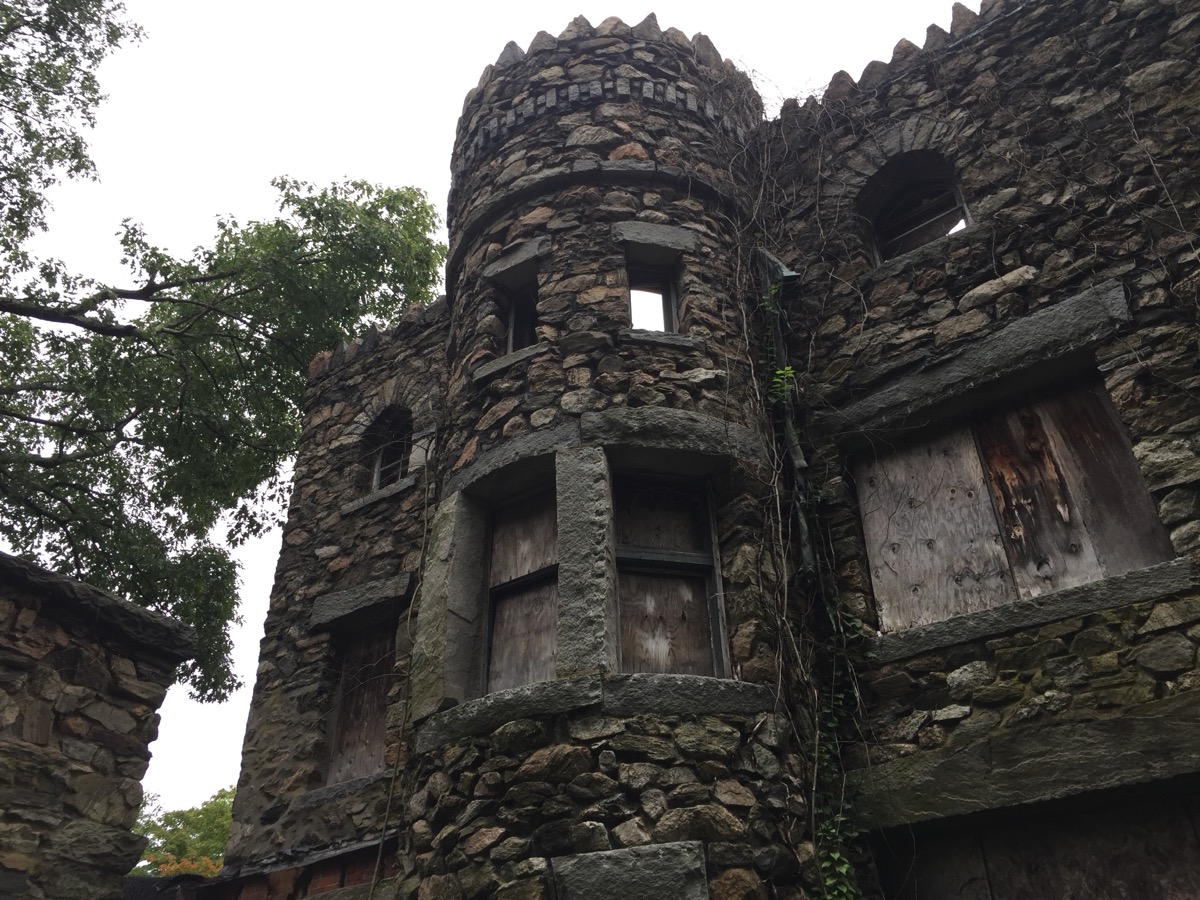
When Governor John Rowland closed Fairfield Hills on December 8, 1995, the remaining patients were transferred to Connecticut Valley Hospital. The abandoned complex quickly became a magnet for urban explorers, photographers, and ghost hunters. MTV filmed an episode of "Fear" on the grounds in September 2000, disguising the location as "St. Agnes Hospital" to discourage trespassing. Director Luis Barreto later described the experience: "That place was not good. There were weird cold areas in some rooms. Half the room would be cold, half wouldn't be. There were nasty smells all over the place. I actually got sick." During filming, one contestant reportedly began "speaking in tongues" during a seance in the basement.
The Syfy series "Ghost Hunters" investigated in April 2011, capturing some evidence though nothing definitive. Investigators who have explored the buildings report a consistent catalog of phenomena: voices that sound like screaming in pain, heavy footsteps echoing through empty corridors, dark figures crouching in doorways, and the overwhelming sensation of being watched. The underground tunnels are particularly notorious for whispered voices and phantom footsteps. Witnesses have reported seeing figures dressed in white--believed to be former patients or staff--wandering the grounds at night.
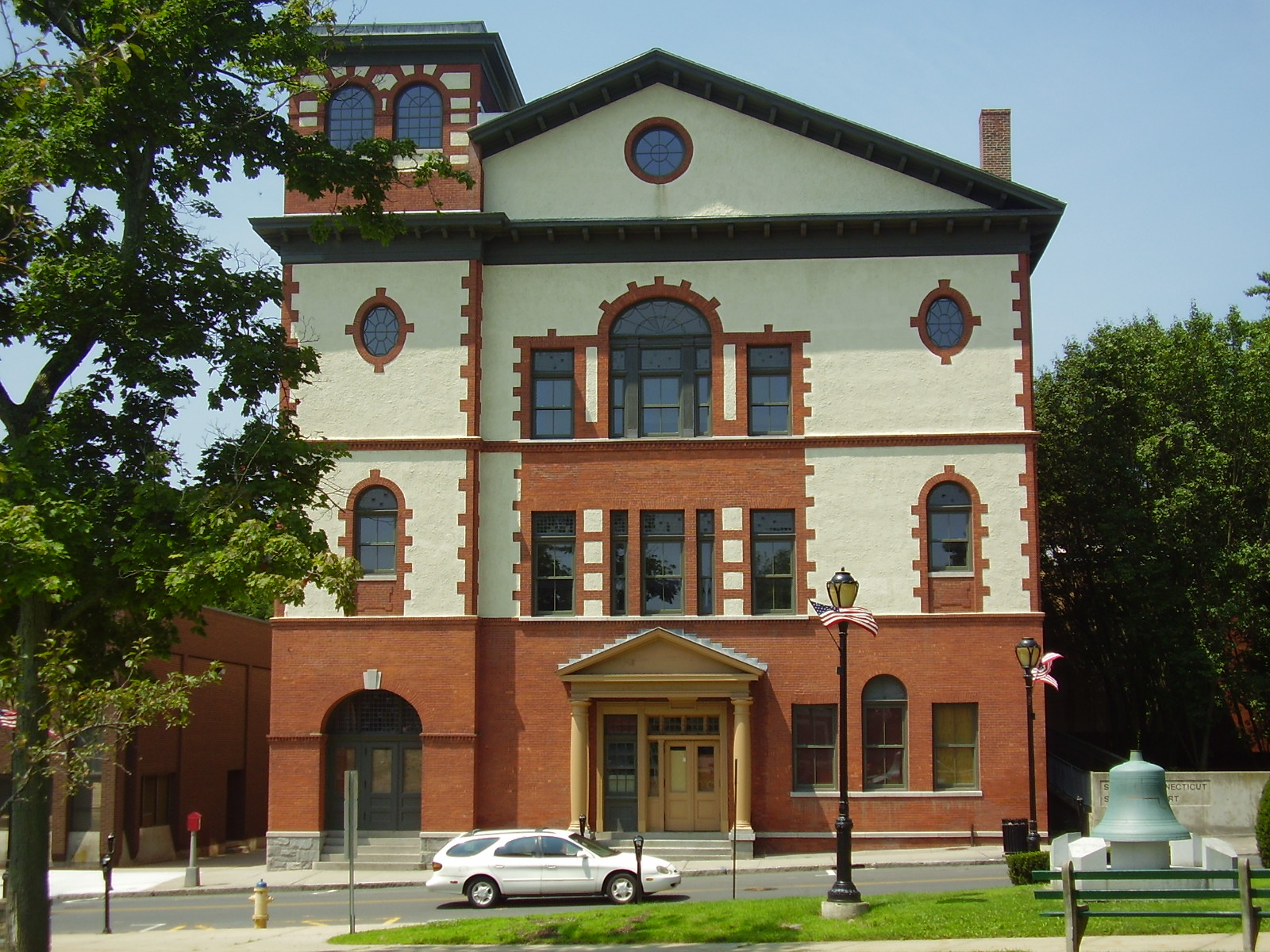
The Town of Newtown acquired the property in 2004 for $3.9 million. In 2009, officials sealed the tunnels by welding access points shut and filling passages with concrete. Several buildings have been demolished, including the morgue, while others have been repurposed--Bridgeport Hall now houses municipal offices, and the former Stratford Hall became NewSylum Brewing Company in 2020. In September 2024, the campus was officially listed on the National Register of Historic Places, which will prevent further demolitions.
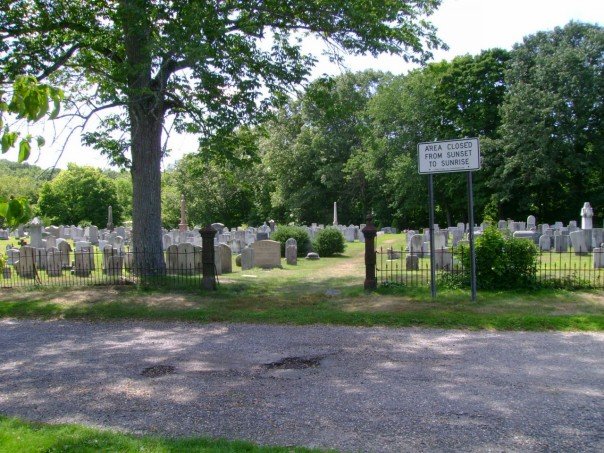
The grounds are open to the public for walking trails and recreation, but the vacant buildings remain strictly off-limits. Police patrol heavily, especially around Halloween, issuing trespass violations to those who attempt to explore.
Visiting
Fairfield Hills State Hospital is located at 3 Main Drive, Newtown, Connecticut.
Researched from 13 verified sources including historical records, local archives, and paranormal research organizations. Learn about our research process.