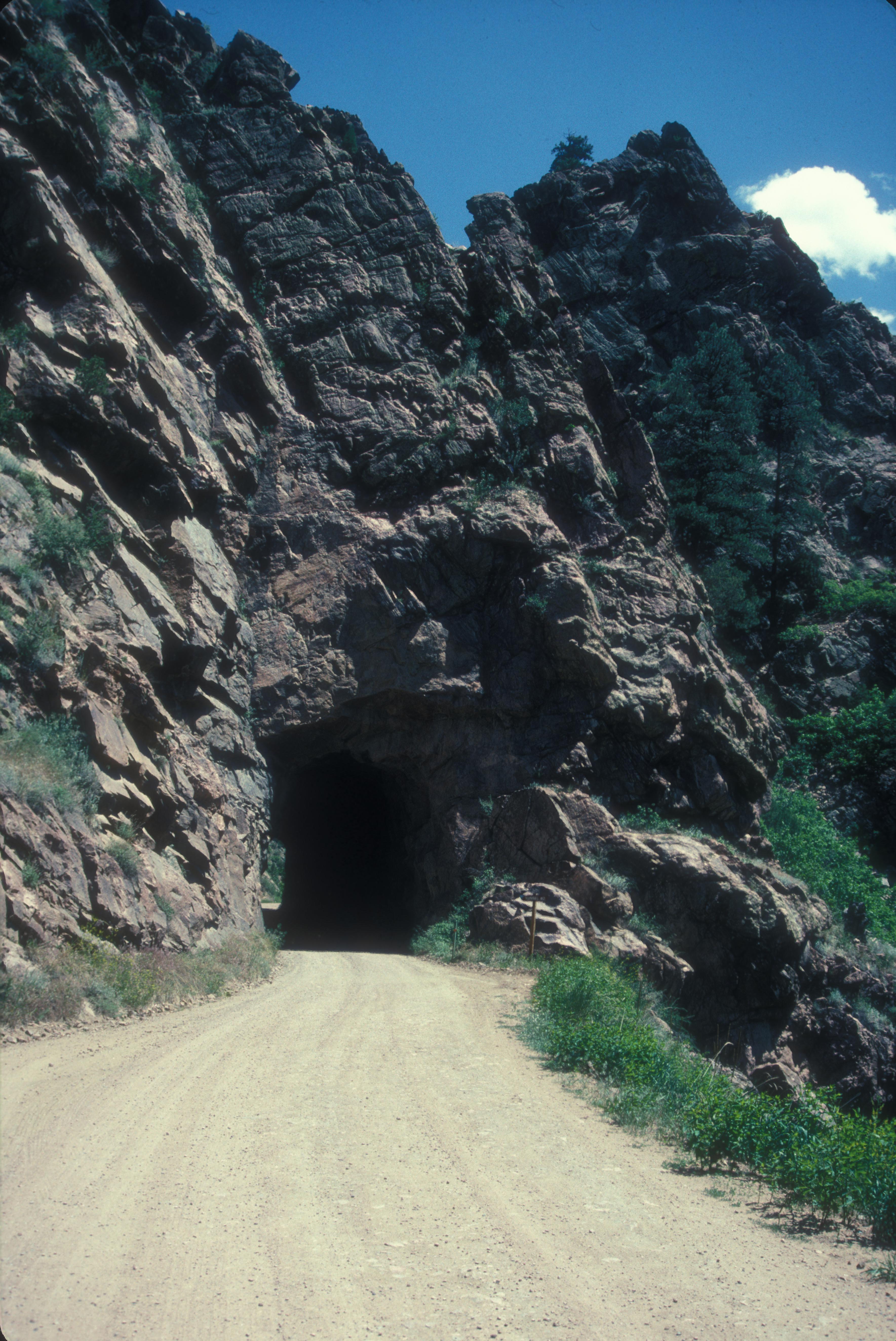
Phantom Canyon Road in Colorado got its name from a ghost. In the 1890s, train passengers spotted a man in a prison uniform walking the tracks below, recognized as an inmate executed at the Canon City prison days before.
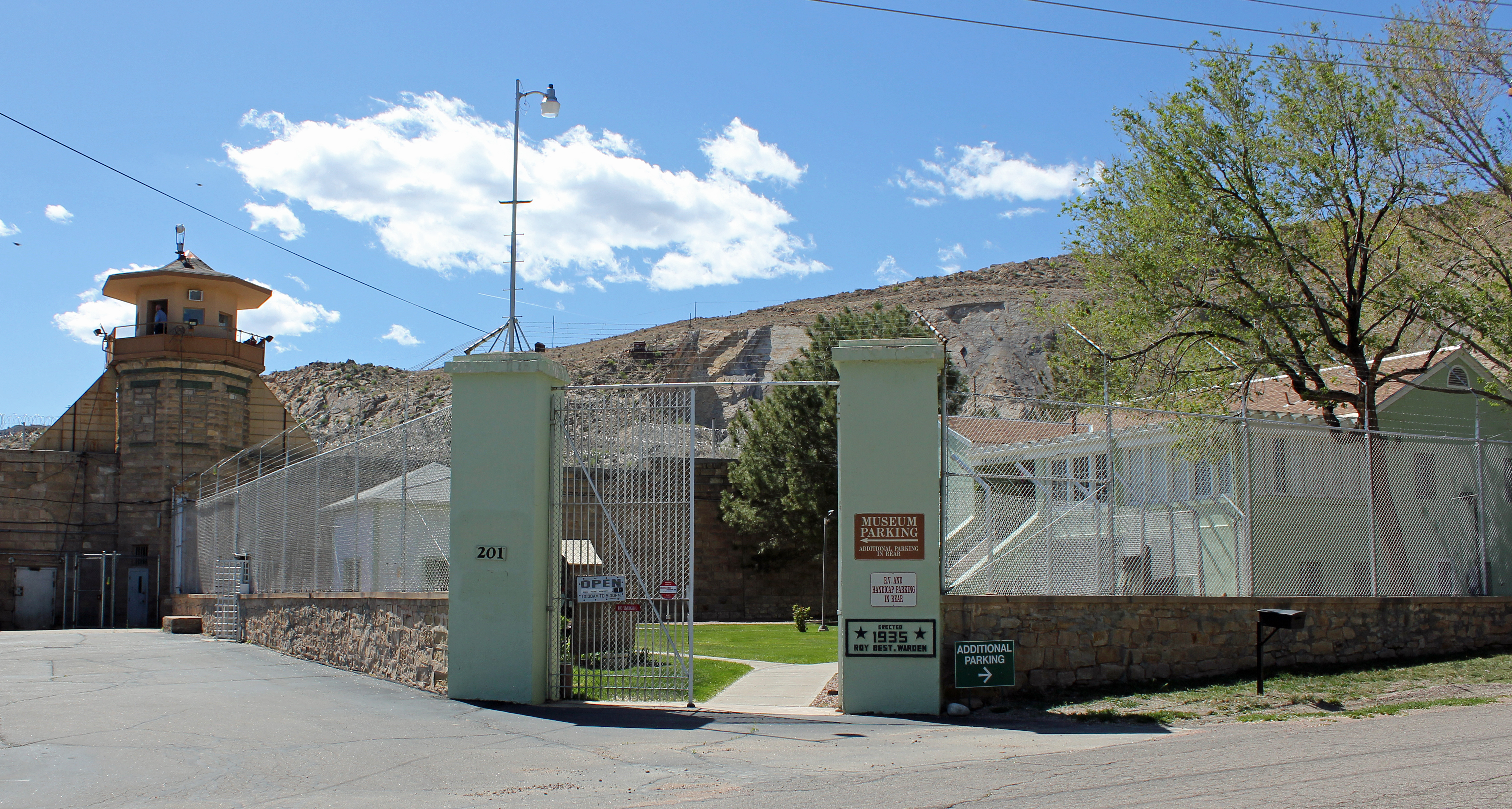
Phantom Canyon Road is a 30-mile gravel road in Colorado, and it was named for a man in a prison uniform. In the 1890s, before there was a road at all, passengers on the Florence & Cripple Creek line watched a figure walking the tracks below the train. A few of them recognized him. He was an inmate from the state prison down in Canon City, at the canyon's south end, and he had been executed there only days earlier.
The name comes from him. The trains came first.
The railroad was a narrow-gauge line, built in the 1890s and completed up to Cripple Creek in 1894, run to carry gold out of the mining district. It climbed roughly 5,500 to 9,500 feet through the canyon over hand-carved tunnels and narrow bridges. Then the canyon turned on it. In July 1895, a flash flood roared down Eight Mile Creek near Adelaide, a wall of water that smashed the Great Elk Hotel with people inside and washed away miles of track, killing five. A second flood in 1912 tore out more bridges. Rather than rebuild a third time, the company dissolved in 1915.
The tracks were pulled up in 1918, and the grade became the road drivers take today. Everything they pass was laid for trains, not cars: the granite cuts, the two hand-carved tunnels, the lone surviving bridge over Eightmile Creek, now on the National Register.
The man in the uniform stayed. Colorado Culture Magazine puts it plainly: "Legend has it that the ghost of the executed prisoner still appears at the edge of the narrow, twisting road." Other tellings add the spirits of miners and railroad men along the old grade, and drivers report eerie sounds throughout the canyon. No source names the prisoner. No record gives his crime or the date he died.
That part is what holds. The road carries the name of a man whose name no one wrote down, walking tracks that were torn up a hundred years ago.