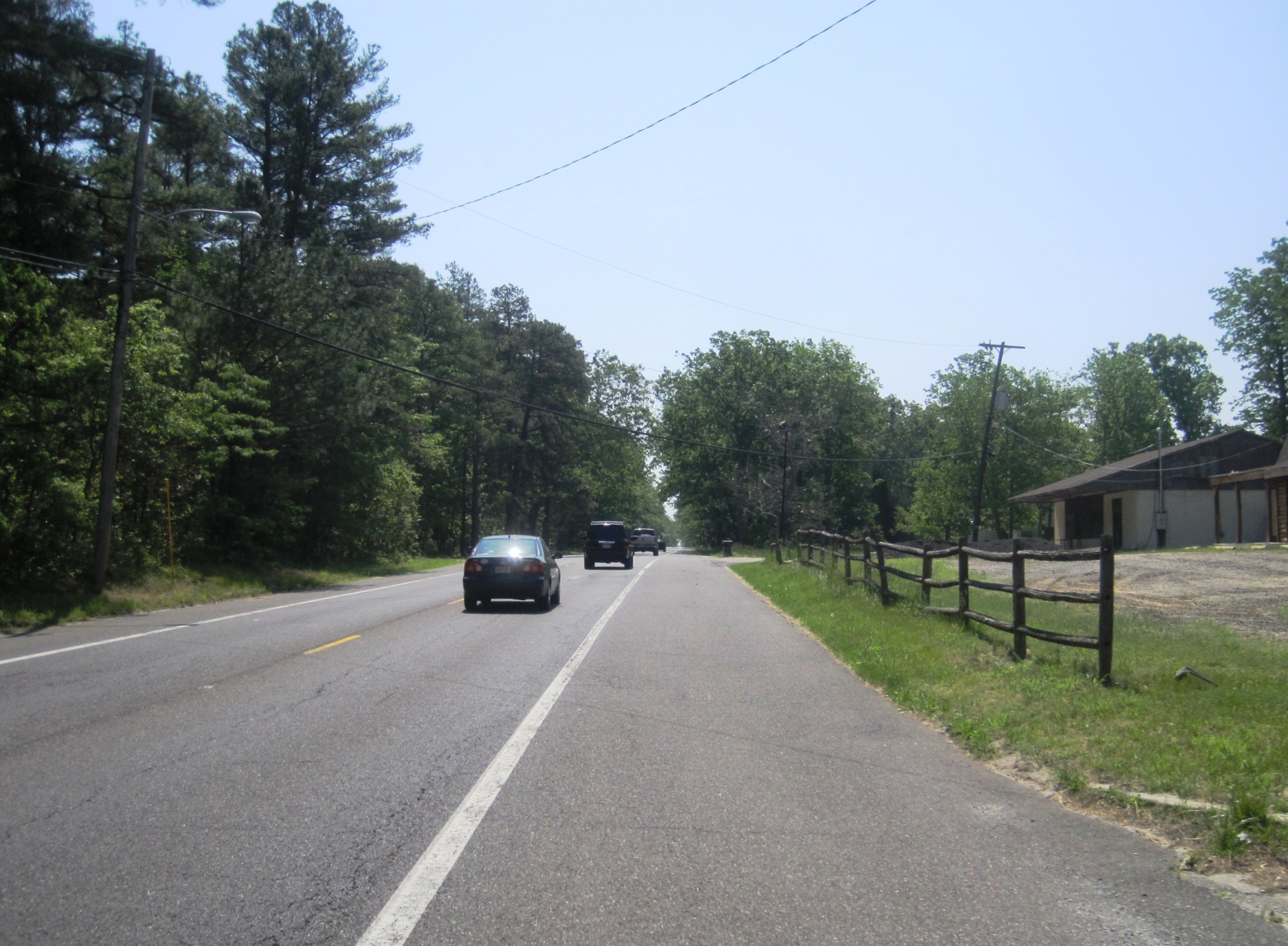
Ong's Hat is a New Jersey ghost town that emptied so fast it felt erased. A Polish couple vanished here and a skeleton turned up in the scrub. Decades later a writer set a fake dimensional portal in these exact woods, and people still come looking for it.
Ong's Hat is a place in the New Jersey Pine Barrens that emptied out so completely it became a kind of dare. It sits off Magnolia Road in Burlington County, near where Routes 70 and 72 cross, and marks the northern end of the Batona Trail. People still park where the pavement ends and walk into the trees with flashlights, looking for a door to another world.
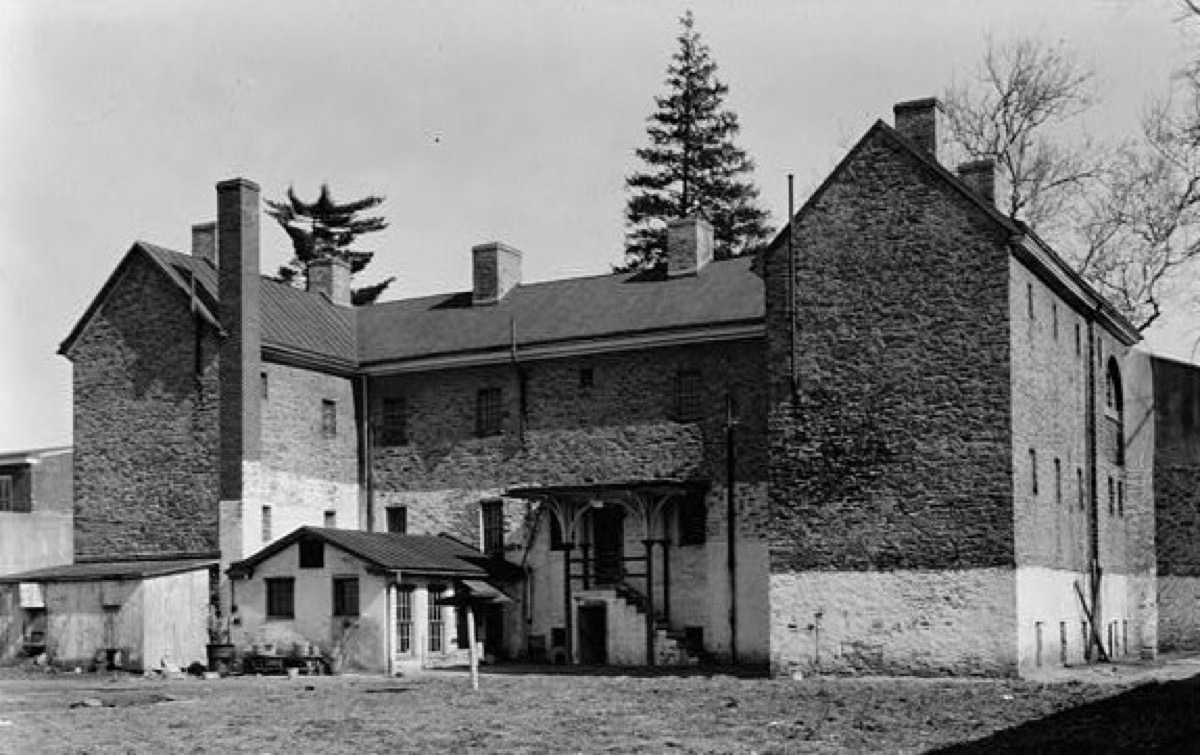
There was a town here once. In the 1860s it was a rowdy crossroads known for its available alcohol, the site of one of the state's early bootlegging arrests. How big it ever got is genuinely disputed, one account says it was never more than a single hut, another describes a small cluster of houses and a tavern. Even the name is argued over: a local man named Ong, the story goes, had his silk hat stomped by a jealous rival, flung it away, and it lodged high in a pine where it sat for years as a landmark. Whatever it was, the place hollowed out. By 1936 the folklorist Henry Charlton Beck found a clearing, an abandoned shed, brick scattered in the sand, and one last resident, an elderly former Chicago farmer living alone on his acres.
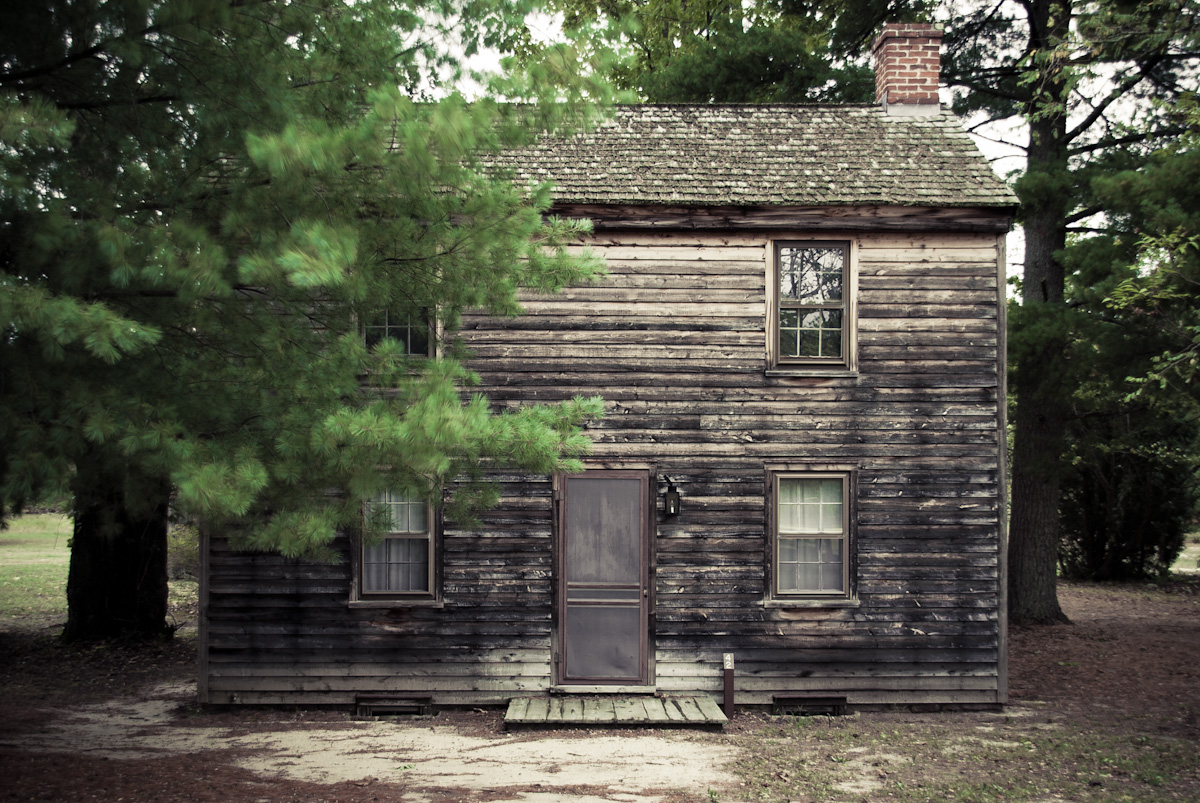
Somewhere in that long fade, a Polish couple named the Chininskis moved into one of the final cabins, with only about seven people left in town. They vanished. Years later, the bones of a skeleton turned up in the scrub. The county's chief detective, Ellis Parker, the man the papers called the American Sherlock Holmes, took the case and never closed it. Sources disagree on the details, whose remains, which spouse, who was suspected, but they agree on the shape of it: a couple gone, a skull recovered, a question Parker carried for years. He is said to have kept it in his office, the skull of an unsolved vanishing, sitting on a shelf.
That emptiness sat quiet until the late 1980s, when a writer named Joseph Matheny circulated "The Incunabula Papers." The story claimed renegade physicists, expelled from Princeton, had built a machine in these woods called the Egg and stepped out of the material world entirely. It spread across bulletin boards, zines, and late-night radio, and it's often called the first alternate reality game. Followers called themselves Eggheads.
In 2001 Matheny announced the whole thing was fiction. Many of his followers refused to believe him, deciding his denial was proof of a cover-up. He has said for decades that there is no portal. They still drive Magnolia Road at night to look for it.