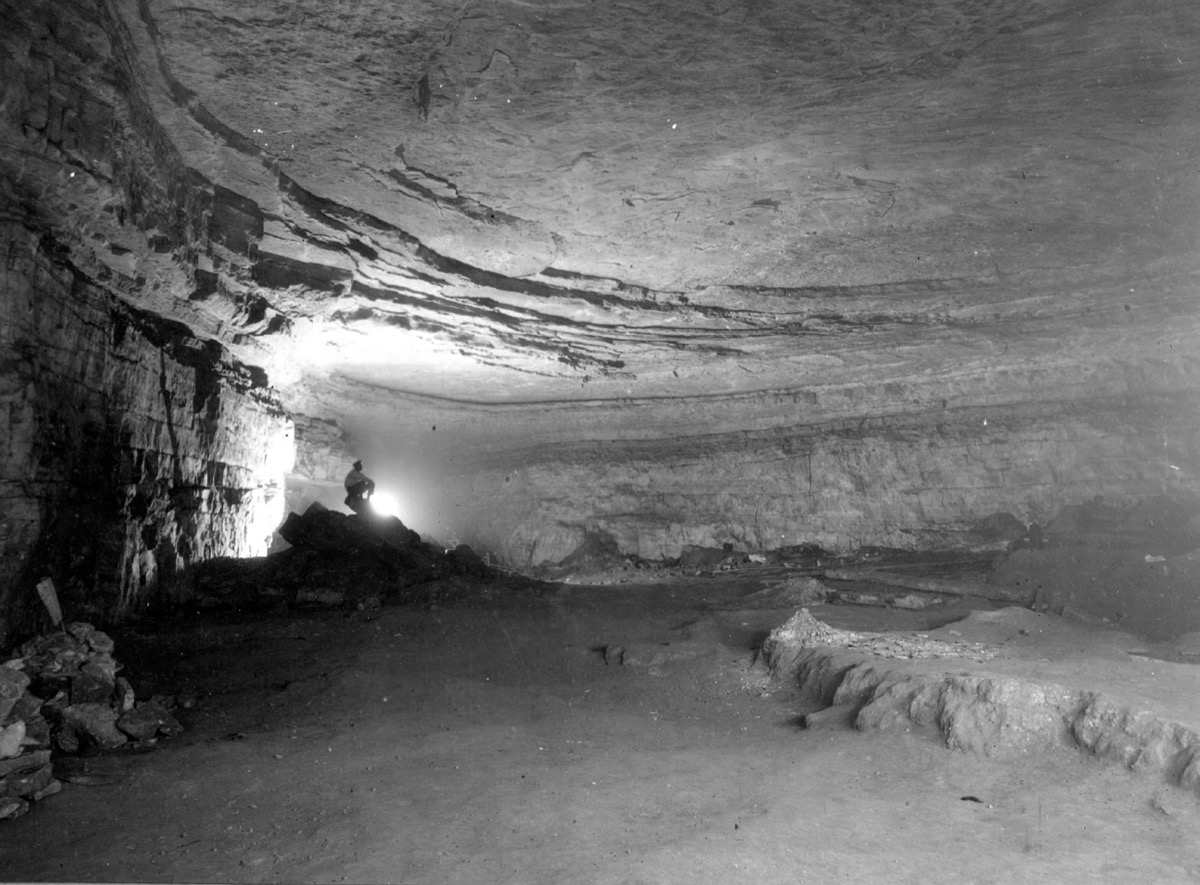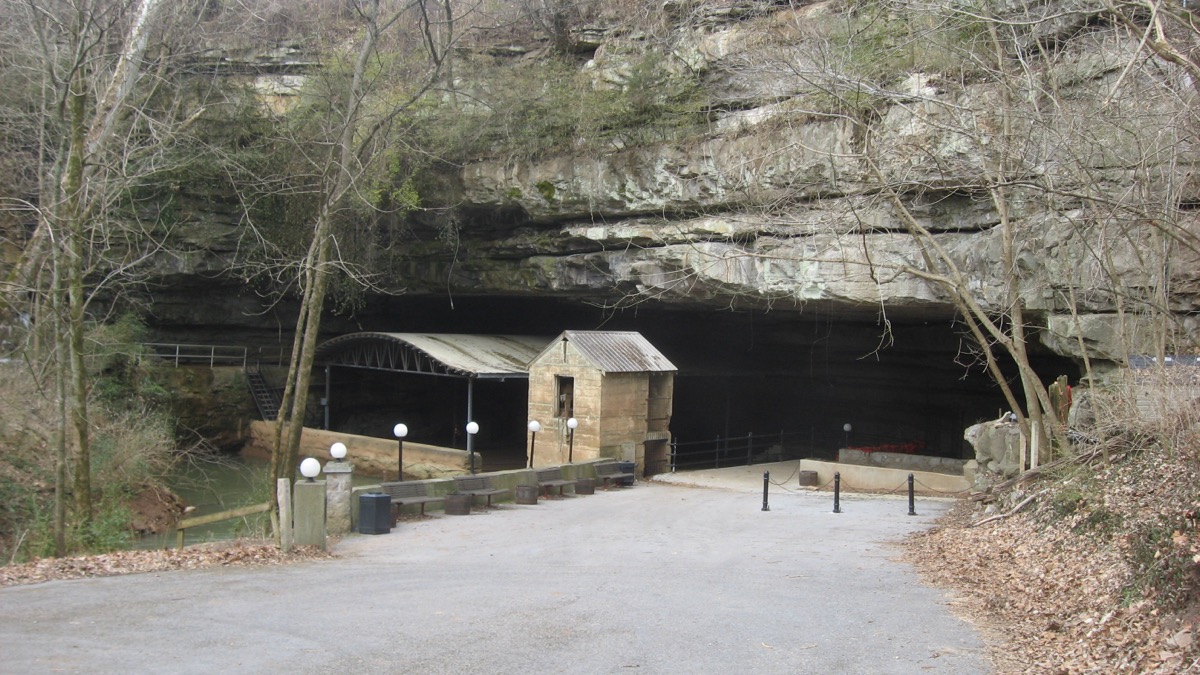
At Lost River Cave in Bowling Green, Kentucky, Union soldiers crawled into the dark during the Civil War and wrote their names on the ceiling with candle smoke. Researchers later matched some of those names to real military records. The men are gone. The roll call stayed.
At Lost River Cave in Bowling Green, Kentucky, there is a roll call written on the ceiling, and the men who answered it have been dead for more than a century. They wrote it themselves, in candle smoke, by hand.
From 1862 to 1865, nearly 40,000 Union soldiers camped in and around this valley. There was no battle here. It was a staging ground, a place to wait. And waiting men crawled into the dark with a candle and held the flame to the stone until the soot spelled out their names, their ranks, their company numbers. Researchers have since matched many of those signatures to real military and pension records. The names belonged to people who existed. Some of them did not come home, and their handwriting is still up there in the cave, legible, where they left it.
The valley kept collecting darker names too. Locals once called the place Dead Man's Cave, and Purgatory Cave, though no one wrote down who first did. The story goes that Jesse James and his gang hid here after robbing a bank over in Russellville in 1868 — a robbery that did happen, the first the James gang ever pulled, over $9,000 taken and the bank president shot and wounded. Whether the gang actually went to ground in this cave is another matter; the cave's own director has called that part unlikely.
Then it got strange in a different direction. In 1934 a businessman opened the Cavern Nite Club right in the mouth of the cave, a stage and a bar and a dance floor underground. Dinah Shore sang there. In 1939 Billboard called it the only air-conditioned nightclub in America, because the cave did the cooling for free. The club closed in 1962, and the property went on to become one of the largest illegal dump sites in the state before it was finally cleaned up and reopened.
The cave runs a seasonal evening tour now, by boat through the dark, that surfaces the history the day tours leave out — the soldiers who died on the property, the ones the tour says may or may not still be present. The CEO puts it plainly. "Any time you have a piece of property that is this old and has been used for this long," he said, "scary stories just kind of naturally, organically develop."
He's standing under the ceiling when he says it.