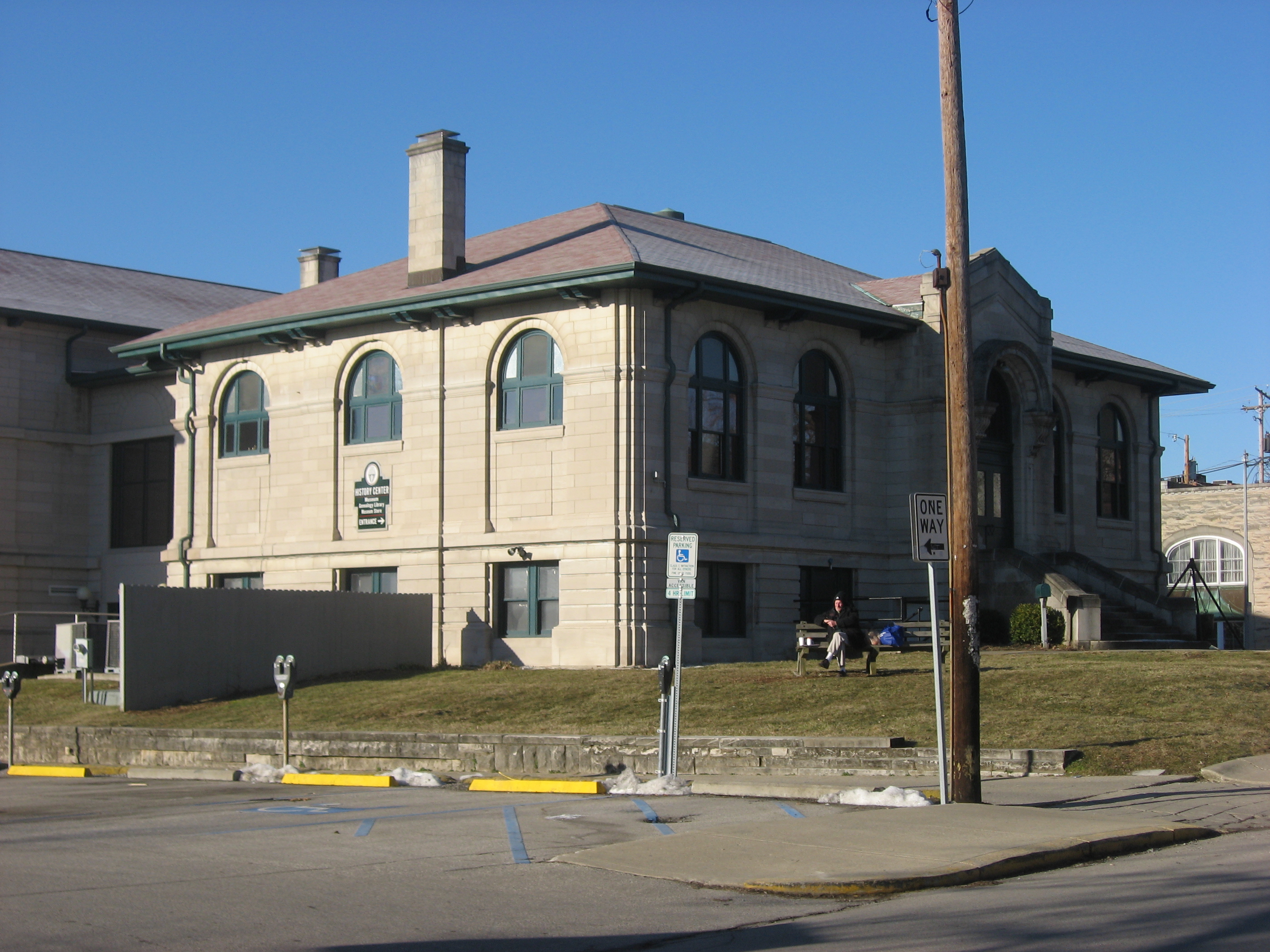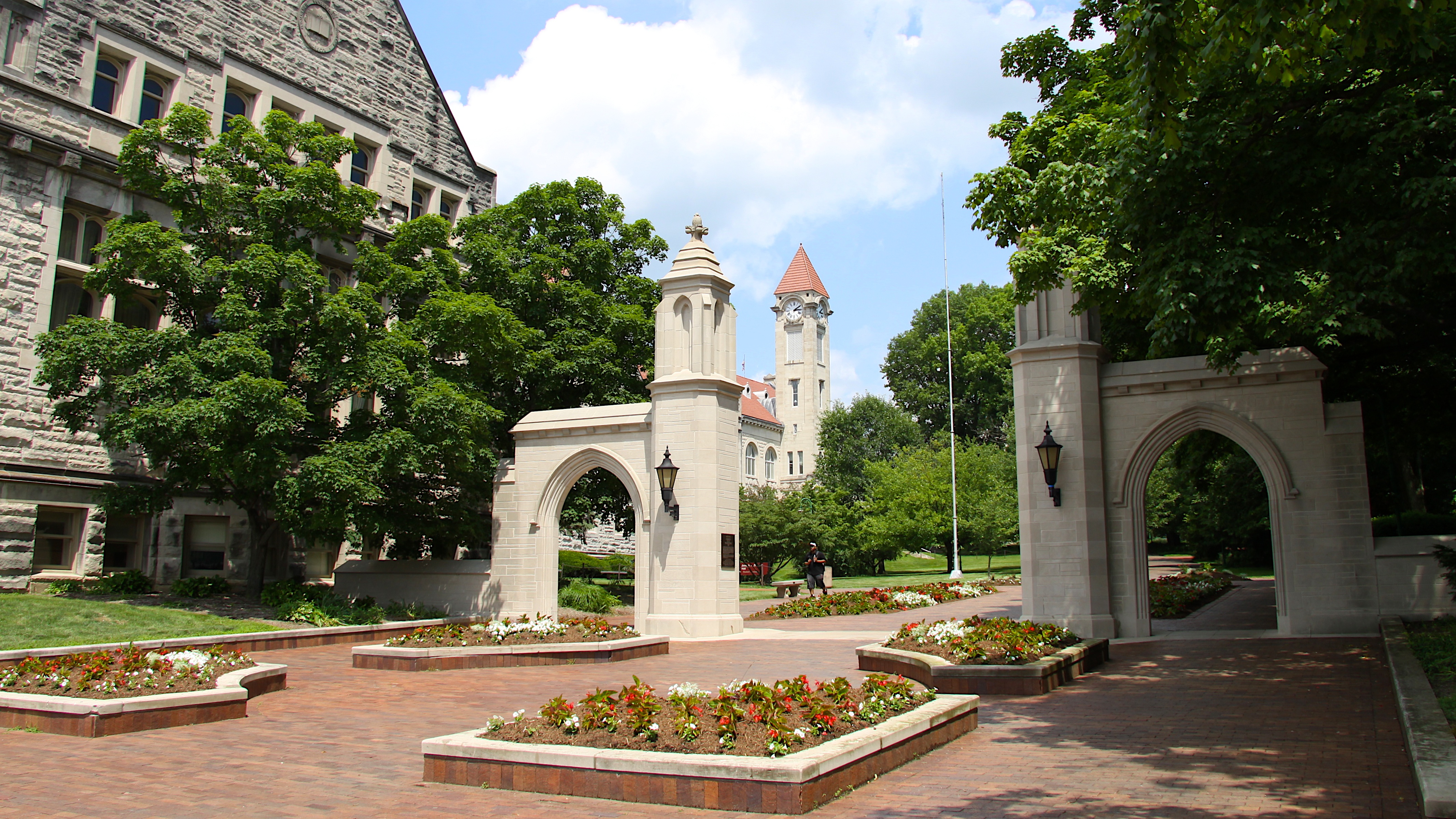
A veiled figure called the Woman in Black first walked into the student newspaper at Indiana University Bloomington in 1911. She has never once dropped the veil since. It's also the one campus that keeps its ghosts in a filing cabinet.
At Indiana University Bloomington, the oldest ghost on campus is a woman in a black veil who walks along Third Street and won't let anyone see her face. The story goes that she keeps to the trees, and when a passerby looks again, she has disappeared completely. The student newspaper printed her in 1911, under the headline "Woman in Black Roams and Scares Students." More than a century of sightings later, the veil has never once dropped.
What sets this campus apart from every other haunted place is that it doesn't just whisper its ghosts. It files them.
Indiana was where the discipline of American folklore got built. Richard Dorson, the man called the father of American folklore, founded IU's Folklore Institute here in 1963 and coined the word "fakelore" for the fake stuff. After him came Linda Dégh, a Distinguished Professor who spent decades gathering supernatural stories from 90 of Indiana's 92 counties — haunted houses, cemeteries, roads, bridges, churches. Her collection sits in the university libraries now, processed and shelved, an actual archive of the state's ghosts. So the campus stories aren't only told. They're catalogued, taught, and walked on the student-led Ghost Walk that's run every fall since 2001.
Some of what they catalogue is hard to sit with. Owen Hall, the oldest building on campus, once stored cadavers up on the third floor, raised by a dumbwaiter — and the story goes that limbs were sometimes severed when a body caught in the machinery. The legend that grew out of it is the one the Ghost Walk still tells: a severed arm placed in a student's room as a prank, and the student found later gnawing on it, driven out of her mind. No name was ever recorded, no date, no news account. It's legend, not history, and the folklorists who teach it will tell you so.
The Indiana Memorial Union keeps a quieter set. The ghosts there are described as young and playful — they tap a shoulder, make a faint laughing noise, and run when you glimpse them. People report the sound of dog paws prancing across the floors, a ghost dog that no story explains. But one account from the Union's activities tower runs darker: a maintenance worker said a shadowy figure loomed over his shoulder, and with it came a soft voice that "sounded like chanting."
Which is the strange thing about haunted IU. This is the one campus that wrote its ghosts down, studied them, built a science around them. And after all that, the woman on Third Street is still walking with her face covered, and no one in a hundred years and a full archive has managed to see who she is.