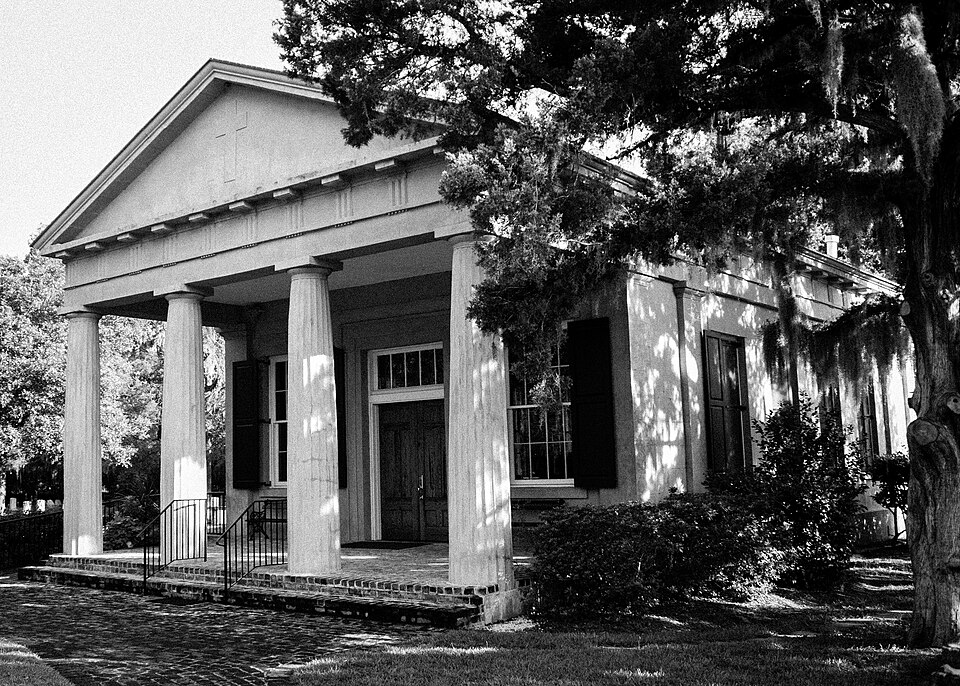
At All Saints Cemetery in Pawleys Island, South Carolina, the most-visited grave on the coast is a flat stone marked only ALICE. Strangers leave rings on it for a girl dead since 1849. A historian who read the church records found she may not be buried there at all.
At All Saints Cemetery in Pawleys Island, South Carolina, one grave draws ghost-tour groups through the gates every weekend, and it's the plainest one in the yard: a flat marble slab under the live oaks, cut with a single word. ALICE. No surname, no dates, no epitaph. They come to leave rings on it for a girl who died in 1849.
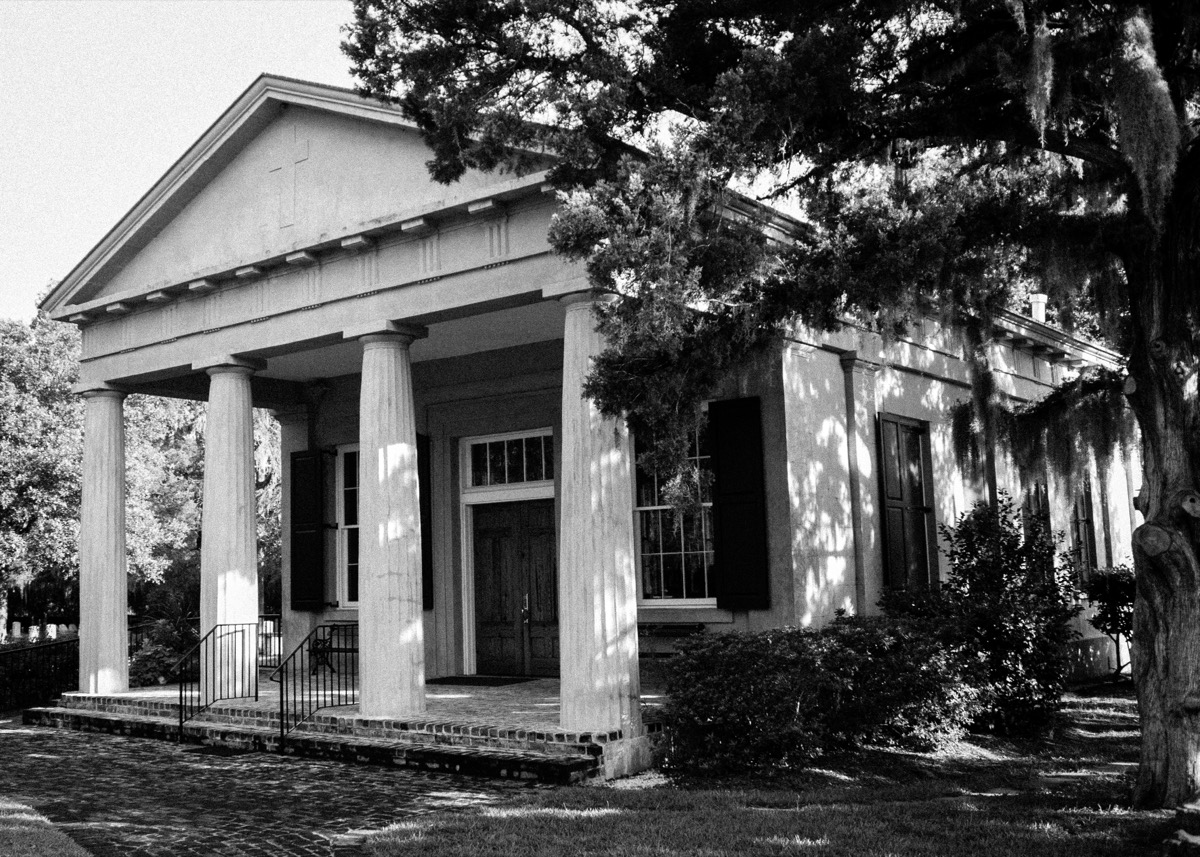
The cemetery dates to the 1820s and holds Georgetown County's antebellum rice-planter aristocracy beneath elaborate marble, described as a collection of outstanding gravestone art from about 1820 to 1900. Alice's low, nearly blank slab is the one they keep coming back to.
They come for Alice Belin Flagg, dead at about 15 or 16, sister of Dr. Allard Belin Flagg, the physician who became head of the family after their father died. In every version of the story, he's the reason she can't rest. Alice had fallen for a lumberman the family thought beneath them, and her brother sent her to a boarding school in Charleston to break it off.
She kept the man's gold engagement ring anyway, hidden on a ribbon around her neck. When her brother found it, he tore it off and threw it away, into the marsh by most accounts. Not long after, Alice took a fever in Charleston. She was carried home to the family plantation to die, and was buried here under a stone that gives only her first name.
So people bring her rings. Coins, ribbons, flowers, and stranger things: glow bracelets, cans of beans that appear and vanish over the seasons. Some women say they feel a tug on their own wedding rings standing over the slab, as if she's reaching for the one she was denied. The story says you can call her by walking backward around the grave and saying her name, but when two Carolina writers tried it and waited, what they reported back was short and flat: "Nothing happened."
And she may not be here at all. A historian named Catherine Lewis went through the church records and found the real Alice Flagg was most likely buried miles away, in an unmarked grave at a Methodist cemetery in Murrells Inlet. The records call the ALICE stone commemorative, possibly set for a different Alice Flagg, a little girl who drowned in the hurricane of 1893. The most-visited grave on the Waccamaw Neck may hold no one at all. The rings keep arriving anyway.