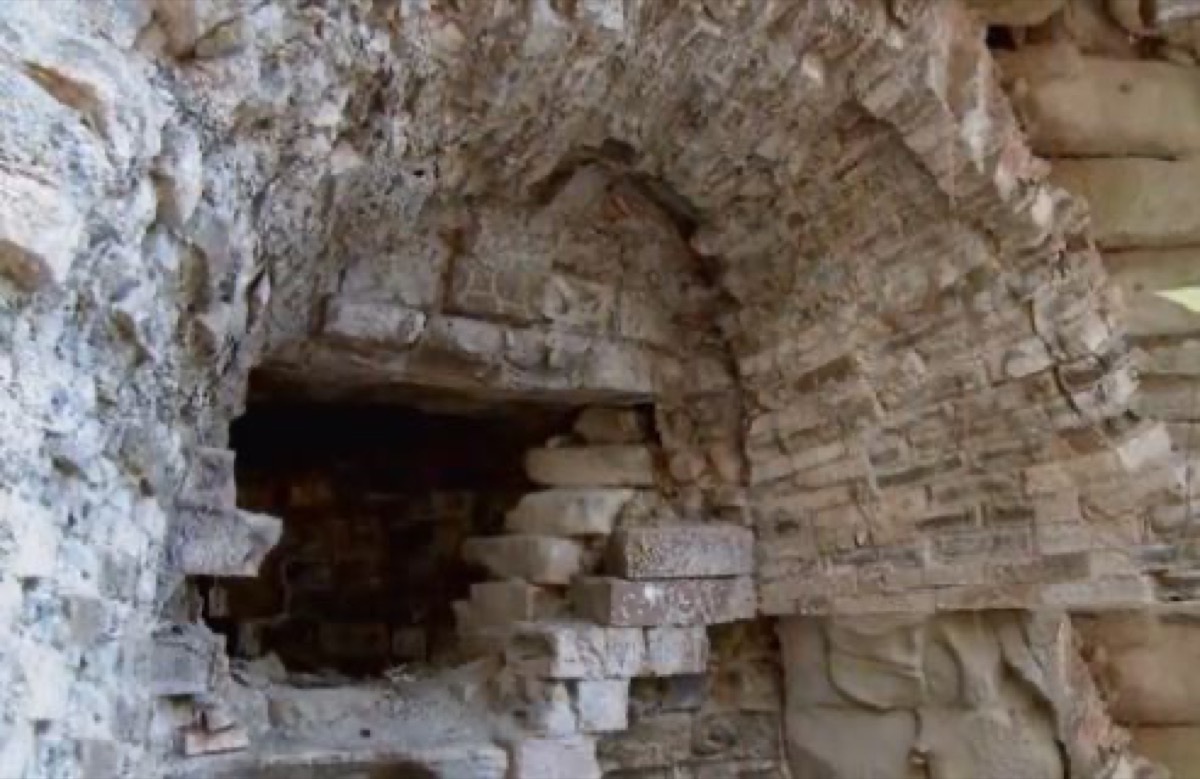
Above the Green River in Muhlenberg County, Kentucky stand the ruins of the Airdrie iron furnace, a Scottish lord's failed fortune. Locals tell of chains across the stone steps, a prisoner thrown alive into the furnace, and a headless woman on the hillside.
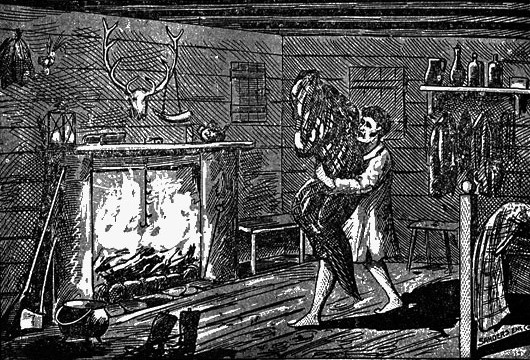
The Airdrie iron furnace stands in ruins above the Green River in Muhlenberg County, Kentucky, near the vanished town of Paradise, and the story locals tell about it starts with a prisoner thrown alive into the fire. They say his screams still come up out of the stone on quiet nights. Two other ghosts share the hillside with him: chains, in one version, dragging across the stone steps, and a headless woman pacing the slope.
The real history is stranger than the lore, and it explains all three.
In 1855, a Scottish-descended industrialist named Robert Alexander sank a fortune into building one of the largest iron furnaces in the world on this hillside. Figures run from more than $300,000 to around $360,000. He bought roughly 17,000 acres, brought over 200 people and a Cornish steam engine from Scotland, and named the town Airdrie after his family's home there. The stone smokestack still stands more than 55 feet over the woods. The Kentucky historical marker records what came of all of it: the furnace "never produced any salable iron."
It failed three times. The first attempt blew a boiler. The second wrecked in an engine-house accident. The third broke the shaft on the steam engine's flywheel, and Alexander gave up. The Scottish workers had insisted on raw coal, their traditional method, and ignored local advice to use charcoal for the Muhlenberg ore. Out of it came a saying people still quote: "You can always tell a Scotsman, but you can't tell him much." Alexander moved on to central Kentucky and built Woodburn Stud, the leading Thoroughbred farm in the country; the family's Airdrie name later resurfaced on a modern stud farm sitting on those same lands.
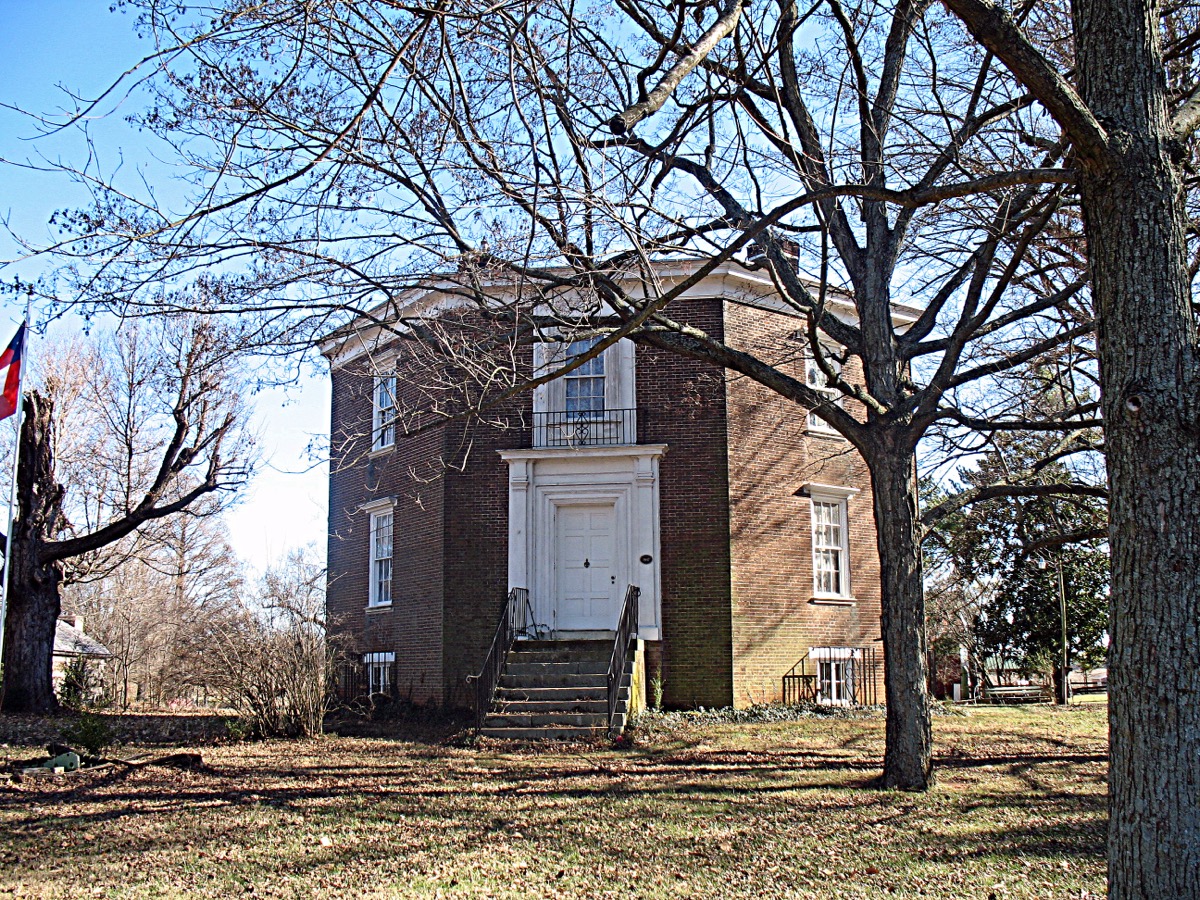
The convicts came later. Around 1884, the state needed stone to enlarge the Eddyville penitentiary and sent about fifteen prisoners to quarry Airdrie Hill, shipping them up the Green River and housing them in the Stone House, a three-story sandstone building with walls over three feet thick that one historian likened to a deteriorating medieval castle. They stayed only a few weeks before General Lyon found better stone nearer Eddyville.
That brief, real episode is where the chains and the burning prisoner come from. The headless woman traces to a murder said to have happened in the old hotel, now gone. John Prine, who grew up tied to Muhlenberg County, worked the place into his song "Paradise," recalling "an abandoned prison" at Airdrie Hill. What he remembered as a prison was the failed furnace.
The local author who recorded all three legends added one plain line underneath them: "in truth, no one was ever killed in or near the hotel."